
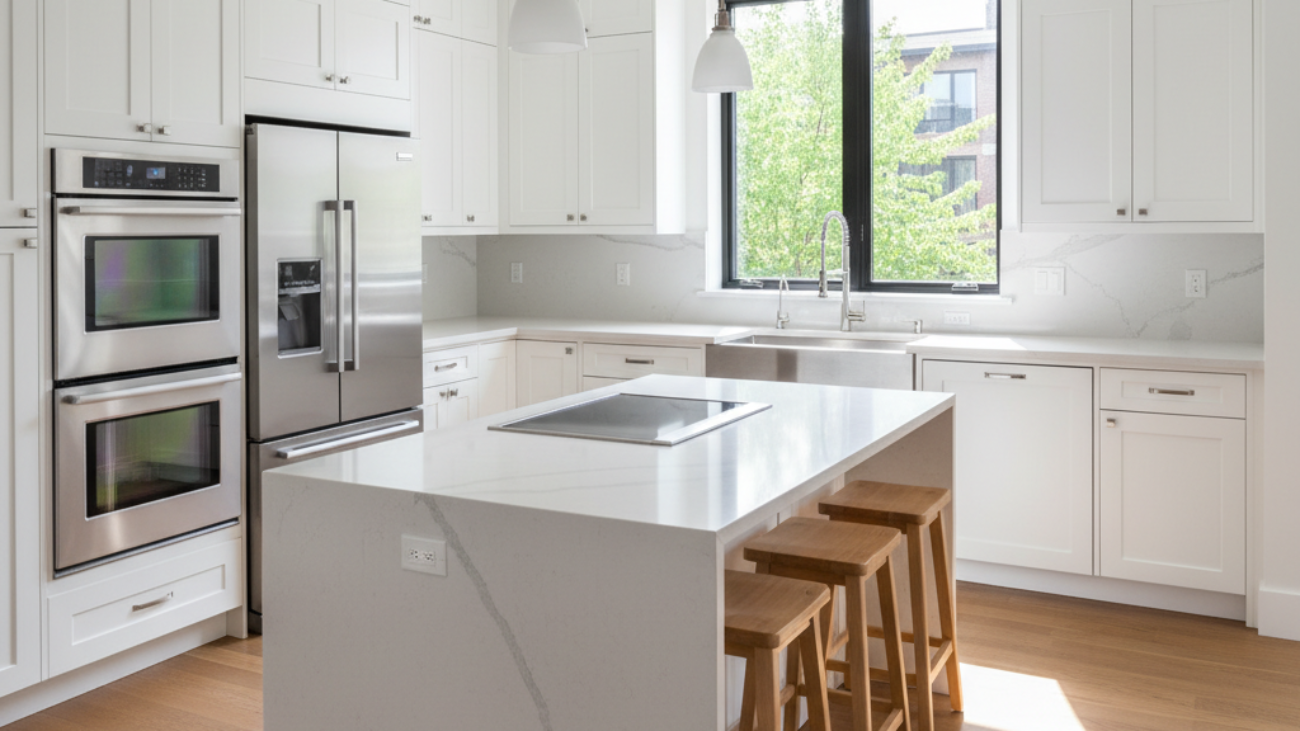
Professional kitchen cabinet painting is a specialized refinishing process that delivers a factory-smooth finish on existing doors, drawers, and boxes. It uses pro-grade prep, primers, and sprayed topcoats for durable, uniform color. For York and Toronto homes near 2710 St Clair Ave W, it’s the fastest way to refresh a kitchen without full replacement.
By Masoud Kakar — Paint2decor INC
Last updated: 2026-05-16
Above-the-Fold Overview
If you want a like-new kitchen fast, professional cabinet painting delivers a factory-style sprayed finish in about a week, with minimal disruption. It combines meticulous surface prep, bonded primers, and durable topcoats to transform color and sheen while keeping your existing layout and boxes intact.
This guide explains exactly how professional kitchen cabinet painting works, when it’s the right choice, and how Paint2decor INC approaches projects across York and the Toronto metro.
- What professional cabinet painting is (and isn’t)
- How the process flows from quote to final cure
- Finish systems, durability, and care
- Painting vs. refinishing vs. refacing
- Local tips for York homes and Toronto condos
- Actionable checklists and a mid-project readiness plan
Quick Summary
Professional cabinet painting refreshes kitchens by spraying a premium coating over well-prepped wood or laminate, preserving boxes and hardware layout. Expect a multi-day sequence: degrease, sand, prime, fill, sand, spray two topcoats, and cure. The result is a smooth, durable finish that resists everyday kitchen wear.
- Best for solid boxes and doors with outdated color or sheen.
- Works on oak, maple, MDF, and many laminates with the right system.
- Typical pro workflow completes in about 5–7 days including cure time.
- Choose satin or matte for a modern look with easy cleaning.
- Plan for a short kitchen downtime and light masking of adjacent areas.
What Is Professional Kitchen Cabinet Painting?
Professional kitchen cabinet painting is a surface renewal system that keeps your existing cabinet boxes and doors, then applies a factory-style sprayed finish after expert prep. It’s ideal when layout is fine, boxes are sound, and you want a modern color without a full renovation.
At Paint2decor INC, we focus on kitchens and bathrooms across the GTA. Our team upgrades cabinet surfaces with bonded primers and sprayed coatings designed for heavy-use areas. You keep the layout you love; we update the color, sheen, and feel.
How it differs from other options
- Painting: Color and sheen change on existing doors/boxes via spray-applied coatings.
- Refinishing: Often includes stain or clear finishes that show wood grain; can include toners or pigments.
- Refacing: Replaces door and drawer fronts (and applies new skins to face frames) while keeping cabinet boxes.
Many Toronto homeowners choose painting when boxes are solid and they want a fast style refresh. When doors are damaged or a profile change is desired, refacing is a better fit. If you love visible grain, refinishing or restaining is the route.
Why Professional Cabinet Painting Matters
Cabinet painting matters because it delivers a dramatic aesthetic upgrade with less disruption than replacement. With proper prep and pro coatings, you get a tough, washable finish that stands up to daily cooking, cleaning, and sunlight—extending the life of your existing cabinetry.
- Speed vs. replacement: Most pro projects wrap in roughly a week, while replacements can take weeks for fabrication and install.
- Less disruption: Doors and drawers are removed and sprayed offsite or in a controlled booth; your kitchen stays partially usable.
- Sustainability: Reusing boxes reduces waste. For many homes, that’s dozens of cubic feet diverted from landfill.
- Design flexibility: Shift from honey oak to satin white, or from dated maple to modern greige—without reconfiguring space.
In our experience serving York and the wider Toronto area, most homeowners value a smooth, consistent finish and a predictable timeline. That combination is exactly what a professional, sprayed system provides.
How the Professional Process Works (Step by Step)
A proven workflow drives results: in-home assessment, labeling and offsite removal, degrease and sand, prime and fill, spray finish coats, reinstall, and final cure. Containment, ventilation, and dust control ensure your home stays clean while finishes harden to full strength.
- In-home assessment: We review door counts, substrate (oak, maple, MDF, laminate), and discuss colors and sheen.
- Set-up and labeling: Doors and drawers are numbered, hardware is bagged, and protection/masking is installed.
- Degrease + sand: Kitchens accumulate oils; thorough cleaning and sanding maximize adhesion on every surface.
- Bonding primer: A high-adhesion primer locks to wood or laminate and creates a uniform base.
- Filling + caulking: Dings, open joints, and grain are addressed so the final coat lays glass-smooth.
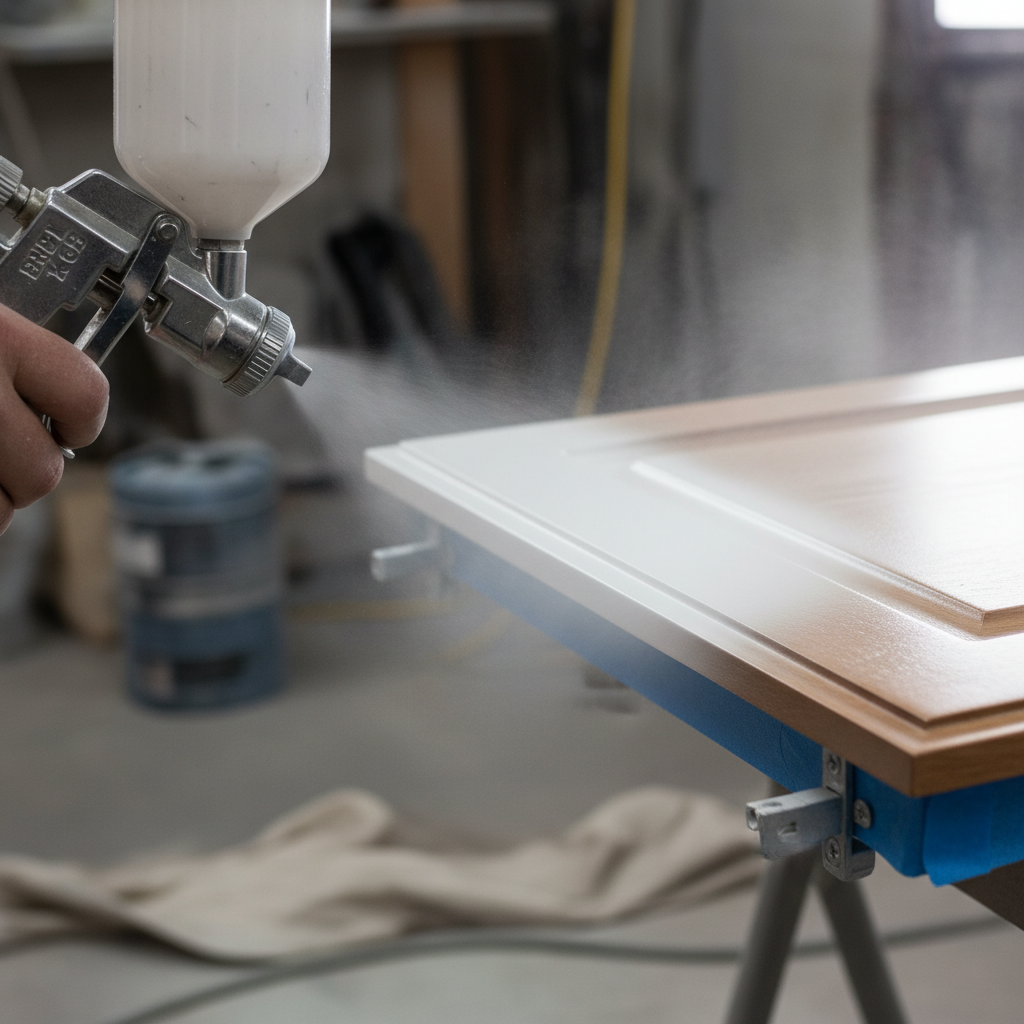
- Finish spraying: Doors and drawers are sprayed in a booth; frames are sprayed onsite with proper containment.
- Reassembly: Doors, drawers, and hardware return to the kitchen; reveals and alignment are fine-tuned.
- Cure + handoff: Light use is often OK after 24–48 hours; full cure typically follows within several days depending on product.
We maintain clean zones, negative air where required, and consistent labeling to keep components organized. That discipline shows in the final fit and feel.
Local considerations for York
- Schedule around school-year routines and Toronto winters; spray curing prefers stable indoor temperatures.
- For projects near Smythe Park or the Jane St at St Clair Ave West transit stop, we coordinate staging and parking to keep timelines tight.
- High-rise condos in the Toronto core may require elevator bookings and quiet hours—build these into your plan.
Finishes, Materials, and Sheens You’ll Choose
Expect to select a system built for kitchens: a bonding primer plus two spray topcoats in satin or matte. Waterborne enamel and polyurethane-alkyd hybrids are common choices, balancing hardness, flexibility, and low odor for occupied homes.
Coating systems we use
- High-adhesion primers: Designed to grip slick factory finishes and minimize tannin bleed or grain telegraphing.
- Waterborne enamel topcoats: Durable, washable, and low odor—ideal for homes that remain occupied during work.
- Hybrid or catalyzed systems: For extra toughness on high-touch doors and busy family kitchens.
Popular sheens and colors in Toronto
- Satin: Our most-requested sheen—balanced glow, easy cleaning, hides small imperfections well.
- Matte: Contemporary feel with lower reflectivity; plan for gentle cleaning methods.
- Color trends: Crisp whites, warm greige, and deep navy islands are frequent picks in 2026 Toronto homes.
For inspiration and deeper DIY context on the process, see this overview on how to paint kitchen cabinets. We bring the pro-grade booth, tools, and discipline that make those results repeatable.
Painting vs. Refinishing vs. Refacing
Choose painting when boxes are sound and you want a fast color upgrade. Choose refinishing to highlight wood grain. Choose refacing to change door style profiles or fix widespread door damage while keeping boxes.
| Option | What changes | Kitchen downtime | Ideal when… |
|---|---|---|---|
| Painting (Pro Sprayed) | Color + sheen on existing doors/boxes | Short (about a week) | Layout works; doors are sound; fast refresh desired |
| Refinishing | New stain/clear; visible grain | Moderate | You want natural wood character or a darker stain |
| Refacing | New doors/drawer fronts + skins | Moderate | Profile change or many doors need replacement |
If you’re leaning toward a full style change, explore our cabinet refacing options in Toronto. If your doors are solid and you like your profiles, our kitchen cabinet painting service is often the simplest route.
Best Practices for Flawless Results
Flawless finishes come from discipline: deep degreasing, mechanical scuffing, dust control, quality primers, and sprayed topcoats in a controlled environment. Labeling and reassembly checks ensure perfect alignment, soft-close performance, and consistent reveals.
Prep that pays off
- Degrease twice in cook zones; residue undermines adhesion.
- Scuff-sand uniformly to promote mechanical bond and flatten nibs.
- Prime for the substrate (oak vs. maple vs. MDF vs. laminate).
- Fill + caulk seams and handle dings before finish coats.
- Control dust with extraction and clean-room habits.
Spray technique and environment
- HVLP guns for a fine atomized fan and thin, even passes.
- Cross-hatch coats reduce striping and improve uniformity.
- Temperature + humidity kept within product specs; stable cure equals lasting durability.
We detail these methods in our broader service explainer for cabinet refinishing in Toronto, which pairs well when you want stain or clear finishes instead of paint.
Tools, Workspace, and Homeowner Resources
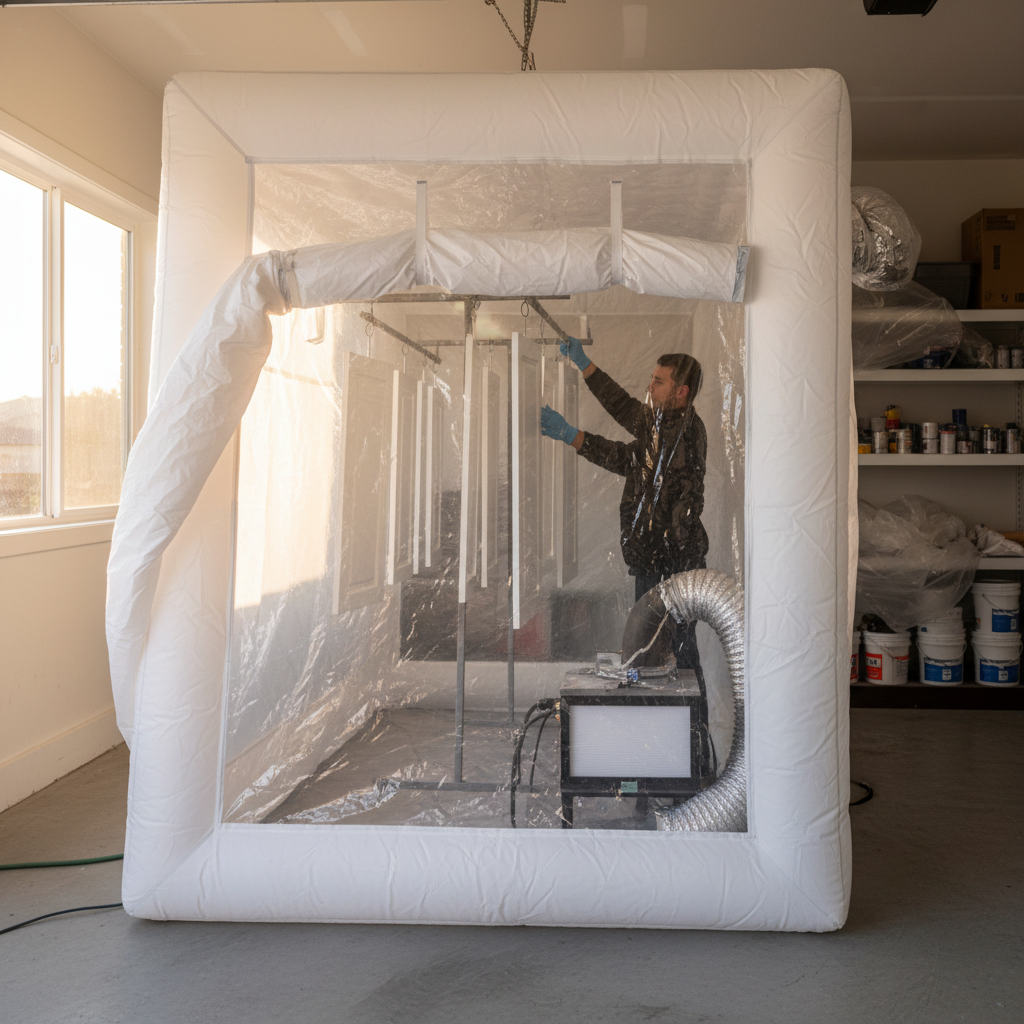
Expect a clean, controlled setup: mobile spray booth or shop booth for doors, masked kitchen frames, labeled hardware, and clear daily updates. Homeowners receive simple checklists to clear counters, empty select drawers, and plan light meal alternatives during brief downtime.
- Pro equipment: HVLP sprayers, extraction, tack cloths, and accurate mix ratios.
- Workspace: Racks and drying space for dozens of doors per day.
- Communication: Daily milestones and photo updates until reassembly.
- Homeowner readiness: Pack seldom-used items and label pantry bins to speed reentry.
For maintenance perspective post-project, review these practical cabinet care tips. We’ll share a tailored care plan at handoff so your finish looks great for years.
Style and Design Decisions (Profiles, Hardware, Islands)
Painting updates color and sheen; design upgrades often include new hardware, soft-close adjustments, and an accent island. If you want a different door profile altogether, refacing pairs perfectly with a painted finish for a cohesive “new kitchen” feel.
- Door profiles: Shaker remains popular; raised panel works well in heritage homes.
- Hardware: Brushed brass, matte black, or polished nickel refresh the look without major changes.
- Accents: Deep navy or charcoal islands anchor bright perimeter cabinets.
If you’re debating door styles, this overview of standard vs. custom cabinet doors can help frame the choice. When you’re ready to update color only, our Toronto cabinet painting team makes selection and sampling straightforward.
Surface Compatibility: Oak, Maple, MDF, and Laminate
With the correct primers and prep, most common substrates—oak, maple, MDF, and many laminates—accept a durable sprayed finish. Oak’s open grain benefits from grain-filling and sanding; maple and MDF level to a smooth, modern look with fewer steps.
- Oak: Grain telegraphing is normal; extra filling delivers a flatter, modern aesthetic.
- Maple: Ideal for ultra-smooth paint; dense grain sands clean.
- MDF: Stable and smooth; edges need sealing to prevent fuzzing.
- Laminate: Requires aggressive clean + prime to ensure reliable adhesion.
See how we transform dated wood tones in our guide to updating oak cabinets. Prefer stain? Our refinishing path keeps the wood character visible.
Timeline, Kitchen Readiness, and Living Through the Upgrade
Most projects follow a predictable rhythm: day 1 prep and removal, days 2–4 prime and spray, day 5 reinstall, followed by curing. Plan simple meals, cover small appliances, and create a temporary pantry zone to glide through the short downtime.
- Clear a staging area for labeled doors and hardware bins.
- Protect pets and kids from active work zones with gates or temporary room plans.
- Ventilation keeps odors minimal; low-odor, waterborne systems help maintain indoor comfort.
Want more on our end-to-end approach? Read our Toronto-focused kitchen cabinet painting process and how it fits into broader refacing or refinishing decisions.
Investment Factors (No Pricing)
Several factors shape the scope of a professional painting project: kitchen size, door style and condition, prep complexity, desired finish system, and any add-ons like hardware swaps or soft-close upgrades. A thorough site review aligns expectations and timelines—no price talk needed here.
- Door and drawer count: More components mean more prep, prime, and spray cycles.
- Substrate condition: Dents, open joints, or heavy grain require extra filling and sanding.
- Finish system: Standard waterborne enamel vs. hybrid/catalyzed for extra toughness.
- Add-ons: Hardware replacement, hinge adjustments, soft-close retrofits, or island accents.
- Access + logistics: High-rise bookings, parking, or special containment needs.
When you’re ready to scope your project, our team shares a clear, step-based plan. If you’re comparing pathways, this overview of refacing in Toronto shows how style changes fit alongside painting.
Maintenance and Longevity
A pro-painted finish is built for daily life. Clean with non-abrasive soaps, avoid harsh chemicals, and protect high-wear edges from impacts. With normal care, the finish keeps its color and sheen for years while resisting common kitchen stains.
- Cleaning: Microfiber cloths and mild soap; avoid scouring pads or solvent cleaners.
- Hardware checks: Tighten handles periodically and add felt bumpers to doors if needed.
- Touch-ups: Keep a labeled sample for tiny nicks; call us for larger blend-ins.
For DIY upkeep strategies, this primer on cabinet painting basics offers general tips. We’ll provide a finish-specific care sheet at project closeout so you know exactly what to use—and what to avoid.
Mini Case Examples from York and Toronto
Real kitchens show the range: from honey oak to satin white in a week, to a Toronto condo with MDF slab doors refreshed in greige, to a family home where refacing new Shaker doors paired with a sprayed finish delivered a “new kitchen” feel without moving walls.
- York bungalow refresh: Classic oak doors grain-filled and sprayed satin white. New matte black pulls and a charcoal island created a bright, timeless space.
- Toronto condo upgrade: MDF slab doors sprayed warm greige; frames masked and sprayed onsite. Downtime was minimal thanks to condo scheduling coordination.
- Maple-to-modern: Golden maple doors scuff-sanded, primed, and sprayed soft white. Soft-close hinges and updated pulls finished the transformation.
- Refacing + painting combo: Box integrity was great but profiles were dated. New Shaker doors (refacing) sprayed to match frames turned a 2000s kitchen into 2026 modern.
Considering a layout change or door profile swap? Compare our refacing guide to painting so you can pick the best-fit path.
Frequently Asked Questions
Homeowners ask about timelines, durability, odors, and what can (and can’t) be painted. Here are concise answers to the most common questions we receive in York and across the Toronto metro.
How long does professional kitchen cabinet painting take?
Most projects wrap in about a week from prep to reinstall, with a few additional days for full cure. Door count, substrate condition, and condo logistics can shift the timeline. We share a day-by-day schedule before work begins so you can plan meals and access.
Will the finish look like factory paint?
Yes—when sprayed in controlled conditions using pro-grade primers and topcoats, the result is a smooth, uniform finish comparable to factory cabinetry. Prep and dust control are critical. We grain-fill oak when a flatter, modern look is desired.
Can you paint oak, maple, MDF, or laminate cabinets?
Yes. Oak benefits from extra filling to reduce visible grain; maple and MDF deliver very smooth results; many laminates can be painted with aggressive cleaning and a bonding primer. We assess substrate type during the in-home review and tailor the system.
Is there a strong paint smell?
We use low-odor, waterborne systems for occupied homes and maintain ventilation to keep air fresh. Odor is typically light and fades quickly as coatings flash off. You can usually access parts of the kitchen during the project with simple planning.
Key Takeaways
Professional kitchen cabinet painting gives you a fast, durable style reset by preserving sound boxes and applying a factory-grade sprayed finish. With clear prep, controlled spraying, and a brief cure, most Toronto kitchens feel brand new—without the complexity of a full renovation.
- Best fit when layout works and doors are in good condition.
- Choose satin or matte for modern, easy-to-clean results.
- Expect a structured, multi-day workflow with minimal disruption.
- Pair with refacing if you want a new door profile.
Request a no-obligation walkthrough with Paint2decor INC. We’ll review substrates, show samples, and map a day-by-day plan tailored to your York or Toronto home.
Start with our cabinet painting service page and tell us about your kitchen.
Related Cabinet Topics to Explore
If you’re comparing your options, explore topics like refacing for new door styles, refinishing for natural wood grain, and targeted updates for oak or maple. Each path serves a different design goal while preserving what already works in your kitchen.
- When to choose refacing over painting
- Stain and clear-coat refinishing for visible grain
- Strategies for updating oak cabinets to a modern look