
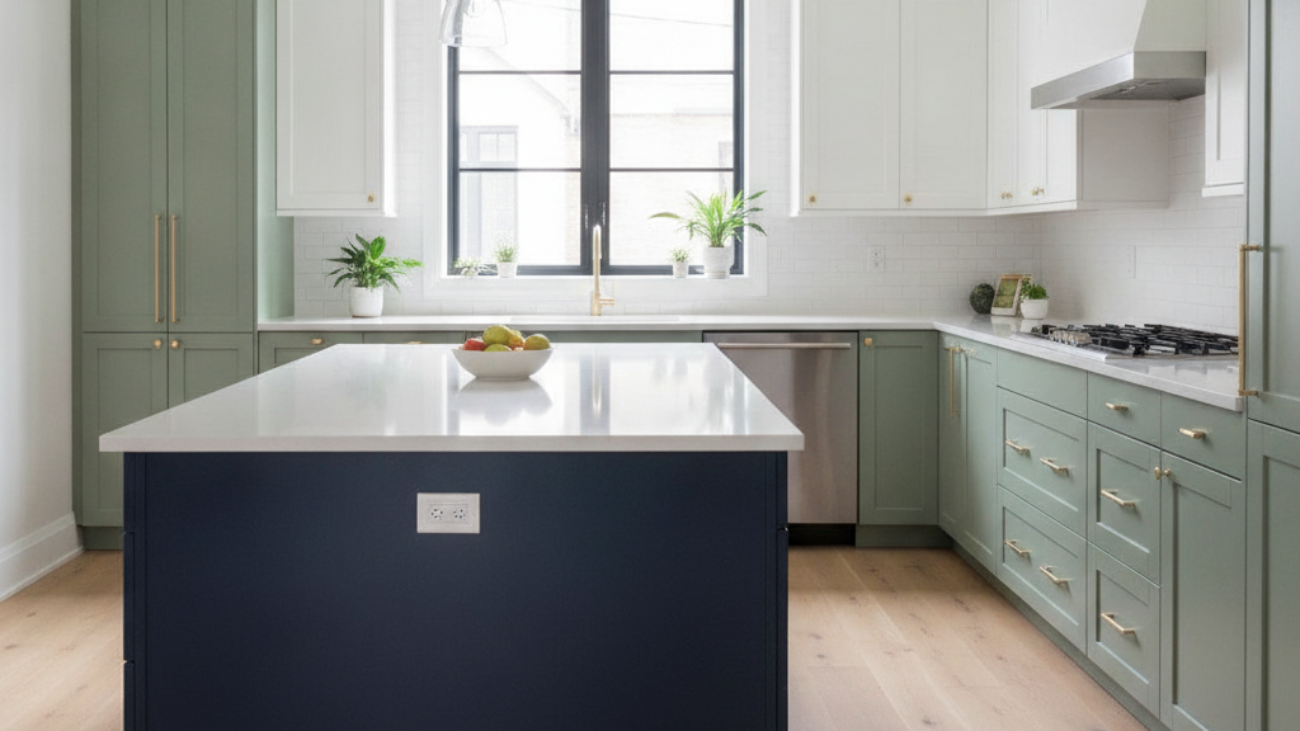
Colored kitchen cabinets are painted or refinished cabinet boxes and doors in hues beyond standard wood tones to create contrast, warmth, and visual interest. In York homes, they refresh dated kitchens without full replacement and align with Paint2decor INC’s refinishing, refacing, and spray-painting services. The result is a faster makeover with modern color, durable finishes, and a space you’ll love.
By Paint2decor INC • Last updated: 2026-06-30
Above-the-Fold Overview & Table of Contents
This complete guide explains how to choose and care for colored kitchen cabinets in 2026. You’ll learn what they are, why they matter, step-by-step pro refinishing, color strategies that work in York homes, durability tips, and real examples from Paint2decor INC. Use the quick Table of Contents to jump to any section.
Many York homeowners want a bold, modern kitchen without the disruption of a gut-renovation. This guide shows how our cabinet refinishing, refacing, and spray-painting services deliver fresh, lasting color with minimal downtime.
- What are colored kitchen cabinets?
- Why they matter in 2026
- How professional refinishing works
- Color approaches that work
- Best practices for durability
- Tools and resources
- Case studies and York insights
- Maintenance and care
- Frequently asked questions
- Key takeaways
- Conclusion and next steps
Quick Summary
Colored cabinets update your kitchen fast by refinishing or refacing existing boxes and doors in on-trend hues. The smartest picks in 2026 are versatile mid-tones, nature-inspired greens, and soft off-whites, delivered with pro-grade spray finishes. Expect smoother surfaces, tougher coatings, and designs tailored to York homes.
Here’s the big picture in one glance: target long-wearing coatings, plan lighting with color, and choose a finish sheen that matches your lifestyle. When in doubt, two-tone looks (e.g., rich island + light perimeter) balance personality with resale confidence.
What Are Colored Kitchen Cabinets?
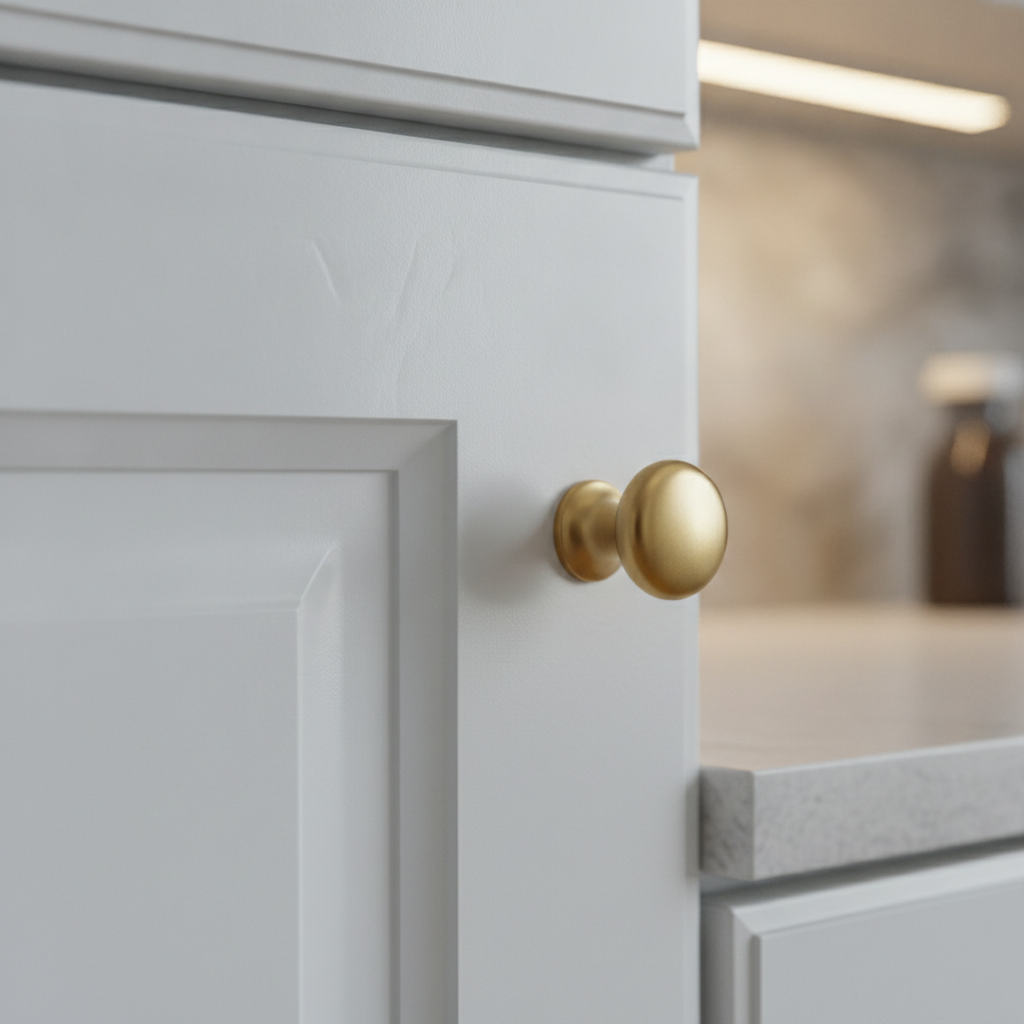
Colored kitchen cabinets are existing cabinet boxes and doors professionally painted or refinished in a chosen hue to change the room’s mood, contrast, and style. The process preserves your layout while upgrading finish quality, often via spray application for a factory-smooth look.
In practice, “colored” simply means your cabinetry becomes part of the design palette, not a background. Think sage lowers with white uppers, a navy island with brass hardware, or a warm greige that softens strong daylight. Because we retain your cabinet structure, most projects move far faster than replacements.
- Refinishing vs painting: Refinishing includes prep, repair, priming, and multi-coat spray systems; painting is the color step. Both aim for a smooth, durable film.
- Refacing option: When doors are dated or damaged, we swap them for new styles and finish them in your chosen color, keeping existing boxes.
- When to consider: Solid boxes, good layout, and a desire for color-driven impact without remodeling chaos.
For a deeper dive into keeping layout and structure while changing the look, see our kitchen cabinet refinishing guide crafted for Toronto-area homeowners.
Why Colored Cabinets Matter in 2026
In 2026, colored cabinets matter because they deliver identity and warmth without replacing cabinetry. Thoughtful hues improve perceived space, hide wear, and harmonize with lighting. For York homes, they offer a renovation alternative that fits busy schedules and modern style preferences.
Color drives first impressions. It shapes how big a kitchen feels, how clean it reads, and how your counters and floors appear. The right palette can make older maple feel current, tie open-plan spaces together, and highlight architectural features like a paneled range hood.
- Faster transformation: Refinishing or refacing focuses on visible surfaces and doors, cutting disruption compared to full replacements.
- Design leverage: Two-tone schemes add depth; deeper islands ground airy rooms; off-whites bounce light in condos with limited windows.
- Finish tech: Pro spray systems create a fine, consistent film that resists everyday scuffs better than brush-only approaches.
We see York clients choosing nature-inspired greens, grounded blues, and modern off-whites to align with light wood floors and matte black or brass hardware. For inspiration beyond bolder choices, our cream cabinets pairing tips show how soft neutrals keep spaces bright while warming the palette.
How Professional Cabinet Refinishing Works (Step-by-Step)
Professional cabinet refinishing uses controlled prep, priming, and spray application to convert existing doors and boxes into smooth, colored finishes. The process includes labeling, off-site door spraying, on-site box finishing, and careful reassembly—designed to be efficient for occupied York homes.
While every kitchen is unique, our projects follow a predictable rhythm that limits downtime and keeps surfaces consistent from shop to site.
- Assessment: We evaluate door style, substrate (maple, oak, MDF), prior coatings, and minor repairs.
- Label & remove: Doors and drawers are numbered; hardware is bagged for reinstallation or upgrade.
- Shop prep: Degrease, scuff-sand, fill imperfections, and prime to promote adhesion and block stains.
- Spray finish (doors): Multi-thin coats in a controlled environment for an ultra-smooth film.
- On-site box prep: Masking, ventilation, and dust control; then prime and spray exposed frames and panels.
- Cure & reassemble: Proper dry times, careful handling, hardware reinstalled, final alignment.
| Approach | What Changes | Typical Timeline | Best When |
|---|---|---|---|
| Refinishing | Existing doors/boxes recolored | Several days | Boxes are solid; you want color + sheen upgrade |
| Refacing | New doors/drawers + fresh finish | About a week or more | Doors are dated or damaged; layout stays |
| Replacement | All new cabinetry | Weeks to months | Layout changes or structural issues |
Want a refresher on spray-specific advantages? Our cabinet respraying guide explains why controlled, thin coats outlast thick, brush-only paint jobs in busy kitchens.
Color Approaches That Work in York Kitchens
The most reliable color approaches pair a grounded, darker island with lighter perimeter cabinets, or use nature-inspired mid-tone greens and blues across lowers. Soft off-whites and greiges keep rooms bright. These choices photograph beautifully and suit York’s lighting and floor trends.
Picking a palette is equal parts taste and context. We align hue, undertone, and sheen with counters, floors, backsplash, and natural light so the whole room feels intentional.
- Two-tone balance: Navy or charcoal islands with warm white uppers; forest or sage lowers with light oak accents.
- Nature-forward greens: Sage, eucalyptus, and olive feel calm and upscale—great with brass or matte black hardware.
- Modern off-whites: Creams and soft greiges reduce stark contrast while keeping rooms bright, especially in condos.
- Moodier statements: Deep blues and inky greens add drama in larger, well-lit kitchens.
- Hardware synergy: Brass warms greens; chrome pops with blues; matte black adds crisp contrast to creams.
For more palette ideas and pairings, our kitchen cabinet color trends article highlights combinations that have stayed strong into 2026.
Best Practices for Long-Lasting Colored Finishes
Longevity depends on disciplined prep, adhesion-promoting primers, pro-grade spray systems, and proper cure time. Pair the right sheen with your lifestyle, add soft-close hardware, and protect high-touch zones. Small daily habits—like gentle cleaners—preserve your finish for years.
Here’s how we engineer durability into every project—and how you can help your cabinets look new longer.
- Surface prep: Degrease thoroughly; scuff-sand to give coatings a “tooth”; fill dings and caulk seams for crisp lines.
- Priming strategy: Use stain-blocking and adhesion primers tailored to wood species or prior coatings.
- Spray application: HVLP/air-assisted systems lay down thin, even films that level out and resist brush marks.
- Cure windows: Respect dry/cure times between coats and after install before heavy use.
- Sheen selection: Satin hides prints yet cleans easily; semi-gloss reflects more light in darker palettes.
- Hardware upgrades: Soft-close hinges and wider pulls reduce finger contact and finish wear.
Practical tip: plan touch points. Where hands land most (trash pull-outs, fridge-side drawers) may benefit from slightly higher sheen or added finger rails to minimize smudging.
Tools, Materials, and Helpful Resources
Professional results come from controlled environments, HVLP sprayers, high-build primers, and tough topcoats. Masking systems, ventilation, and labeling ensure consistency. For homeowners researching process basics, selected third-party guides help visualize steps and planning considerations.
We combine shop spraying of doors with on-site finishing of boxes to balance quality control and speed. That mix allows a fine, consistent film while keeping your kitchen accessible.
- Equipment: HVLP or air-assisted airless sprayers, fine filters, moisture traps, and proper nozzles.
- Surface systems: Degreasers, sanding blocks, fillers, stain-blocking and adhesion primers, and durable topcoats.
- Environment controls: Dust management, masking tunnels, ventilation, and temperature/humidity checks.
To see general DIY steps and planning considerations, you can review this step-by-step cabinet painting overview. For before-and-after kitchen planning inspiration, this renovation gallery example can help you picture outcomes. Evaluating when to replace versus refresh? This general remodel vs. cabinet replacement walkthrough discusses tradeoffs at a high level.
Case Studies and Local Insights from York
York projects favor calming greens, soft whites, and navy islands that pair with light floors and warm metals. We refine undertones with in-home sampling and lighting checks. Results are consistent: smoother doors, tight lines, and a kitchen that feels intentional without major construction.
In our experience working across York, color choices track with natural light and adjacent living spaces. Two quick snapshots illustrate how we tailor the finish plan to the home.
- Family hub near Smythe Park: We refinished good-condition shaker doors in a soft sage with satin sheen, swapped hardware to brushed brass, and sprayed the hood to match. Daylight now bounces through the space; evening pendants feel warm, not stark.
- Condo by Jane St at St Clair Ave West: Limited natural light called for creamy uppers and a navy island. We used a slightly higher sheen on the trash pull-out for easier cleaning and aligned hardware lengths for symmetry.
Both projects kept boxes, changed only what mattered, and leaned on spray application for that crisp, factory-like finish York homeowners ask for.
Local considerations for York
- Test samples in both daylight and evening to see how color reads on cloudy days common near Smythe Park.
- Plan around seasonal humidity; schedule finishing phases to allow proper cure time during summer heat.
- For compact kitchens near Jane St at St Clair Ave West, choose lighter perimeter colors to visually expand space and keep aisles bright.
Maintenance and Care for Colored Cabinets
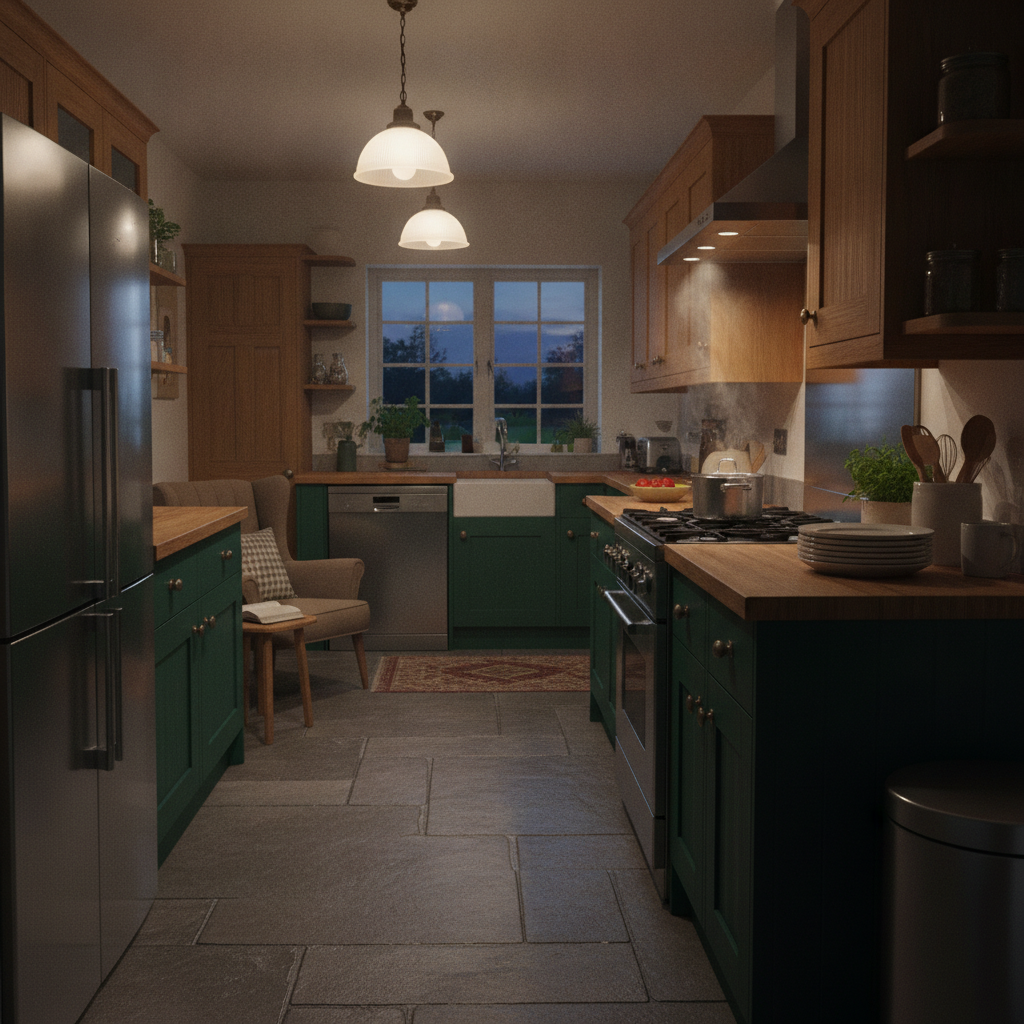
Keep colored cabinets looking new with gentle cleaners, microfiber cloths, and quick wipe-downs on high-touch areas. Avoid abrasives, hang door-mounted organizers properly, and address drips near sinks fast. Simple routines preserve sheen and color uniformity over time.
Daily habits matter more than anything. A few minutes each week keeps fingerprints, splatters, and dust from dulling that factory-smooth finish.
- Cleaning: Use mild soap and water or a gentle, non-abrasive cleaner; dry with microfiber to avoid streaks.
- Moisture control: Wipe spills near sinks and dishwashers; use a mat under the sink to catch drips.
- Hardware check: Tighten loose pulls; adjust soft-close hinges if doors drift.
- Touch-ups: Keep a labeled touch-up jar; apply sparingly after light sanding and cleaning.
- Protection: Add felt bumpers to doors meeting appliances or side panels.
If you’re planning a color refresh and want to compare options side-by-side, our painting your kitchen cabinets tutorial outlines helpful prep steps and expectations for finish quality.
How We Ensure Quality at Paint2decor INC
Our York teams combine shop spraying for doors with on-site finishing for boxes to balance precision and speed. We standardize labeling, surface prep, and spray settings, then verify sheen, color, and alignment during reassembly. The result: a consistent, smooth finish across the entire kitchen.
Quality is a system, not a single step. From sample boards to final hardware alignment, we close loops so small issues never become big ones.
- Sampling: In-home sample boards under your lighting confirm hue and sheen before we start.
- Process control: Checklists for prep, priming, and coat counts, with notes tailored to each substrate.
- Finish verification: Angle-light inspections catch nibs or holidays before reassembly.
- Final alignment: Adjust doors and drawer fronts for even reveals and smooth operation.
For a broad overview of makeover paths we provide, explore our kitchen cabinets makeover explainer and our focused respraying service guide to see where each option excels.
Frequently Asked Questions
These quick answers address the most common questions York homeowners ask about colored kitchen cabinets, from durability and sheen to choosing between refinishing and refacing. Each response is concise so you can act confidently and plan your next steps.
What colors work best in smaller York kitchens?
Lighter perimeters—soft whites, creams, and pale greiges—visually expand compact rooms. Pair them with a slightly darker island or warm wood accents for depth. Test samples under your evening lighting to confirm undertones before committing.
Is refinishing durable enough for a busy family kitchen?
Yes—when surfaces are properly prepped, primed, and sprayed in controlled coats, the film resists daily wear very well. Pair a satin sheen with soft-close hardware and clean gently to keep the finish looking new for years.
When is refacing better than refinishing?
Choose refacing when doors are dated or damaged but your boxes and layout are solid. You’ll get new door styles and a fresh sprayed color without the disruption of full replacement, and you can add features like soft-close at the same time.
What sheen should I choose for colored cabinets?
Satin is the most versatile—it hides fingerprints yet wipes clean. Semi-gloss adds reflectivity for darker hues or low-light rooms. Matte looks modern but shows scuffs faster in high-traffic kitchens, so use it thoughtfully.
Key Takeaways
Focus on color strategy, pro-grade spray finishing, and small daily habits. Two-tone palettes, nature-inspired mid-tones, and soft whites lead 2026 trends. With disciplined prep and the right sheen, colored kitchen cabinets stay beautiful and practical for busy York households.
- Color is a design tool—use it to shape light, mood, and perceived space.
- Refinishing or refacing upgrades look and feel without layout changes.
- Spray systems and cure discipline create smoother, tougher films.
- Satin is the safe default; adjust sheen to lighting and traffic.
- Test samples in your real lighting before you finalize.
Conclusion and Next Steps
Colored kitchen cabinets give you a faster, cleaner path to a modern kitchen. If your boxes are solid, refinishing or refacing delivers the color, sheen, and hardware updates you want—without months of disruption. A short consult aligns palette, finish, and schedule to your goals.
Here’s a simple path forward:
- Browse palettes and pairing ideas in our color trends overview.
- Skim our refinishing guide to see how projects flow in the GTA.
- Explore spray finishing benefits and decide on sheen.
Soft CTA: Want help picking a palette for your York home? Reach out through any article linked above and we’ll coordinate a quick, no-pressure color chat.