
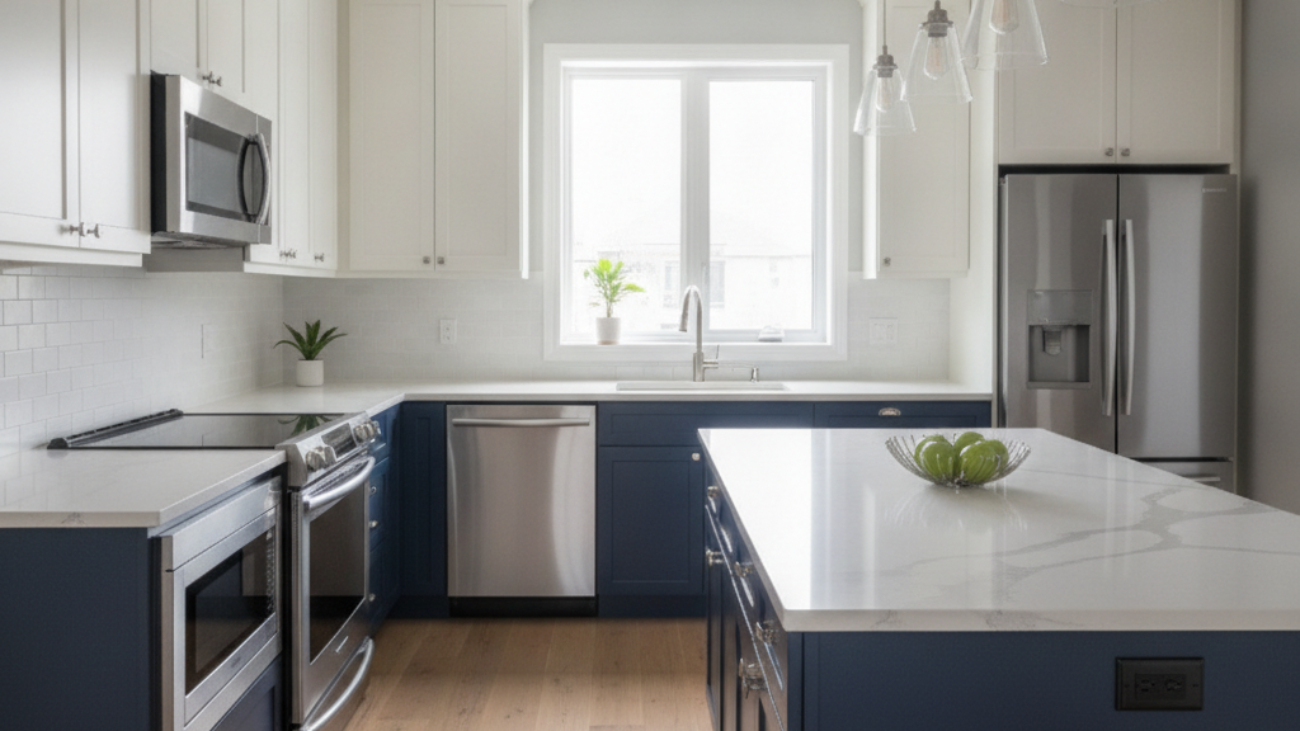
Cabinet refinishing is the professional restoration and repainting of existing cabinet boxes and doors to deliver a like-new finish without replacing the cabinetry. In York (2710 St Clair Ave W) and across Toronto, Paint2decor INC uses spray-applied, durable coatings and meticulous prep to refresh kitchens and bathrooms quickly while keeping layouts intact.
By Paint2decor INC • Last updated: 2026-06-19
Your Cabinet Refinishing Game Plan (Hook + TOC)
Refinishing gives your cabinets a factory-smooth look by repairing, prepping, priming, and spray-applying tough waterborne coatings. It’s faster and less disruptive than replacement, and it preserves your kitchen layout. Use this guide to see the process, finishes, timelines, best practices, and how Paint2decor INC delivers consistent results in Toronto homes.
You want a fresh, modern kitchen without a full remodel. Here’s how this guide helps you move from idea to finished space with confidence.
- Understand the difference between refinishing, refacing, and replacing.
- See the full pro process Paint2decor INC follows in GTA homes.
- Choose finishes, sheens, and colors that hold up to daily use.
- Set realistic expectations for timelines, odors, and cure time.
- Use checklists to prep your space and speed up day one.
At a Glance
- Typical on-site timeline: 3–5 working days for an average kitchen, plus 7–14 days for full coating cure.
- Coating system: bonding primer + 2–3 spray coats of cabinet-grade waterborne enamel.
- Durability drivers: surface prep quality, humidity control, and proper cure windows.
- When to consider refacing instead: you want a new door style, or boxes are damaged.
- When to consider replacement: reconfiguring layouts, moving appliances, or adding storage walls.
What Is Cabinet Refinishing?
Cabinet refinishing restores existing doors and boxes with repairs, deep cleaning, sanding, priming, and spray-applied finishes. It keeps your layout and structure, but transforms color and sheen. For Toronto homeowners, it’s a high-impact alternative to replacement that shortens timelines and minimizes disruption while delivering a factory-smooth look.
Refinishing focuses on your current cabinetry: we fix worn edges, clean, sand, prime, and spray professional coatings for a durable, modern result. The footprint stays, the finish changes.
Refinishing vs. Refacing vs. Replacing
- Refinishing: Keep existing doors/boxes; change color and sheen via spray-applied coatings.
- Refacing: New doors/drawer fronts + veneer/skins on face frames; hardware updates included.
- Replacing: New cabinets and layout changes; longest timelines and most construction.
Not sure which path fits? Our Toronto refinishing team often recommends refinishing when boxes are solid and you want a color update. If you want a new door profile (e.g., slab to shaker), refacing may be smarter. For wall moves or major layout changes, replacement wins.
Why Cabinet Refinishing Matters for GTA Homes
Cabinet refinishing matters because it updates style, extends cabinet life, and reduces disruption compared to a gut renovation. In York and Toronto’s tight urban homes, refinishing delivers a high visual return with fewer trades, shorter schedules, and less waste—while aligning with modern color and finish trends.
Here’s the thing: most Toronto kitchens have solid cabinet boxes. The finish is what looks tired. When you renew the finish, you unlock a fresh, current look without moving walls or losing weeks to construction.
- Faster refresh: Many average kitchens wrap in 3–5 working days on-site, plus cure time.
- Lower disruption: Keep appliances connected; maintain daily routines during most steps.
- Style-forward: Embrace two-tone palettes, soft whites, or modern greens that fit Toronto homes.
- Less material waste: You reuse the cabinet structure you already own.
Local considerations for York
- Schedule around school breaks and holiday hosting. York homeowners often target spring and early fall to balance humidity for best curing.
- Ask about ventilation plans. Nearby green spaces like Smythe Park can mean more open-window days in mild weather.
- If parking is tight near Jane St at St Clair Ave West, allocate a spot for our spray booth trailer pickup and deliveries.
How the Professional Process Works
Professional cabinet refinishing follows a controlled workflow: tag and remove doors, degrease and sand, repair, prime, and spray 2–3 coats in a booth, then reinstall with new hardware. Site protection, humidity control, and proper cure windows ensure a hard, consistent finish throughout your kitchen or bath.
In our experience across Toronto, consistent results come from consistent process. Here’s the sequence we use in GTA homes.
End-to-End Steps
- In-home assessment (45–60 minutes): document door count, materials, damage, and ventilation paths.
- Tagging and removal: label hinges/doors; set up dust containment and floor protection.
- Degreasing: remove oils with cabinet-safe cleaners; rinse thoroughly to avoid residue.
- Mechanical sanding: scuff-sand to promote adhesion; address end-grain and profile details.
- Repairs: fill dings, tighten joints, correct misaligned doors; allow dry times per product data.
- Bonding primer: spray thin, even coat; sand between coats if specified.
- Topcoats (2–3): spray cabinet-grade waterborne enamel; flash off 20–30 minutes between coats as conditions allow.
- Cure and reassembly: reinstall doors after initial set (often 12–24 hours); advise 7–14 days for full cure before heavy cleaning.
- Hardware upgrades: swap pulls/knobs; consider soft-close hinges where feasible.
- Final walkthrough: touch-ups, care guidance, and maintenance tips.
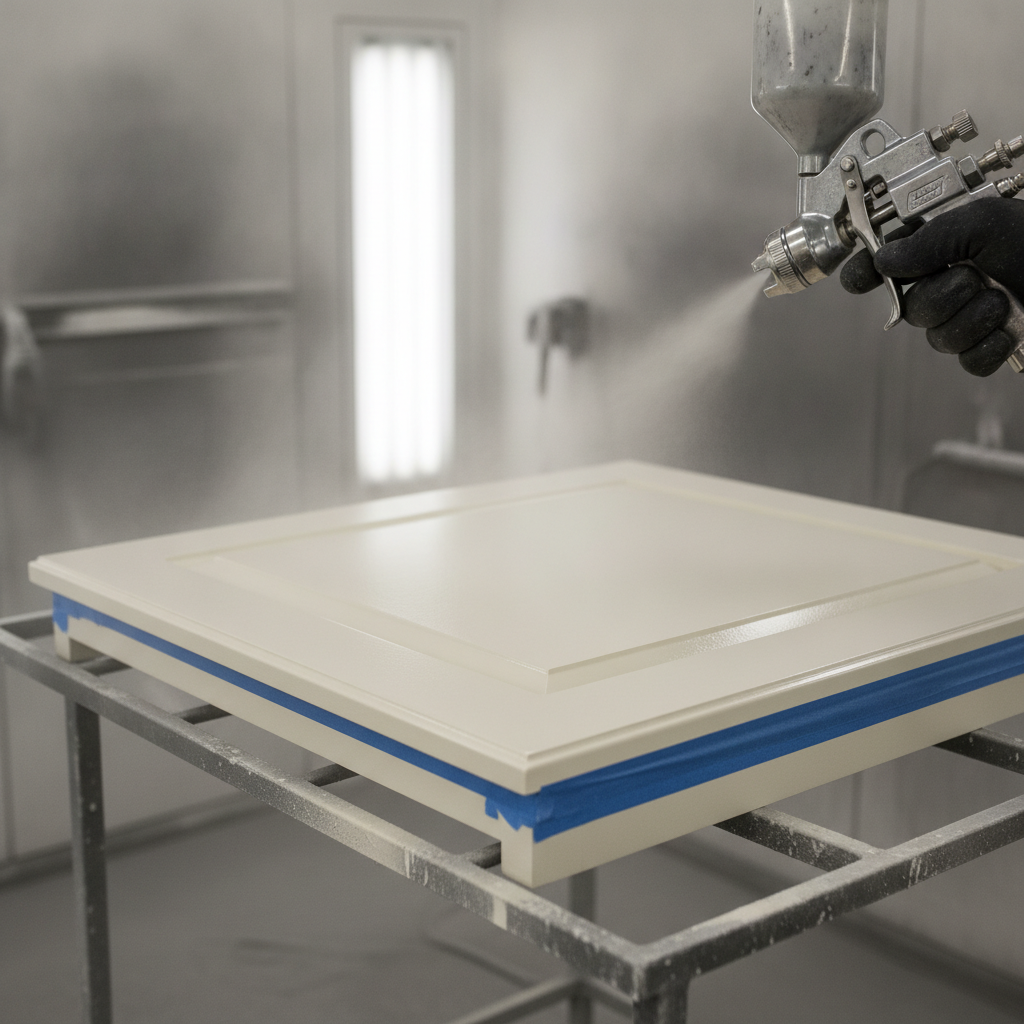
Control matters. We monitor humidity and temperature, maintain clean air with filtration, and use HVLP sprayers to deliver uniform atomization for that factory-smooth look.
Types, Methods, and Finish Options
Most successful cabinet refinishing uses bonding primers plus cabinet-grade waterborne enamels applied by HVLP spray. Sheens range from matte to semi-gloss; colors trend toward soft whites, warm grays, and two-tone schemes. Optional upgrades include new hardware, crown additions, and inside-cabinet paint for glass-front doors.
Every Toronto kitchen is different, but proven refinishing systems share common building blocks. Choose a finish that fits your family’s use and lighting.
Application Methods
- Spray in a booth: off-site or mobile booth for doors/drawers ensures dust control and predictable dry times.
- On-site spray: boxes and face frames masked and sprayed with containment; vital for uniform sheen across parts.
- Brush/roll blending: occasionally used for tight areas; best kept minimal to avoid texture.
Finish Systems
- Waterborne enamel: low odor, hard-wearing, cleans with water, and cures to a cabinet-tough film.
- Bonding primers: engineered to grab onto previously finished surfaces; promotes long-term adhesion.
- Sheen selection: matte hides minor imperfections; satin is family-friendly; semi-gloss is brightest and most wipeable.
Popular Color Directions
- Soft whites that brighten smaller York kitchens.
- Two-tone: light uppers + navy, charcoal, or forest-green lowers.
- Warm grays that play well with quartz veining and stainless steel.
Tip: Test large samples under your actual lighting at night and mid-day; color perception can shift 10–15% based on ambient temperature and bulbs.
Best Practices for Durability and a Factory-Smooth Look
Durability starts with clean substrates, thorough sanding, and thin, even spray coats. Control dust, humidity, and temperature; respect primer and topcoat recoat windows; and don’t rush reassembly. The result is a hard, uniform film that resists everyday wear, even in high-traffic Toronto kitchens.
We’ve found that outcomes hinge on the boring stuff: prep, film builds, and cure time. Do those right, and everything else clicks.
Surface Prep Essentials
- Degrease until a white cloth wipes clean—no shadows or residue.
- Sand profiles and end-grain thoroughly; missed edges can account for most early chips.
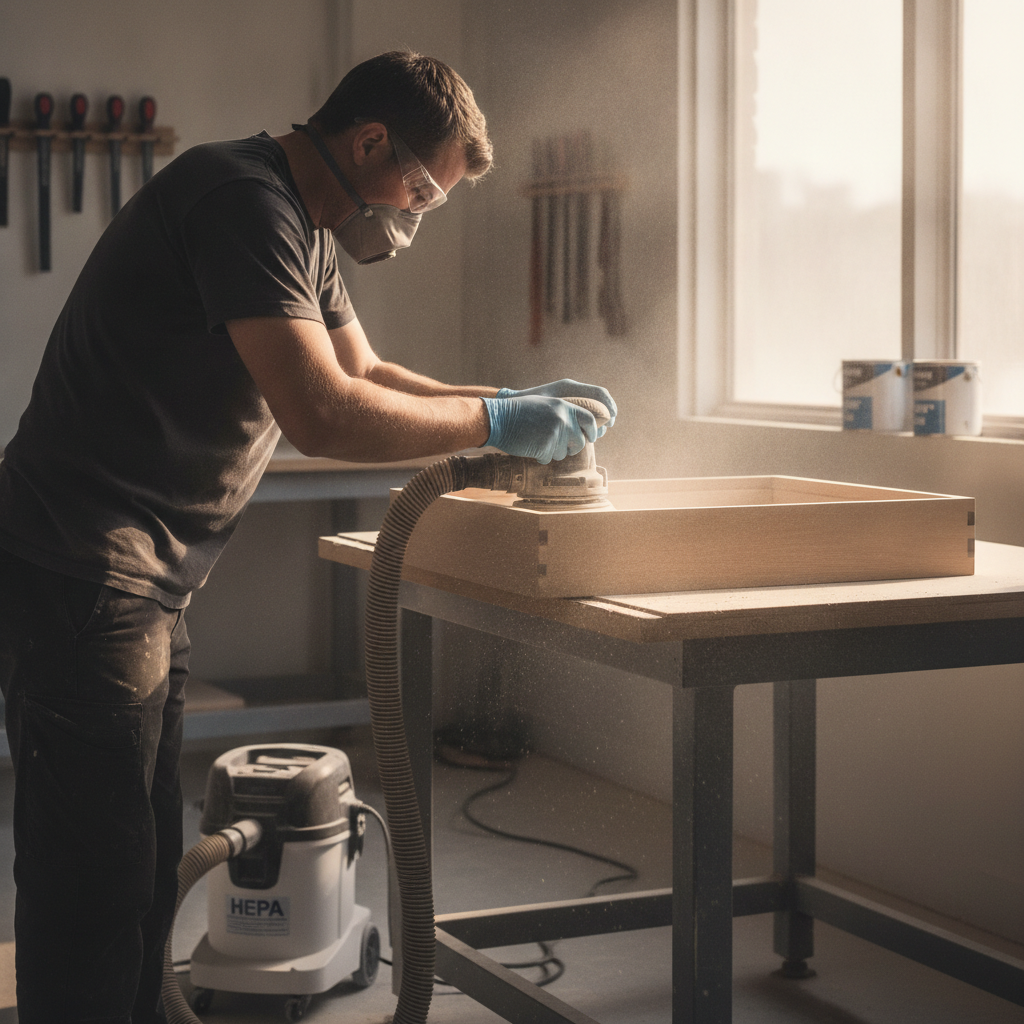
- Vacuum dust with HEPA filtration; tack-cloth only after vac.
Coating Technique
- Spray light, even passes; avoid heavy first coats that trap solvents.
- Observe 20–30 minute flash times before recoating when conditions allow.
- De-nib between coats with fine abrasives for that ultra-smooth feel.
Environmental Control
- Target 40–55% relative humidity for predictable cure.
- Stabilize temperature in the 65–75°F range during work hours.
- Ventilate to the exterior with filtered exhaust to manage overspray and odor.
Once reinstalled, avoid heavy cleaning until full cure (often 7–14 days). Use gentle cleaners and microfiber during the first month.
Tools, Materials, and Homeowner Prep
A professional refinishing setup includes HVLP sprayers, bonding primers, cabinet-grade waterborne enamel, HEPA vacuums, and masking systems. Homeowners can speed day one by clearing counters, emptying drawers, labeling contents, and securing pets. Good prep compresses timelines and reduces onsite disruption.
Great results blend craftsmanship and the right tools. Here’s what our crews bring—and how you can help the schedule.
Pro Gear We Use
- HVLP turbine or compressor-driven guns for precise atomization.
- Mobile spray booth or off-site finishing area for doors/drawers.
- Random-orbit sanders connected to HEPA vacuums.
- Masking film, paper, and zip walls for airtight containment.
- Moisture meters and hygrometers to track site conditions.
What You Can Do Before We Arrive
- Clear countertops and empty the first 1–2 feet of the lowers for easy access.
- Remove fragile items and wall decor in the spray path.
- Share your appliance-use plans so we phase work to keep you cooking.
Refinish vs. Reface vs. Replace: Side-by-Side
Choose refinishing when your boxes are solid and you want a color upgrade. Choose refacing for a new door style without layout changes. Choose replacement for new layouts or extensive damage. The table below summarizes timelines, scope, and when each approach shines.
| Approach | What Changes | Typical On-Site Time | Best For | Notes |
|---|---|---|---|---|
| Refinish | Color, sheen, hardware | 3–5 days + cure | Solid boxes; modern look | Factory-smooth spray; minimal disruption |
| Reface | New doors + veneer | 5–10 days | New profiles; intact layout | Great for shaker/slab upgrades |
| Replace | Entire cabinet system | 2–5+ weeks | Layout changes; damage | Involves multiple trades |
If you’re leaning toward refacing, explore our take in this refinishing vs refacing guide for Toronto homeowners.
Timelines, Odor, and What to Expect Day-to-Day
Most projects run 3–5 working days on-site, with doors sprayed in a booth and boxes finished in place. Expect low odor from waterborne coatings, some masking on appliances and counters, and a 7–14 day full cure window. You can usually cook during off-hours, with clear pathways maintained.
We plan around your routines. The door set typically leaves early, while on-site prep, masking, and box spraying stays contained.
- Day 1–2: protection, removal, degrease, sanding, repairs, primer.
- Day 3–4: spray topcoats on boxes; doors receive multiple coats in booth.
- Day 5: reinstallation, hardware, touch-ups, and walkthrough.
Pro tip: keep humidity stable (40–55%) and avoid steamy cooking during early cure to help coatings harden evenly.
Case Studies from York and Across Toronto
Real Toronto projects show refinishing’s impact: two-tone updates brighten tight kitchens, waterborne enamels resist daily wear, and thoughtful prep avoids early chips. These mini case studies highlight choices that worked—and why they worked—in local homes served by Paint2decor INC.
York Semi-Detached, Galley Kitchen
- Challenge: heavy cooking and tight walkways; yellowed finish and visible wear on lower doors.
- Choice: satin waterborne enamel; soft white uppers and navy lowers; new brushed brass pulls.
- Result: brighter sightlines; scuff resistance on lowers; 3–5 day on-site window; full cure after 10 days.
Toronto West-End Condo
- Challenge: strict condo rules; limited ventilation; must keep appliances available nightly.
- Choice: off-site spraying for doors; evening reassembly phases; meticulous containment.
- Result: smooth factory finish; negligible odor; cooking access preserved each night.
Family Home Near Smythe Park
- Challenge: sticky residues on door rails; kids and pets at home during the day.
- Choice: extended degreasing; HEPA dust control; staged masking; child/pet zones.
- Result: clean adhesion; zero overspray outside containment; safe daily routines.
What Affects Your Quote and Scope (No Pricing)
Quotes vary by door count, wood species, existing finish condition, repairs, color changes, and hardware upgrades. Booth availability, access/parking, and condo rules can influence schedule and setup. We scope projects transparently so Toronto homeowners know exactly what’s included before work begins—without surprise changes midstream.
While we don’t publish pricing, you can anticipate the factors that shape a proposal. Clear details help us set accurate timelines and deliverables.
- Complexity: heavy profiles, glass doors, crown, and panels require extra prep time.
- Condition: greasy surfaces, water damage, or failing finishes need additional remediation.
- Color shift: dark-to-light transitions usually add coats; light-to-dark is often simpler.
- Upgrades: new hardware, soft-close hinges, or minor trim carpentry expand scope.
- Logistics: elevator bookings, parking near St Clair Ave W, and building bylaws affect planning.
For a deeper dive into scoping, review our internal take on what affects price and timelines.
Thinking About Your Own Kitchen?
If your boxes are solid and you want a fresh look, refinishing is likely the fastest path to a modern kitchen. Share a few photos and your address in York or anywhere in Toronto, and our team will outline a tailored plan and schedule that fits your routines.
Free, no-pressure consultation: Tell us your door count, preferred colors, and any condo or access rules. We’ll recommend the best refinishing or refacing path for your home.
Explore our refinishing & painting service or browse our Toronto refinishing guide to get inspired.
Homeowner Checklists to Speed Up Day One
Small prep steps shorten your project. Clear counters, empty cutlery drawers, plan parking, and note pet routines. If you’re in a condo, reserve elevators and confirm work hours. A 20–30 minute planning call the week before prevents day-one surprises and keeps the 3–5 day timeline on track.
Kitchen Prep
- Empty the first 1–2 feet of lower cabinets for easy masking and access.
- Remove countertop appliances and move decor away from spray paths.
- Note any sticky residues or water-damaged areas you’ve observed.
Access and Logistics
- Condo: book elevators and loading dock windows; verify working hours.
- House: reserve a parking spot near the entrance for equipment drop-off.
- Share door codes and alarm details with your project lead in advance.
Aftercare Plan
- Use gentle cleaners and microfiber for the first month.
- Install felt pads on doors that touch walls or appliances.
- Avoid heavy scrubbing until after the 7–14 day full cure period.
Helpful Guides and Comparisons
Thinking about alternatives? Comparisons help you decide. Explore industry overviews of painting and the difference between replacing and refacing, plus cabinet-door basics. These resources complement our Toronto-focused advice and can clarify which route fits your space, timeline, and style goals.
For perspective outside of our own experience, you may find these overviews useful:
Refacing is a common middle path between repainting and full replacement. See a concise discussion of replacing vs refacing for context on scope differences. If you’re exploring repainting, this painting cabinets overview walks through typical steps involved. For door construction basics, review this cabinet door standards guide to understand profiles and materials.
FAQ: Cabinet Refinishing in Toronto
These FAQs address common Toronto homeowner questions about cabinet refinishing timelines, odors, compatibility with wood types, and how to keep cooking during the project. Each answer is short, direct, and based on our day-to-day experience in GTA kitchens and bathrooms.
How long does cabinet refinishing take?
Most kitchens take 3–5 working days on-site. Doors are sprayed in a booth while boxes are finished in place. You can usually use the kitchen between phases. Full cure is typically 7–14 days, so avoid heavy cleaning until then.
Will there be strong paint odors?
We use cabinet-grade waterborne enamels with low odor. Containment and ventilation keep smells minimal. You may notice a mild scent during spraying, but it dissipates as coatings flash off and cure.
Can you refinish any wood species?
Most solid woods and veneers—maple, oak, birch, and MDF—refinish well with proper cleaning, sanding, and bonding primer. Deep grain (like oak) may show subtle texture under matte or satin sheens unless it’s filled.
Do I need to replace my hardware?
Not necessarily. New pulls can refresh the look quickly, but we can reuse your hardware if it’s in good shape. If you want soft-close, we’ll check hinge compatibility and recommend options.
What maintenance keeps the finish looking new?
Wipe spills promptly, use gentle cleaners and microfiber cloths, and add felt pads where doors touch walls. Avoid abrasive pads. After full cure (about 7–14 days), periodic gentle cleaning keeps the finish crisp.
Conclusion and Next Steps
Cabinet refinishing delivers a fast style reset for solid kitchens: professional prep, bonding primer, and spray-applied waterborne enamel create a hard, smooth finish. If your layout works, it’s the most direct route to a fresh look. Share photos, and we’ll recommend refinishing, refacing, or replacement based on your goals.
Key Takeaways
- Refinishing preserves your layout and upgrades color, sheen, and hardware.
- Results depend on deep cleaning, sanding, and thin, even spray coats.
- Plan for 3–5 on-site days and 7–14 days for full cure.
- Choose matte, satin, or semi-gloss based on cleaning and lighting needs.
- York/Toronto logistics (parking, condo rules) shape scheduling—plan early.
Ready to talk through your space in York or anywhere in Toronto? Explore our refinishing & painting service, scan our cupboard refinishing guide, and when you’re ready, request a walk-through so we can map your timeline.