
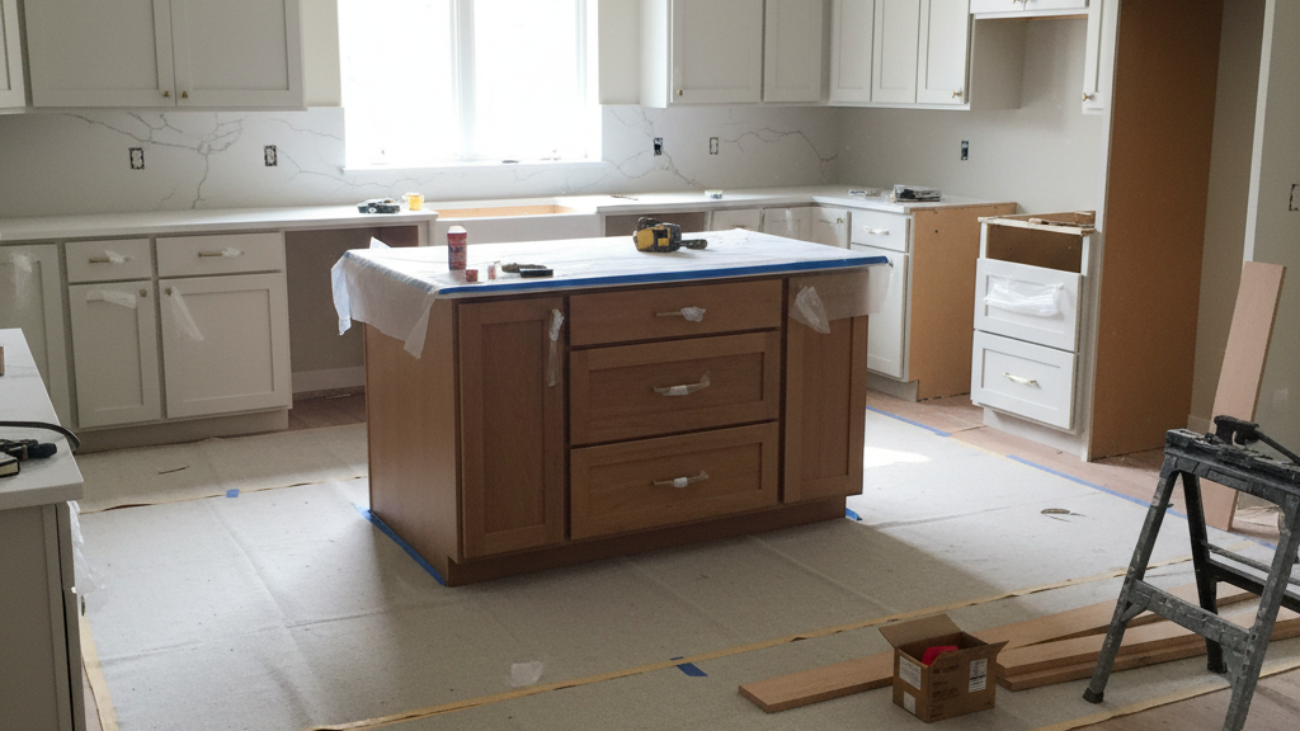
Cabinet refacing companies replace cabinet doors, drawer fronts, and visible exteriors while keeping your sturdy cabinet boxes. For York and Toronto homeowners near 2710 St Clair Ave W, this offers a faster, cleaner way to refresh kitchens and baths. Paint2decor INC specializes in refacing, refinishing, and spray painting that deliver a like-new look without full replacement.
By Paint2decor INC • Last updated: June 5, 2026
Start Here: Your Cabinet Refacing Playbook
Cabinet refacing updates your kitchen by replacing doors and drawer fronts, adding new veneer or panels to frames, and installing fresh hardware. It preserves sound cabinet boxes, shortens project timelines, and reduces disruption. This playbook shows how to choose providers, evaluate materials, and plan a smooth, lasting upgrade.
Thinking about hiring cabinet refacing companies but not sure where to begin? Use this section as your map. You’ll see the process, priorities, and pitfalls—so you can make confident, timely decisions.
- What refacing is (and isn’t) in plain language
- Why Toronto homes benefit from refacing over full replacement
- How reputable providers stage projects to minimize downtime
- Which materials hold up best to daily use
- How to compare companies and check workmanship
- A buying checklist you can print or save
At a Glance
- Scope: Doors, drawer fronts, skins/panels, hinge upgrades, hardware.
- Kept: Existing cabinet boxes when structurally sound and plumb.
- Finish options: Pre-finished doors, wood veneers, professional spray finishes.
- Typical timeline: Measured in days on-site, plus lead-time for doors.
- Ideal candidates: Solid boxes, workable layouts, homeowners who want less disruption.
Table of Contents
- What Is Cabinet Refacing?
- Why It Matters for Toronto Homes
- How the Process Works
- Types, Materials, and Approaches
- How to Compare Cabinet Refacing Companies
- Refacing vs Refinishing vs Replacing (Comparison)
- Best Practices We Follow
- Tools and Resources
- 11 Mini Case Examples
- FAQ: Cabinet Refacing Companies
- Key Takeaways and Next Steps
What Is Cabinet Refacing (and How Companies Do It)?
Cabinet refacing replaces doors and drawer fronts, covers exposed frames with matching material, and updates hinges and hardware. It keeps structurally sound cabinet boxes in place. The result is a dramatic style change with less demolition, shorter timelines, and cleaner job sites compared to full replacement.
Refacing is a smart middle path between repainting and replacing. You keep your layout and boxes, but everything you see and touch looks brand-new. That’s why many families choose it for kitchens and bathroom vanities.
- What’s replaced: Doors, drawer fronts, panels/skins, moldings, toe kicks, and hardware.
- What’s kept: Existing cabinet boxes if they’re square, dry, and anchored well.
- What’s added: Veneer or rigid skins on face frames and ends to match new doors.
- Finish paths: Pre-finished components or professional cabinet respraying.
In our field work across Toronto homes, mid-size kitchens commonly have 18–30 doors and 8–15 drawer fronts. That’s a practical lens for planning hardware counts, hinge upgrades, and door ordering accuracy.
Why Cabinet Refacing Matters for Toronto Homes
Refacing matters because it delivers a like-new kitchen faster and with less disruption. In York and the greater Toronto area, many homes have solid cabinet boxes. Upgrading doors, frames, and hardware modernizes style and function without tearing out the whole kitchen.
Older Toronto neighborhoods often feature sturdy cabinet boxes. Keeping these while refreshing their exteriors reduces waste, limits dust, and preserves working layouts that already fit your space.
- Time savings: On-site work is typically measured in days, not weeks, after doors arrive.
- Lower disruption: Daily cooking access can often be maintained during staging.
- Design freedom: New door styles, colors, and hardware transform the room mood.
- Durability gains: Modern hinges, soft-close slides, and tougher finishes improve use.
- Cleaner process: Less demolition means fewer trips to the landfill and less dust.
When we refinish or reface in winter, we sequence indoor spraying in a controlled environment and stage re-installs to keep kitchens functional. Season-aware planning helps Toronto homeowners move faster, even during busy months.
How Cabinet Refacing Works (Step-by-Step)
Refacing follows a precise sequence: assessment, measurement, door selection, shop finishing, site prep, removal, frame coverage, hardware install, door hanging, and final quality check. This method reduces surprises, controls dust, and keeps your kitchen available for daily life.
Here’s a straightforward breakdown of the process we use on GTA projects. The steps adjust slightly based on materials and door construction, but the sequence stays consistent for quality control.
- Assessment: Confirm boxes are square, dry, and anchored; verify layout stays.
- Measure: Record door/drawer counts, hinge drilling patterns, reveals, and overlays.
- Select: Choose door style, edge profile, and finish path (pre-finished or spray).
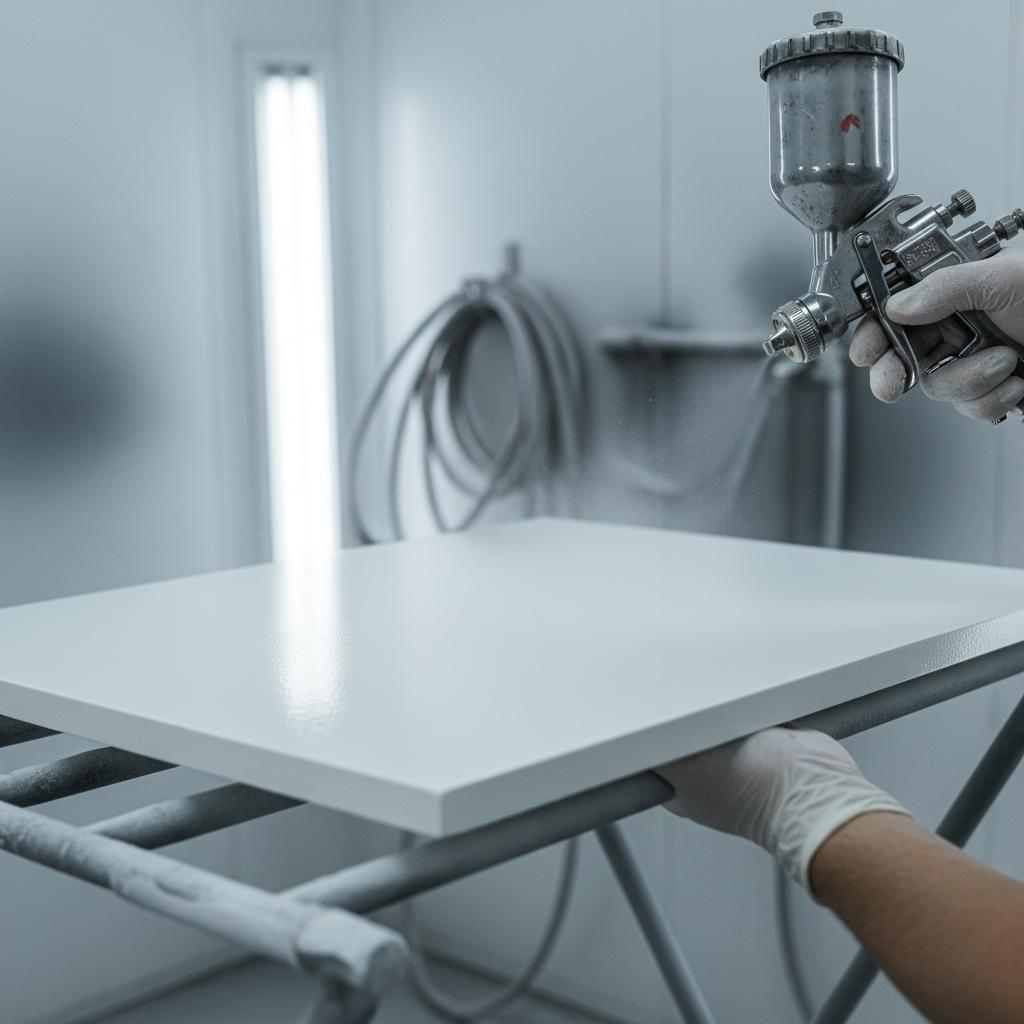
- Shop finishing: If spraying, we finish doors in a controlled booth for a uniform film.
- Site prep: Protect floors, appliances, and counters; set up containment and airflow.
- Removal: Take off old doors, drawer fronts, and trim; label everything for reassembly.
- Frame coverage: Apply veneer or rigid skins to face frames, sides, and panels.
- Hardware: Install soft-close hinges, pulls, and slides; align for smooth action.
- Hanging: Mount new doors and fronts; verify consistent gaps and reveals.
- QA walkthrough: Test all doors/drawers, adjust, and clean; provide care guidance.
For planning, we recommend homeowners clear 30–40% of cabinet contents into bins. It shortens the daily reset and speeds up our punch-list by a meaningful margin.
Types, Materials, and Approaches
Refacing materials include painted MDF doors, solid wood doors, wood veneers, and thermofoil/rigid laminates. The right choice balances style, durability, and cleanability. Companies pair these with upgraded hinges and slides to deliver a complete, long-lasting refresh.
Your lifestyle drives the material decision. Do you cook daily? Prefer wipe-clean surfaces? Want a visible wood grain? Here are the common paths we help Toronto families compare.
Door and Skin Options
- Painted MDF doors: Crisp edges and smooth panels; pairs well with professional spray finishes.
- Solid wood doors: Natural grain with stain or paint; timeless profiles and repairable surfaces.
- Wood veneer skins: Real-wood look on frames and ends; matches stained or painted doors.
- Thermofoil/RTL: Durable wrap with consistent color; good for humidity-prone baths.
Hardware and Function
- Soft-close hinges: Smoother close, less slamming; adjustable for perfect reveals.
- Full-extension slides: Easier access to the back of drawers; higher daily utility.
- Pulls and knobs: Modern matte black, brushed brass, or classic chrome refresh style fast.
- Toe-kick and light rail: Finished trims complete the visual line and hide task lighting.
Finish Approaches
- Pre-finished components: Arrive finished from the shop; fast on-site install.
- Professional spraying: Doors finished in a booth; frames sprayed on-site as needed.
- Hybrid: Pre-finished doors with on-site sprayed frames for color match.
We walk homeowners through scratch resistance, sheen levels, and cleaning routines. In busy kitchens with daily cooking, satin or matte sheens hide fingerprints better than high gloss, while still cleaning easily with non-abrasive products.
Cabinet Refacing Companies: How to Compare and Choose
Compare cabinet refacing companies by workmanship, controlled finishing, material choices, door sourcing, hinge/slide upgrades, scheduling discipline, and clear warranties. Ask to see recent, local projects and confirm who performs spraying, installation, and quality control.
Here’s a practical buying guide you can use from first call to final walkthrough. It’s built around what we do at Paint2decor INC and what homeowners in Toronto tell us they value most.
- Confirm scope in writing: Doors, fronts, skins, trims, soft-close hinges, and hardware.
- Ask about finishing controls: Is spraying done in a booth? How is dust managed on-site?
- Review door sourcing: Standard sizes vs. custom. See this overview of standard versus custom doors for context.
- Evaluate material options: Painted MDF, solid wood, veneers, or thermofoil and why.
- Inspect hardware specs: Soft-close hinges and full-extension slides as baseline.
- Timeline discipline: How they stage removal, frame coverage, and re-hanging day by day.
- See actual work: Local projects, before/after photos, and a recent reference in York or Toronto.
- Warranty clarity: What’s covered, for how long, and what maintenance is expected.
- Communication: Single project lead? How and when you’ll receive updates.
- Post-care: Cleaning guidance, touch-up approach, and who to call if adjustments are needed.
For deeper context on the big-picture decision, this comparison of replacing vs. refacing kitchens outlines when each path makes sense from a renovation-planning standpoint.
Refacing vs Refinishing vs Replacing (Comparison)
Refacing changes the style and color with new doors and skins; refinishing repaints or re-stains existing doors; replacing rebuilds from scratch. If boxes are solid and layouts work, refacing or refinishing provide dramatic updates without a full gut.
| Aspect | Refacing | Refinishing | Replacing |
|---|---|---|---|
| Cabinet boxes | Kept if sound | Kept | Removed and rebuilt |
| Doors/drawer fronts | New | Same, repainted/re-stained | New |
| Visible frame surfaces | New veneer/skins | Repainted | New boxes and panels |
| Hardware | Upgraded | Upgraded (optional) | New |
| Layout changes | No (minor tweaks) | No | Yes |
| On-site timeline | Days | Days | Weeks |
| Disruption level | Low–moderate | Low | High |
| When best | Sound boxes, big style change | Good doors need color update | Box damage or layout change |
If your doors are in great shape and you mainly want a color shift, explore our cabinet respraying service. If doors are dated or damaged, refacing typically delivers the bigger visual transformation.
Best Practices We Follow at Paint2decor INC
Our best practices center on controlled spraying, meticulous surface prep, precise hinge alignment, and dust management. We document measurements, protect your home thoroughly, and stage work so you keep access to essentials while the finish cures.
Here’s how we deliver consistent results for families across the GTA, including York and central Toronto.
- Measurement discipline: We verify reveals, overlays, and hinge boring at least twice.
- Protection first: Floors, counters, and appliances are covered and taped with clean seams.
- Controlled finishing: Doors are finished in a booth; frames sprayed in contained areas.
- Hardware alignment: We square, shim, and adjust so doors close evenly and quietly.
- Daily resets: We tidy at day’s end so you can cook and move around safely.
- Care handoff: You receive simple cleaning do’s and don’ts for long-term performance.
Our blog’s ongoing education supports every decision—from color shifts to sheen levels. For inspiration with wood updates before refacing, see our note on updating oak cabinets, or learn how door replacement can pair with a new layout via cabinet door replacement in Toronto.

Tools and Resources for a Flawless Finish
Quality refacing relies on accurate measurements, dust control, and professional spraying tools. Look for HVLP sprayers, controlled finish booths, HEPA filtration, and precise measuring guides. Strong tooling cuts rework and helps doors hang straight with consistent reveals.
Professionals live and die by their tools. Here’s what matters during refacing, whether we’re upgrading a compact York galley kitchen or a large Toronto open-plan space.
- HVLP spray systems: Deliver fine finishes with predictable film build and low overspray.
- HEPA filtration: Contains airborne dust so finishes cure cleanly.
- Door and drawer jigs: Speed up repeatable, square installations.
- Hinge boring templates: Keep drilling precise for soft-close hinges.
- Measurement trackers: Digital logs prevent ordering or placement errors.
Want a primer on cabinet component standards as you compare vendors? This practical cabinet parts guide offers helpful terminology for doors, frames, and accessories.
11 Real-World Mini Case Examples (York & GTA)
These 11 quick scenarios show how cabinet refacing companies deliver real results in York and across the GTA. Each example highlights layout context, door count, and finish approach—so you can see what a refacing plan looks like in everyday homes.
Every kitchen is unique, but patterns repeat. Here are concise, anonymized snapshots from recent projects that mirror what many Toronto homeowners request.
- York galley, 22 doors: Shaker painted in warm white, soft-close hinge upgrade, new pulls; frames skinned to match.
- Open-concept condo, 14 doors: Slab doors in matte gray; hybrid approach with pre-finished fronts and on-site frame spraying.
- Family home near Smythe Park, 26 doors: Solid wood doors, satin clear coat; light rail added to hide task lighting.
- Classic brick semi, 19 doors: Thermofoil wrap for easy cleaning; brushed nickel hardware refresh.
- Midtown townhouse, 17 doors: Two-tone design—upper white, lower deep navy; veneer frames stained to coordinate.
- Suburban GTA, 28 doors: Painted MDF with soft-close slides on drawers; toe-kick replaced for uniform color line.
- Compact rental suite, 12 doors: Durable thermofoil with new pulls; minimal downtime between tenants.
- Large family island, 30+ fronts: Stained oak doors for wood warmth; protective floor coverings maintained daily.
- Heritage charm, 24 doors: Shaker style in creamy taupe; hinges adjusted to fix prior misalignment.
- Basement bar, 10 fronts: Slab doors in charcoal; veneer end panels and floating shelf accents.
- Bathroom vanity pair, 8 fronts: Moisture-friendly finish; pulls swapped to match fixtures.
Local considerations for York
- Plan delivery windows around busy stretches near Jane St at St Clair Ave West to simplify unloading and staging.
- Winter work? We sequence shop spraying and short on-site visits to keep your home warm and limit open-door time.
- Reading up before you choose? Stop by the nearby Toronto Public Library – Daniel G. Hill Branch to browse style ideas and color palettes.
FAQ: Cabinet Refacing Companies
Common questions focus on eligibility, timelines, materials, and maintenance. If your boxes are solid and you want a significant style change without major demolition, refacing is a strong candidate. Expect organized staging, daily protection, and a clear handoff for care.
How do I know if my kitchen is a good fit for refacing?
If cabinet boxes are square, dry, and firmly anchored—and your layout works—refacing is likely suitable. Doors and drawer fronts are replaced, frames are covered, and hardware is upgraded. We verify structure during assessment and confirm the plan before ordering any components.
What’s the difference between refacing and refinishing?
Refacing installs brand-new doors and drawer fronts and covers frame exteriors to match. Refinishing keeps your existing doors and simply repaints or re-stains them. If doors are dated or damaged, refacing delivers the bigger visual change; if doors are sound, refinishing may be enough.
How long does cabinet refacing usually take on-site?
Once doors are ready, on-site work is typically measured in days, not weeks. We protect surfaces, remove old doors/fronts, apply skins, install hardware, and hang new components in a tightly sequenced plan. We tidy daily so you can keep using the space.
Do cabinet refacing companies also update hardware and hinges?
Yes. A complete refacing plan typically includes new soft-close hinges, optional full-extension slides, and modern pulls or knobs. Hardware alignment is essential—consistent gaps and smooth action are part of our final quality checks.
Can I change door style and color at the same time?
Absolutely. That’s the core benefit of refacing. You select new door styles—Shaker, slab, or raised panel—and choose a sprayed or pre-finished color. We then skin frames to match, install upgraded hinges, and finish with new pulls that fit your design.
Key Takeaways and Next Steps
Choose a refacing partner that controls finishing, documents measurements, and protects your home daily. If your cabinet boxes are solid and your layout works, refacing can deliver a like-new kitchen on a faster timeline with less disruption than replacement.
- Cabinet refacing companies focus on visible surfaces while keeping solid boxes.
- Ask to see local projects and clarify finishing methods and hardware specs.
- Use our comparison table to select refacing vs. refinishing vs. replacing.
- Plan around delivery and staging to keep life running during the project.
Ready to explore options from York to downtown Toronto? Call Paint2decor INC at +1 (416)-831-8489 or visit us at 2710 St Clair Ave W to discuss refacing, bathroom cabinet refinishing, and professional cabinet respraying.