
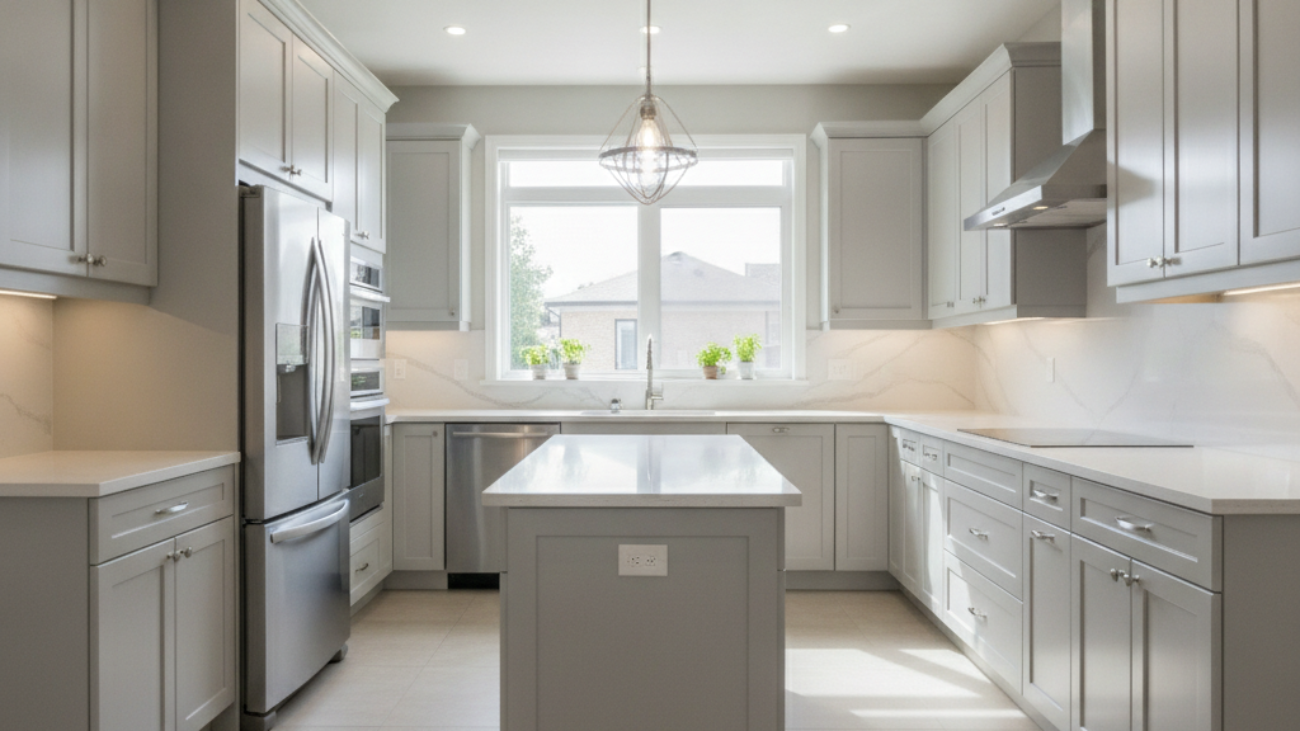
Toronto cabinet finishing sheen guide refers to selecting the exact luster—matte, eggshell, satin, semi-gloss, or high-gloss—that balances durability, cleanability, and style on cabinet doors and drawers. In York’s varied light and seasonal humidity, we see satin or semi-gloss sprayed finishes hold up best to fingerprints, steam, and frequent wipe-downs without looking overly shiny.
By Masoud Kakar — Paint2decor INC • Last updated: 2026-07-13
| In business since | 2008 |
|---|---|
| Service area | York, Toronto, GTA |
| Open hours | Mon–Sat 7:00–21:00; Sun 7:00–20:00 |
| Awards | HomeStars Best of Awards (2020, 2021) |
| Core specialties | Cabinet refacing, kitchen cabinet refinishing, cabinet respraying |
| Get started | Free quote available |
York-specific finishing tip from our spray team
Older York semis often have north-facing kitchens where cool morning light can make high-gloss feel clinical. In those rooms we lean satin. Newer condos near Jane St at St Clair Ave West usually have builder-grade MDF under tight pot lights—sprayed satin avoids telegraphed brush marks and keeps the glow controlled.
Overview
Cabinet sheen is the measured reflectivity of a cured coating. In Toronto, satin and semi-gloss sprayed finishes typically deliver the best balance of elegance and durability. Since 2008, Paint2decor INC has matched sheen to traffic zones, room moisture, and door material to keep kitchens and baths easy to clean and consistently beautiful.
You’ll see and feel sheen daily—first at 7 a.m. as soft light crosses door rails, then again at 6 p.m. under under-cabinet LEDs. The wrong sheen shows every fingerprint or looks too glossy. The right one wipes clean and feels silky, not sticky, after dinner cleanup.
- Prioritize wipeability around sinks, dishwashers, and ranges.
- Check how light rakes across tall pantry doors and island panels.
- Let the substrate guide sheen: maple/MDF love satin; oak likes lower sheen.
- Choose spray finishing for a uniform film and consistent reflection.
Local considerations for York
- Test a sprayed sample outdoors mid-day at Smythe Park for a neutral read on glare versus glow.
- Plan sheen for seasonal humidity swings; semi-gloss tolerates frequent wiping during damp weeks.
- In compact galley kitchens, satin hides touch-ups better on edge-heavy runs and tight door clearances.
Why Sheen Choice Matters More for Cabinets Than Walls
Cabinet doors take constant hand contact, grease, and steam—then get wiped daily. That workload magnifies sheen differences. Satin and semi-gloss resist moisture and stains better than flats, and a professional spray finish keeps the reflection even so panels look consistent under LEDs and window glare.
We see the difference every week in York homes. A wall can hide a roller’s stipple; a 20-inch Shaker panel under raking light can’t. By dinner, under bright task lighting, a brush-laid high-gloss will telegraph tracks you didn’t notice in the morning. Satin, sprayed properly, reads as a quiet glow instead of a mirror.
- Touch and feel: Matte feels velvety on day one but can polish slick where fingers pull. Satin keeps a soft, closed-film feel after repeated cleaning.
- Light behavior: North light softens satin; evening LEDs push semi-gloss toward crisp highlights. Match sheen to the room’s harshest light, not its kindest.
- Cleaning reality: Families wipe lower banks 3–4 times a day. Sheen that shrugs off microfiber cloths saves time and keeps edges tidy.
For product and method context specific to sprayed cabinetry in the GTA, see our cabinet spray painting finish options and how we tailor sheen to daily use patterns.
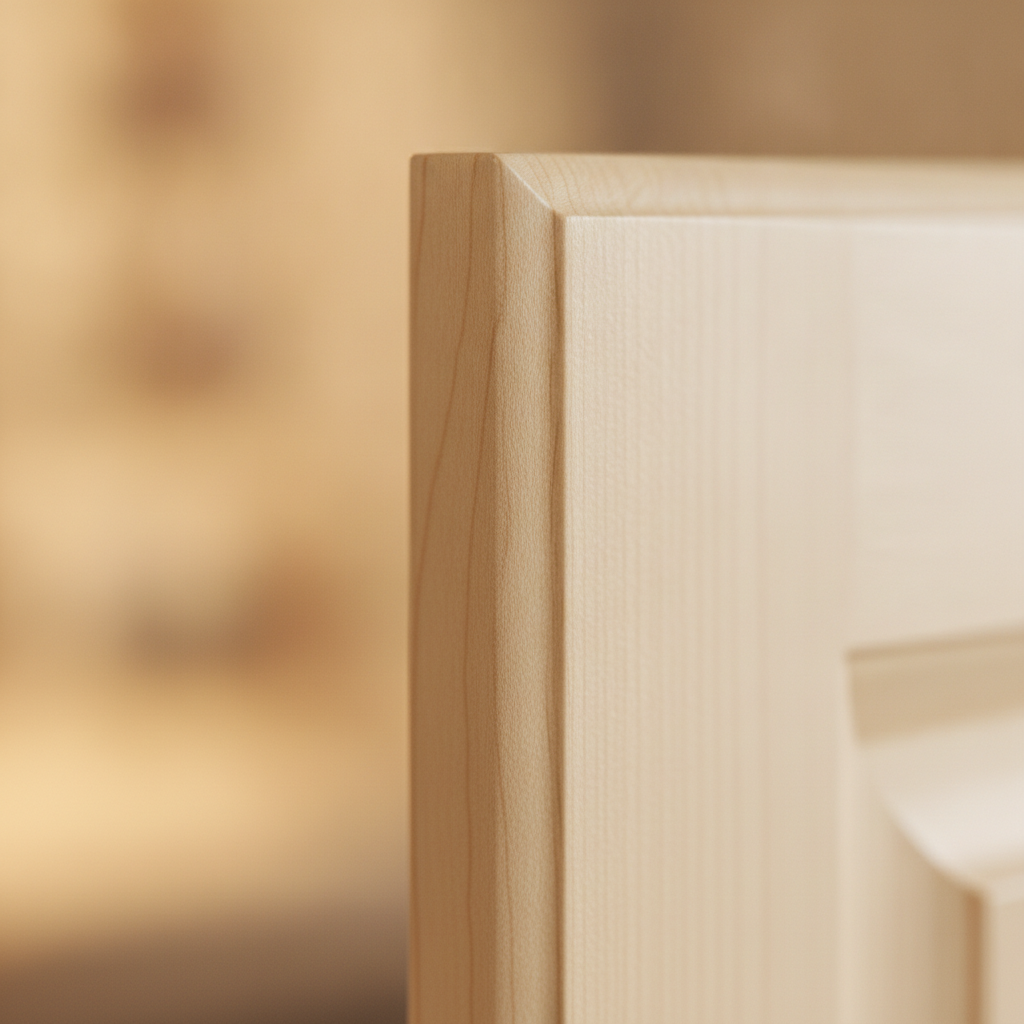
Toronto Cabinet Finishing Sheen Guide: The 5 Sheens Explained
Matte, eggshell, satin, semi-gloss, and high-gloss trade reflection for resilience. In Toronto kitchens and baths, satin is our default for balanced elegance and washability; semi-gloss protects splash zones; matte hides texture but marks faster; eggshell sits between; high-gloss is dramatic yet unforgiving of any prep miss.
| Sheen | Where it shines | How it looks | Cleaning & wear | Pro note from York jobs |
|---|---|---|---|---|
| Matte | Rustic oak, low-traffic banks | Velvety, low reflection | Hides texture; can burnish where grabbed | Great on display uppers; avoid sink runs |
| Eggshell | Pantries, tall doors, traditional profiles | Soft glow; reads warm | Moderate cleaning tolerance | Nice on glass-front frames and end panels |
| Satin | Most kitchens and baths | Refined, even glow | High; wipes clean without flashing | Our default for families and rentals |
| Semi-gloss | Sinks, ranges, dishwasher banks | Crisp highlights | Very high; resists moisture and stains | Mix with satin to balance the room |
| High-gloss | Modern showpiece islands/uppers | Mirror-like; every detail shows | Durable but hard to touch up | Requires flawless prep and spray booth control |
How we apply this in real projects: during a kitchen cabinet refinishing or makeover, we often default to satin on uppers for a calm read in daylight, then specify semi-gloss on the lower sink run and around the range where water and splatter live. That mix keeps the whole kitchen cohesive but practical.
How Toronto’s Climate Affects Your Sheen Decision
Seasonal humidity, steam bursts, and rapid temperature swings affect how sheen looks and wears. Satin and semi-gloss tolerate wipe-downs and moisture better than flats, and a controlled spray finish helps the coating cure evenly so your cabinets keep a consistent glow from winter’s dry air to summer’s muggy weeks.
- Winter dryness: Dust clings to static-prone flats; satin cleans faster without visible dull spots.
- Spring/fall swings: Frequent cleaning from condensation favors higher sheens near dishwashers and sinks.
- Summer steam: Micro-condensation can flash-mark matte finishes; semi-gloss shrugs it off.
We’ve rescued a few York kitchens where matte looked great on install day but burnished along the pull edges within weeks beside a hard-working dishwasher. A quick respray to satin restored the even feel and stopped the constant touch-up cycle.
For a general refresher on common interior paint finishes, this third-party overview of interior paint finishes explains base concepts before you narrow to cabinetry.
Sheen by Cabinet Type and Room (Kitchen vs Bathroom)
Let the door’s material and the room’s moisture choose the sheen. Maple and MDF showcase satin’s smooth glow; oak grain hides best in matte/eggshell; bathrooms benefit from semi-gloss for steam resistance. In high-touch Toronto kitchens, start satin, then step up to semi-gloss for splash zones and kids’ reach areas.
By material
- Maple/MDF Shaker: Satin emphasizes crisp rails without harsh glare. We’ll bump to semi-gloss near sinks for durability.
- Oak/open grain: Lower sheen reduces pore telegraphing. Eggshell is a comfortable middle if you want easier cleaning.
- Thermofoil replacements: A satin look-alike keeps glare down while staying wipeable on slab fronts.
By room
- Kitchens: Satin on general banks; semi-gloss on the cleanup triangle (sink, dishwasher, range).
- Powder rooms: Satin holds up to splashes and frequent handwashing.
- Full baths: Semi-gloss resists steam and routine disinfecting.
When we perform a kitchen cupboard refinishing project, we spray test panels in the room light before finalizing. If under-cabinet LEDs create hard highlights on a satin island, we may soften to eggshell there and keep semi-gloss only where water lives. For brand-specific considerations in York, our note on Benjamin Moore cabinet paint covers which pro lines level best when sprayed at proper viscosity.
What Happens When Professionals Spray vs Brush Each Sheen
Spraying lays an even film with minimal texture, keeping satin subtle and semi-gloss crisp without orange peel. Brushing or rolling can add tracks that raking light exaggerates, especially on high-gloss. For large, flat doors, a controlled HVLP spray setup delivers the most consistent sheen across every panel.
- Spray booth control: Stable temperature and airflow support uniform cure and gloss across doors and drawer fronts.
- HVLP precision: Tuned fan patterns and pass overlap reduce lap marks on rails, stiles, and panels.
- On-site realities: Brushed coats can work for walls; on cabinet slabs under LEDs, they telegraph.
Real example: a York condo kitchen near Jane St at St Clair Ave West had builder-grade MDF doors painted with a roller. Under tight pot lights, every edge flashed. We stripped, primed, and resprayed in satin. The same lights now glaze the doors evenly, and daily wipe-downs don’t leave patchy spots.
For a general step sequence on cabinetry refinishing, this third-party cabinet refinishing process outlines core stages. Our GTA-specific approach adds spray-booth curing and controlled rehang to protect that uniform sheen.
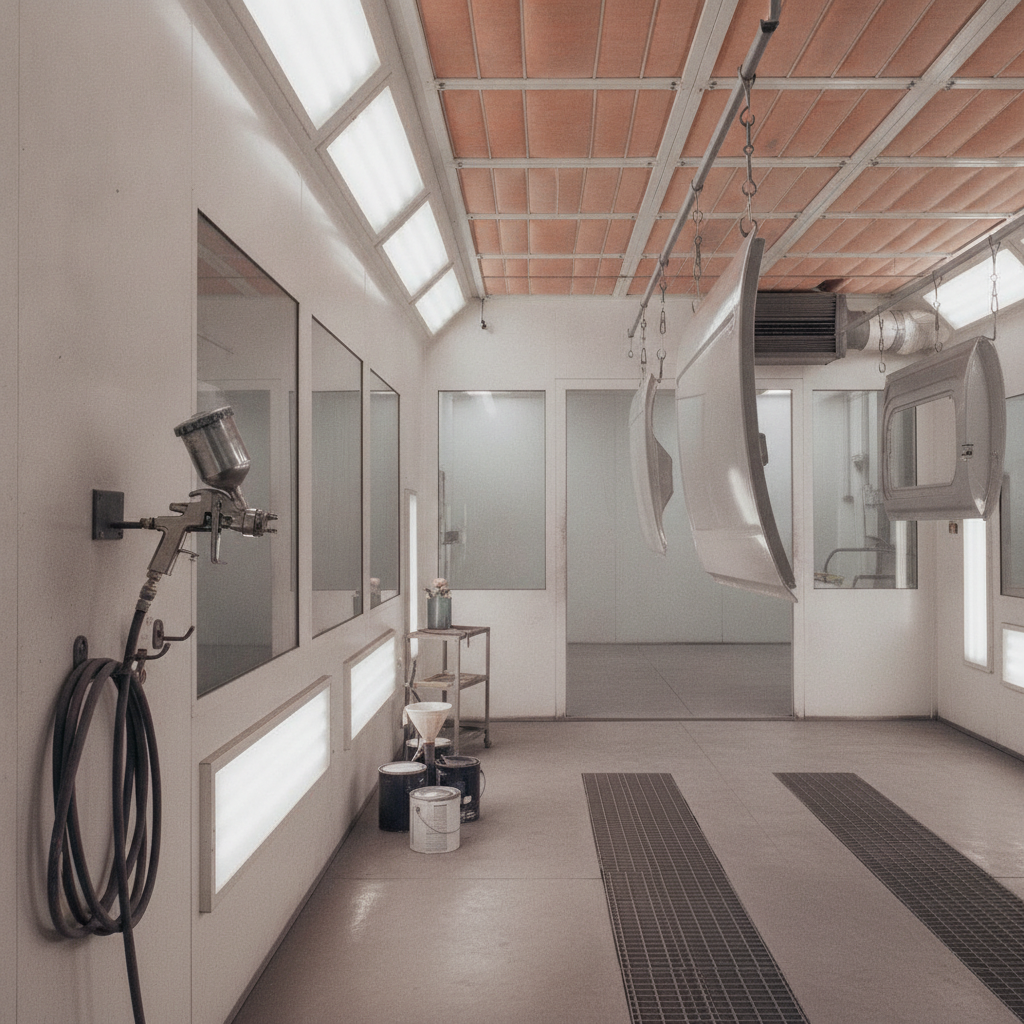
Common Sheen Mistakes Toronto Homeowners Make
The biggest missteps: choosing matte in splash-heavy zones, brushing high-gloss on large flat doors, and ignoring how pot lights reveal texture. Start with satin for most banks, reserve semi-gloss for cleanup zones, and rely on pro spraying so sheen reads evenly across every door and drawer.
- Underestimating raking light: LEDs and window glare spotlight roller stipple and brush tracks—especially on high-gloss.
- Skipping degrease/sand: Even the best sheen fails on poor prep. We always deep-degrease, sand, and prime to lock adhesion.
- One-sheen-everywhere: Mix satin and semi-gloss by zone. Keep the room cohesive but tune for cleaning.
- Touch-up traps: Matte is easier to spot-fix but may polish around handles. Satin shows fewer patch marks when sprayed uniformly.
From our bench: we’ve seen matte near a busy dishwasher go shiny where fingers grab, the texture turning slick in a month. We’ve also corrected brush-laid high-gloss that looked wavy by 6 p.m. under under-cabinet strips. Both issues disappeared once we resprayed in sheen-appropriate finishes tailored to the light.
Need a quick decision tool? Our Toronto cabinet finish checklist summarizes the zone-by-zone picks. For full service support, see spray painting finish options or book a cabinet refinishing assessment.
For additional transformation ideas beyond sheen, browse this roundup of practical cabinet makeover fixes.
FAQ: Cabinet Sheens in Toronto
What sheen is best for kitchen cabinets?
For most Toronto kitchens, start with satin. It shows a calm glow in daylight, hides small surface variation, and wipes clean without flashing. Use semi-gloss around sinks, dishwashers, and ranges where you expect frequent wipe-downs and steam.
Is high-gloss a good idea on cabinet doors?
High-gloss is striking but unforgiving. Any prep miss or brush track stands out, and touch-ups are tough to blend. If you love that mirror look, you’ll want flawless prep and a controlled spray-booth application to keep reflections even.
Does Toronto’s humidity change which sheen I should pick?
Yes. Seasonal swings and steam from cooking or showers increase cleaning needs. Satin and semi-gloss tolerate frequent wipe-downs and resist moisture better than matte, which can burnish or look patchy if scrubbed often.
Spray or brush: which gives a more consistent sheen?
Spray. A tuned HVLP setup lays an even film so satin stays subtle and semi-gloss looks crisp without ridges. Brushing is practical for walls but tends to telegraph texture on large cabinet panels under pot lights.
- Satin suits most Toronto cabinets; step to semi-gloss for splash zones.
- Spray finishing evens sheen so panels look consistent in any light.
- Match sheen to door material and room humidity for fewer touch-ups.
- Test sprayed samples in real York light before you commit.