
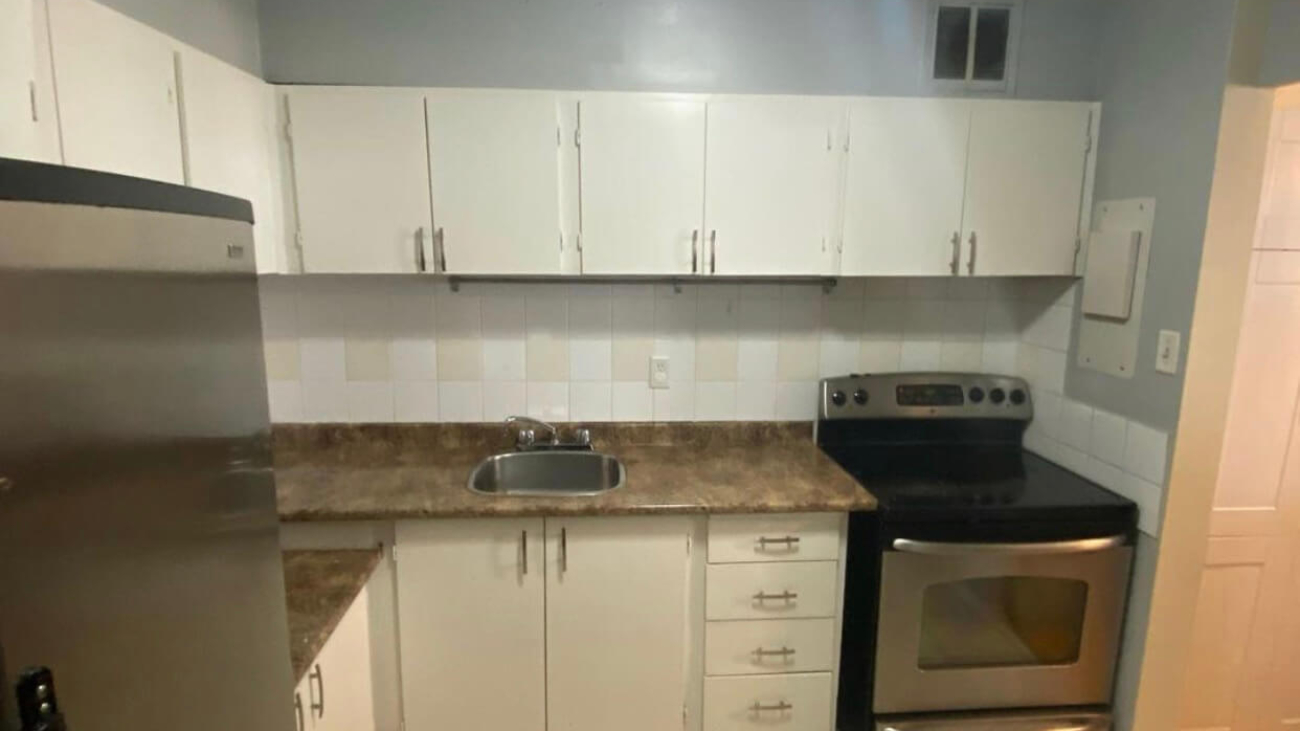
Kitchen cabinet painting contractors are specialized pros who prep, spray, and finish cabinets for a factory-grade result. For homes around 2710 St Clair Ave W in York, Toronto, hiring a vetted contractor like Paint2decor INC delivers durable finishes, clean containment, and faster turnarounds compared with DIY. This guide explains how to choose, what to expect, and how results last.
By Masoud Kakar — Paint2decor INC
Last updated: May 4, 2026
Quick Summary
Hire kitchen cabinet painting contractors when you want a smooth, durable, spray-grade finish without the mess or guesswork. Pros control dust, use pro-grade coatings, and complete most projects in several working days. Check surface prep, spray methods, references, and written warranties before you sign.
If you’re choosing between painting, refacing, or a full replace, this guide breaks down how each works, what to ask, and how to evaluate finish quality. We include a contractor checklist, a side-by-side comparison table, York/Toronto-specific tips, and expert best practices from our field work.
- What “professional cabinet painting” really includes (beyond rolling paint)
- How pros stage projects: labeling, removal, degreasing, sanding, priming, spraying, and curing
- When painting beats refacing or replacing, and when it doesn’t
- Buyer’s checklist: 18 questions to ask before you hire
- York/Toronto considerations: ventilation, winter scheduling, and building rules
- Finish durability: film build, adhesion tests, and routine maintenance
What are kitchen cabinet painting contractors?
Kitchen cabinet painting contractors are trade specialists who refinish existing cabinet doors, drawers, and boxes using controlled spray systems and durable coatings. They manage prep, masking, removal, labeling, and reinstallation. The goal is a smooth, consistent, factory-style finish with adhesion that stands up to daily kitchen use.
At Paint2decor INC, “painting” means a complete refinishing workflow. We don’t just change color; we fix micro-defects, stabilize substrates, and apply coatings engineered for abrasion and household cleaners. Typical professional projects include 40–120 individual pieces. Each piece is cleaned, sanded, primed, and sprayed in a consistent setup.
Core tasks a pro handles
- Documentation and labeling: Map doors/drawers, label hinges, and bag hardware so reassembly is exact. A 20–40 door kitchen can involve hundreds of small parts.
- Degreasing and sanding: Kitchens accumulate oils; thorough degreasing improves adhesion. Light to medium sanding evens sheen and opens the surface.
- Repairs: Fill dings, caulk hairline seams, and correct previous paint failures.
- Priming system: Bond primers reduce tannin bleed on oak/maple and stabilize MDF edges.
- Spray application: HVLP or air-assisted airless builds thin, even coats with minimal texture. 2–3 color coats are typical for full coverage.
- Curing and reassembly: Staged drying reduces print-through. Hardware is reinstalled to original alignment.
Why this matters: kitchens are high-touch zones. Drawers can cycle dozens of times daily. A factory-like film build and proper cure improve scuff resistance and cleanability. In our experience, well-prepped, sprayed cabinet finishes maintain appearance for years with routine care.
Why hiring specialists matters
Specialists deliver consistent, durable finishes while protecting your home. They control dust, manage ventilation, and use coating systems designed for cabinets. The result is a smoother film, fewer brush marks, and faster turnaround than DIY, with far less disruption to daily life.
Finish quality isn’t just about paint; it’s surface science. Adhesion depends on cleaning, sanding profile, primer choice, and dry film thickness. Even small misses—like residue left in hinge cups—can cause adhesion failure around high-touch hardware. Trained crews work in a fixed sequence to avoid these pitfalls.
- Cleaner project: Zip walls and floor protection keep traffic paths usable. Home life continues around a contained work zone.
- Consistent film build: Pros target an even mil thickness across flat fields, rails, and edges for uniform sheen.
- Schedule discipline: Many kitchens finish in several working days, often with doors sprayed off-site for speed and quality control.
- Better hardware alignment: Labeled hinges and shims mean doors hang straight and reveal lines stay even.
- Long-term durability: Properly prepped coatings resist common cleaners and minor bumps better than brushed DIY coats.
Here’s the thing: most callbacks we hear about trace to under-prep or rushed cure times. When crews follow measured dry times and handle parts on racks instead of countertops, prints and edge chips drop dramatically.
How the professional process works
Pros follow a repeatable sequence: inspect and label, remove doors and hardware, degrease, sand, repair, prime, spray color coats, cure, and reassemble. Expect controlled masking in your kitchen and a dedicated spray area for doors to achieve a uniform factory-style finish.
Step-by-step overview
- Assessment and plan: Confirm substrate types (maple, oak, MDF), note damage, and select primer/finish systems accordingly.
- Label and remove: Bag hinges/handles and mark hinge cups, keeping a clean parts inventory.
- Degrease and sand: Cleaners lift oils; sanding creates a consistent profile for bonding.
- Repairs: Fill dings, block-sand seams, and seal porous MDF edges to prevent fuzz.
- Mask and protect: Create a mini spray booth around fixed boxes; protect floors, countertops, and appliances.
- Prime: Adhesion primer locks down old finishes and blocks tannins on species like oak.
- Spray color coats: 2–3 coats build coverage with smooth, even sheen.
- Cure and reassemble: Allow proper dry times, then reinstall doors, adjust reveals, and install bumper pads.
Timeline you can expect
- Prep and masking: Often a day of onsite work, more if heavy repairs are needed.
- Spraying doors/drawers: Completed off-site or in a garage booth over 1–2 days.
- Curing and reassembly: Staged over another day or so to protect edges and sheen.
A controlled process produces repeatable results. At our York location, we maintain consistent setup patterns—from gun settings to rack spacing—so films lay down smoothly and dry lines are avoided at door edges.
Methods, materials, and finish options
Professional crews use HVLP or air-assisted airless sprayers with cabinet-grade primers and durable topcoats. Common finishes include satin and matte for fingerprint control. Modern waterborne enamels reduce odor while delivering a hard, cleanable surface for busy kitchens.
Application methods
- HVLP (high-volume, low-pressure): Fine atomization with tight control for fewer sags and minimal texture.
- Air-assisted airless: Higher production rates on large sets while maintaining a refined finish.
- Brush/roll touch-ups: Reserved for inside corners or hidden edges; final faces are sprayed for consistency.
Coating systems
- Bonding primers: Grip old lacquer or thermofoil, reduce tannin bleed on oak/maple, and level minor grain.
- Waterborne enamels: Low-odor, fast-dry chemistry that cures to a hard, scrubbable film.
- Sheens: Satin and matte hide minor handling marks; semi-gloss reflects more light but shows imperfections more readily.
For Toronto homes, we recommend cabinet-grade coatings that balance indoor air quality with durability. Smooth, low-texture films also make wipe-downs faster—useful in open-plan kitchens that gather airborne oils from adjacent cooking zones.
Buying guide: choosing a contractor in York and Toronto
Choose a kitchen cabinet painting contractor by verifying surface-prep steps, spray methods, references, and written warranties. In York and the Toronto metro, ask about winter ventilation plans, condo rules for spray work, and whether doors are finished off-site for cleaner, faster results.
Local know-how matters. Building policies vary from detached homes near Smythe Park to condo towers along transit lines. We routinely coordinate elevator bookings and lay out negative-air setups that vent outdoors so neighbors aren’t impacted.
Vetting checklist (what to ask)
- Walk me through your prep sequence from degreasing to final cure.
- Which primer and topcoat do you recommend for my substrates (oak, maple, MDF)?
- Do you use HVLP or air-assisted airless on faces? Where do you spray doors?
- How do you control dust and odor (zip walls, negative air, vented fans)?
- What timeline should I expect from masking to reassembly?
- Can I see recent local projects and speak with a reference?
- Do you provide a written warranty covering adhesion and peeling?
- How will you protect countertops and floors and map my hardware?
Local considerations for York
- Schedule spray days when family traffic is lighter; the Toronto Public Library – Daniel G. Hill Branch is a handy spot to spend an afternoon while coatings cure.
- Cold snaps change curing behavior. Plan for winter ventilation and slightly longer dry windows to protect sheen.
- Street access near Jane St at St Clair Ave West can be busy; reserve a staging spot for load-in/out of doors and racks.
When you’re ready to evaluate options, compare the detail on each quote with this page. The scope clarity around prep, spray, and protection usually predicts the final outcome.
Painting vs. refacing vs. replacing (comparison)
Painting refreshes the color and sheen of sound cabinets with minimal disruption. Refacing swaps door/drawer fronts and adds new veneer to boxes. Replacing rebuilds the entire layout. Choose painting when the layout works and boxes are solid; consider refacing or replacing for big layout or style changes.
| Option | What it involves | Best when | Disruption | Typical timeline |
|---|---|---|---|---|
| Professional painting | Prep, prime, spray doors/boxes with cabinet-grade coatings | Boxes are sturdy; you like your layout | Low (kitchen remains usable with containment) | Several working days |
| Refacing | New doors/drawers; veneer on existing boxes; new hardware | Want new door style without full rebuild | Moderate | About a week or more |
| Replacing | Demolition and new cabinet installation (often layout changes) | Boxes are failing or you need a new layout | High | Multiple weeks |
For homeowners who want a like-new look without major disruption, painting is often the most efficient path. If you’re leaning toward a door-style change, our cabinet refacing overview explains what goes into that scope.
Best practices for long-lasting results
Durable results come from meticulous prep, the right primers, controlled spray application, and patient curing. Keep film builds even, protect edges during handling, and wait the recommended window before heavy kitchen use to lock in sheen and hardness.
- Degrease thoroughly: Oils ruin adhesion. Multiple passes in cooking zones improve bond.
- Sand smart: Create a consistent profile (not bare wood everywhere). Focus on edges and high-touch zones.
- Prime for the substrate: Use stain-blockers on oak and seal MDF edges before color coats.
- Spray in thin coats: Two to three passes build smooth coverage with fewer sags.
- Cure patiently: Light use after rehang is fine; full hardness develops with time. Avoid magnets and heavy cleaners early on.
- Protect and maintain: Use soft-close bumpers, wipe spills promptly, and avoid abrasive pads on corners.
In our experience, these habits prevent the most common issues: edge chips from rough handling, sheen variations from premature cleaning, and localized peeling where oils weren’t fully removed before priming.
Tools and resources
Pro crews rely on HVLP or air-assisted sprayers, high-adhesion primers, durable waterborne enamels, and clean-room style containment. Homeowners should review product data sheets and confirm safety practices for ventilation and dust control in occupied homes.
- Spray systems: HVLP guns with fine tips lay down controlled films and reduce overspray in occupied spaces.
- Containment: Zip walls, floor protection, and vented fans keep dust and odors contained.
- Surface testing: Spot adhesion checks on a hidden area validate the system before full production.
- Maintenance kit: Touch-up vial, bumpers, and care guide to preserve sheen and corners.
For a deeper dive into process fundamentals and homeowner preparation, see this practical overview on painting kitchen cabinets in Canada. For technique walkthroughs, this step-by-step painting guide offers a helpful perspective on sequencing. And for broader planning context, compare replacing vs. refacing to understand where painting fits.
Case studies and local examples
Real kitchens show how scope and method translate to results. These York and Toronto examples illustrate how careful prep and controlled spraying deliver uniform color, straight reveal lines, and durable edges that hold up to daily use.
York semi-detached near Smythe Park
- Goal: Brighten honey oak to satin white while keeping the existing layout.
- Approach: Degrease, sand, spot-fill, stain-blocking primer, then two color coats via HVLP.
- Outcome: Uniform sheen across rails/stiles; family cooking area remained usable behind containment.
Toronto condo galley kitchen
- Goal: Low-odor process with tight scheduling and condo rules.
- Approach: Doors sprayed off-site; boxes masked and sprayed with negative air vented outdoors.
- Outcome: Minimal disruption; building management praised housekeeping and hallway protection.
Family home in York
- Goal: Refresh maple shaker fronts to a modern satin tone and update hardware.
- Approach: Edge sealing on MDF panels, satin topcoat, and careful rehang to maintain straight reveals.
- Outcome: Photo-ready finish; parents reported easy wipe-down and fewer fingerprints.
If you want to see similar transformations, our Toronto kitchen cabinet painting page outlines our approach and typical finish options. For substrate-specific insights, explore kitchen cabinet refinishing and how it supports long-term durability.
Pricing factors (without numbers)
Expect quotes to reflect scope size, cabinet material, repair needs, hardware updates, and logistics like condo access or winter ventilation. Transparent quotes outline prep, spray steps, protection measures, and warranty terms—clarity here is a strong predictor of final quality.
- Scope size: Door/drawer count and island panels influence duration and materials.
- Substrates: Oak, maple, and MDF edges have different prep needs and primer choices.
- Repairs: Fills, seam caulking, and hinge adjustments add time but prevent future issues.
- Containment and access: Condo rules, elevator bookings, or winter venting can change scheduling.
- Hardware updates: Handle changes or soft-close hinges add steps (layout, drilling, alignments).
Instead of comparing numbers alone, compare scopes. Ask contractors to show exactly how they’ll clean, sand, prime, and spray your specific materials—and how they’ll protect your home while they work.
Need a pro finish without the mess?
If you want a clean, durable, factory-style cabinet finish in the Toronto area, talk to a specialist. A focused team can stage, spray, and rehang in several working days while keeping your kitchen usable behind containment.
We focus on cabinet refinishing, refacing, and spraying for Toronto/GTA homeowners. See how we work on our cabinet spraying and cabinet painter pages, or explore cabinet refacing if you’re after a new door style.
FAQ: kitchen cabinet painting contractors
Homeowners ask about timelines, odor, finish types, and what makes pro work last. Here are clear answers to the most common questions we hear in York and across the Toronto metro.
How long does professional cabinet painting usually take?
Most kitchens are completed in several working days. Doors and drawers are sprayed off-site or in a temporary booth, while boxes are masked and sprayed in place. Careful curing protects edges and sheen before heavy use resumes.
Will there be strong paint odors in my home?
Cabinet-grade waterborne enamels keep odor low. Crews use zip walls and vented fans to move air outdoors. With this setup, families typically continue daily routines while the kitchen stays contained.
What makes a spray finish different from brush and roll?
Spraying lays down thinner, even coats with fewer marks and better edge coverage. It also helps maintain a uniform sheen across flat fields and profiles. Brushing can be useful for hidden areas, but visible faces look best sprayed.
Can you paint over thermofoil or previously painted doors?
Thermofoil and older coatings require specific primers and careful prep. A spot test on an inconspicuous area confirms adhesion. Where delamination exists, refacing may be the better path.
How do I keep the finish looking new?
Use soft cloths and mild cleaners, add bumper pads at doors, and avoid abrasive pads on edges. Wipe spills promptly and minimize heavy impacts. These habits help preserve sheen and corner integrity over time.
Key takeaways
Pro cabinet painting turns solid cabinets into a new-looking kitchen without a rebuild. Evaluate prep, spray method, and warranty—scope clarity predicts results. In York and Toronto, plan for ventilation and access, and choose a specialist with recent local references.
- Painting is ideal when boxes are sturdy and you like your layout.
- Quality hinges on prep, primer selection, and controlled spraying.
- Clear scopes and protection plans reduce disruption at home.
- Local experience in Toronto buildings speeds approvals and scheduling.
Conclusion and next steps
If your layout works and your boxes are sound, cabinet painting delivers a fast, clean transformation. Vet the process, not just the color. When you’re ready, book a walkthrough so we can tailor prep, coatings, and logistics to your home.
- Review our kitchen cabinet painting approach and finishes.
- Compare with cabinet refacing if you want a new door style.
- Prefer a high-efficiency spray path? See our spraying workflow.
Ready to refresh your space? Let’s schedule a quick conversation in York to map your kitchen and outline a clean, efficient plan.