
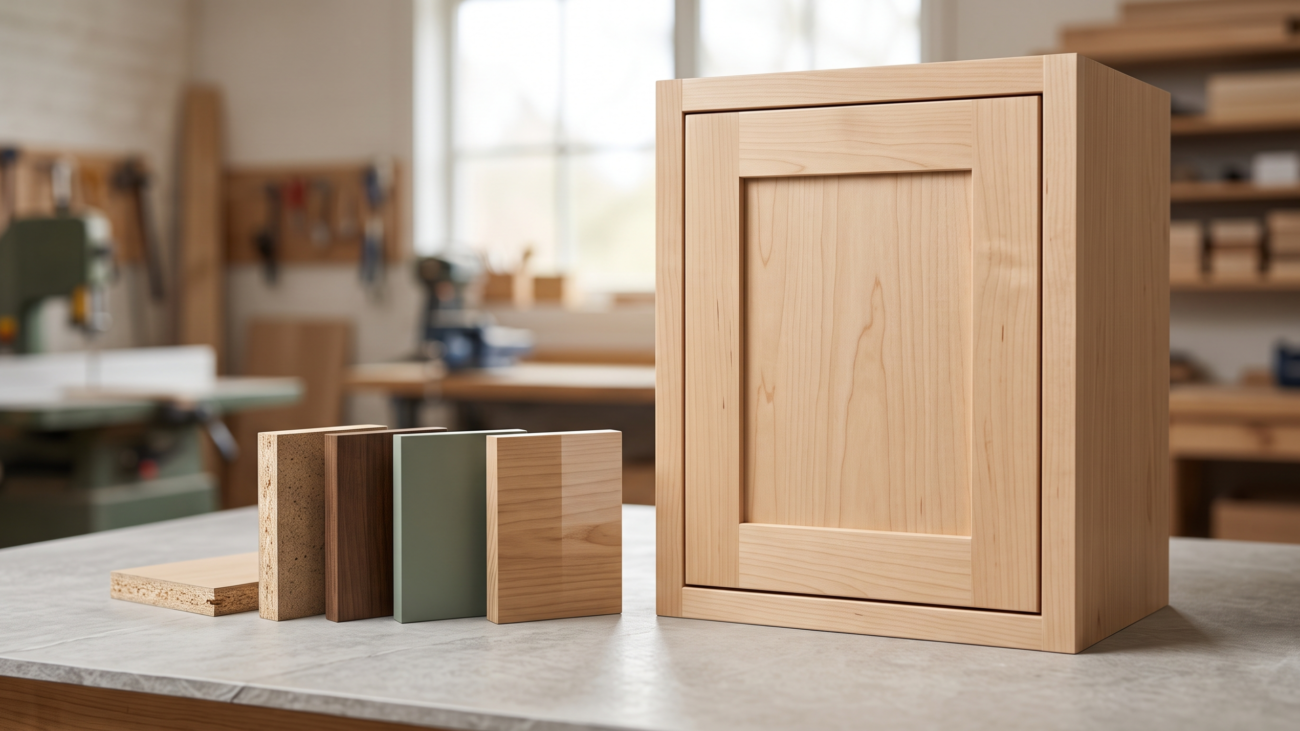
A maple-specific cabinet refinishing buyer guide
How to Choose Maple Cabinet Refinishing in Toronto
Short answer: Do not choose a maple cabinet refinishing quote from colour and price alone. Ask the provider to identify the material on doors, frames, end panels and boxes; document the existing finish and damage; define preparation and exclusions; approve a representative sample; and explain on-site protection, removed-part tracking, reassembly and final acceptance in writing.
“Maple cabinets” can describe an appearance, door material or mixed cabinet system. A kitchen may combine solid wood, veneer, engineered panels and previously repaired sections. Each surface can affect the proposed preparation and finish system, so material verification comes before a promise about the final look.
Paint2decor lists cabinet refinishing, refacing, spraying and painting among its current owned service categories. This guide does not state which method, products, warranty, price or timeline Paint2decor uses for a particular project; those details belong in the written assessment and quote.
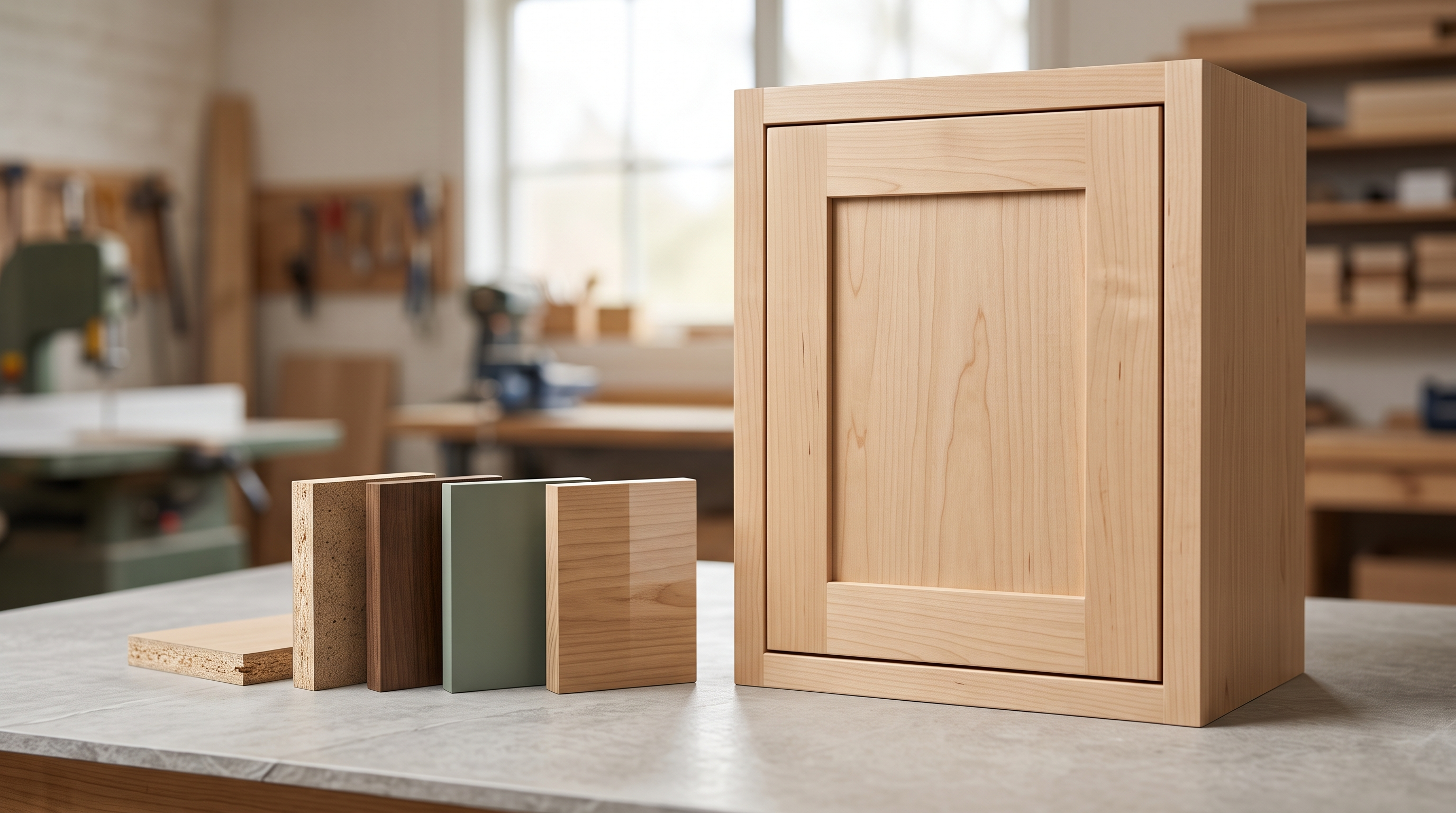
Verify what “maple cabinets” means in this kitchen
Begin with a door, drawer front, face frame, exposed end panel, crown or filler, toe kick and cabinet box. Ask the estimator to record the likely material and the basis for that assessment. Do not assume every visible surface matches the door.
The American Hardwood Information Center’s hard maple overview describes common appearance and working characteristics, but a species guide cannot identify a finished cabinet in a home. Stain, tinted clear finishes, opaque coatings, printed surfaces and veneers can disguise the substrate. When identity affects the specification, ask how it will be verified.
| Component | Questions to record | Why it affects the quote |
|---|---|---|
| Doors and drawer fronts | Solid, veneer, composite or mixed construction? Existing coating? Cracks or open joints? | Preparation, edge handling and repair scope may differ |
| Face frames or frameless edges | Which surfaces are exposed and included? | A door-only quote can leave the fixed cabinet visibly unmatched |
| End panels, fillers and crown | Same material and finish as the doors? | Colour and sheen may read differently across substrates |
| Cabinet boxes and interiors | Which exterior or interior faces are included? | “All cabinets” can mean different things to different estimators |
| Previous repairs | Peeling, silicone, grease, water damage, failed filler or unknown coating? | May require a test, repair allowance or separate specialist |
Confirm refinishing fits the cabinet condition and goal
Refinishing changes an existing surface. It does not automatically correct a failing cabinet box, damaged hinge mounting, layout problem, unsuitable panel or active moisture source. If the structure and layout work but the finish no longer does, refinishing may be worth assessing. If doors or panels are damaged beyond the agreed repair scope, refacing or selective replacement may need comparison.
Ask the provider to sort every concern into four categories:
- Included preparation: work already allowed for in the base scope.
- Quoted repair: a defined additional task with an approval path.
- Excluded condition: work the provider will not perform.
- Unknown requiring a test: a surface or coating that cannot be specified confidently at first inspection.
This prevents a sales description such as “refinish the kitchen” from hiding structural, hardware or substrate exceptions. If moisture, swelling or movement is present, identify and address the source before treating the appearance.
Build one cabinet inventory for every estimator
Quotes are difficult to compare when contractors count the project differently. Create a simple inventory with photographs and labels. Count doors and drawer fronts, but also list fixed faces, gables, island panels, fillers, crown, valances, toe kicks, open shelves and any interior surfaces in scope.
Record:
- the label and location of every removable part;
- which hinges, handles and other hardware will be removed, retained, replaced or supplied by someone else;
- holes to keep, fill or redrill, subject to material and hardware suitability;
- areas with grease, silicone, peeling, stains, cracks, dents or previous repair;
- adjacent counters, backsplash, appliances, floors and walls that need protection;
- the colour and sheen goal, including any two-tone or island exception;
- access, parking, elevator, loading and building rules at the Toronto address.
Give the same inventory to each provider and require the quote to attach or reproduce it. If the estimator changes a count or excludes a component, the difference becomes visible.
Require a representative sample and an approval rule
A small colour chip does not show how the proposed system will look on the actual cabinet profile, edges and substrate. Ask how the provider will create a representative sample and at what stage you must approve it. The sample plan should identify the substrate, preparation, finish system, colour, sheen, application conditions and viewing conditions relevant to the project.
Review the sample in the kitchen’s daylight and evening lighting, next to counters, backsplash, flooring, wall colour and hardware. Look at flat areas, edges, profiles and joints. Decide whether natural grain or surface texture is expected to remain visible; an opaque colour does not necessarily make every underlying feature disappear.
Document what sample approval means. It should not become a blanket acceptance of defects, dust, damage or scope changes. The Architectural Woodwork Institute’s standards resources illustrate the value of written finishing specifications and acceptance criteria, even though a residential project needs its own appropriate agreement.
Compare maple cabinet refinishing quotes line by line
| Quote section | What a decision-ready quote clarifies |
|---|---|
| Cabinet inventory | Included doors, drawers, frames, panels, trim, interiors and hardware tasks |
| Condition | Known coating history, damage, contamination, repairs and unresolved tests |
| Preparation | Cleaning, abrasion, repairs, masking and any condition-dependent steps in plain language |
| Finish specification | Products proposed, colour, sheen, compatibility basis and sample approval |
| Work locations | What happens on site or elsewhere and how parts are identified, transported and stored |
| Home protection | Isolation, ventilation, adjacent-surface protection, cleanup and occupant restrictions |
| Sequence | Dependencies and estimated windows, without treating them as guaranteed until confirmed |
| Exclusions and changes | Repairs, hidden conditions, hardware, electrical, plumbing, carpentry or other work outside scope |
| Acceptance and care | Inspection process, correction path and manufacturer-aligned care information |
| Commercial terms | Total basis, taxes, deposits, milestones, change authorization and cancellation terms |
Ontario’s renovation consumer guidance recommends researching contractors and using a written contract that addresses work, materials, schedule, payment and changes. Apply those principles to the complete cabinet scope rather than comparing only the bottom line.
Paint2decor publishes an owned process page. Use it to prepare questions, then ask which steps and products apply to your maple or mixed-material cabinets. A website process is not a substitute for the project specification.
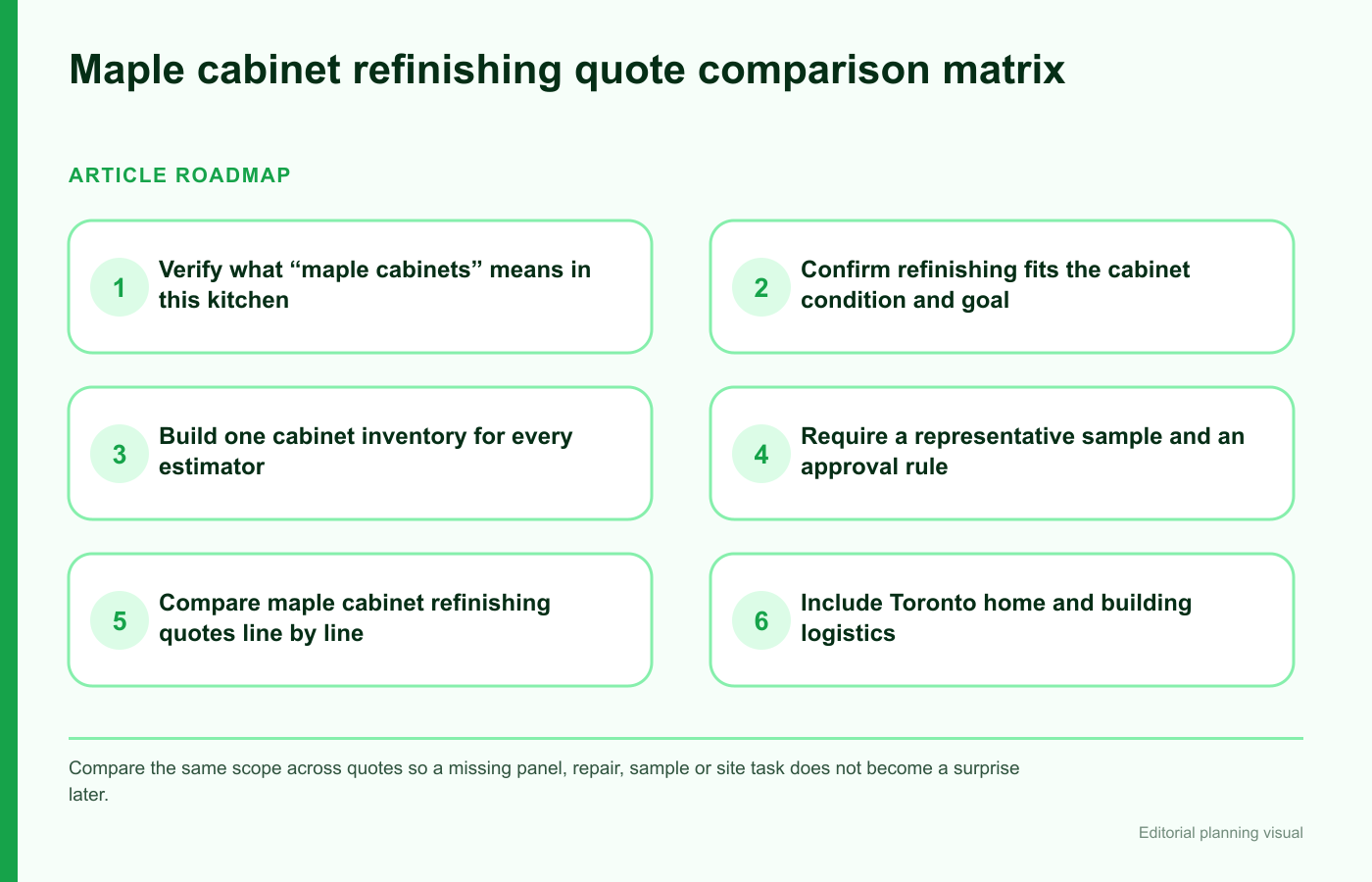
Include Toronto home and building logistics
A technically sound finish still needs a workable site plan. Confirm whether the address is within the provider’s current service area; do not infer eligibility from the word Toronto alone. Identify parking restrictions, loading access, elevator booking, concierge requirements, working hours and waste rules where applicable.
For an occupied home, ask which rooms and appliances remain usable, who moves and reinstalls contents, how pets and children are kept away from work zones, what ventilation or re-entry instructions apply to the specified products, and how daily cleanup is handled. Product labels and safety information should control use, not generic assumptions.
Decide who coordinates plumbing, electrical, counters, backsplash, carpentry or new hardware if those tasks intersect with the cabinet schedule. A named dependency is easier to manage than a late surprise.
Set final inspection and care expectations before work starts
Create the acceptance list from the approved sample and scope. Inspect included surfaces under agreed lighting, check that labelled parts and retained hardware are returned, verify doors and drawers operate, review adjacent surfaces, and record any correction items without diagnosing their cause.
Ask for the actual product information and care instructions used on the project. “Dry” and “fully ready for normal use” may not mean the same thing; follow the project-specific manufacturer and provider guidance. Keep the quote, changes, sample approval, labels, invoice and handover record together.
A warranty or guarantee should never be assumed. If one is offered, read what it covers, excludes, requires and how a claim is made. Compare the written terms, not a verbal phrase.
Red flags and buying mistakes to avoid
- Calling every component maple. Mixed materials can need different decisions.
- Accepting a door count as the full scope. Frames, panels and trim may be missing.
- Skipping finish-history questions. Unknown coatings or repairs can change the assessment.
- Approving colour without a representative sample. Light, sheen and substrate affect appearance.
- Comparing unlike quotes. A lower total may simply exclude repairs, fixed faces or site tasks.
- Accepting unnamed products. Request the proposed system and information relevant to use and care.
- Leaving hardware changes until reassembly. New holes or fit can require separate work.
- Assuming a price, timeline or warranty from a blog. Confirm every commercial term in writing.
Frequently asked questions
Can maple cabinets be painted?
Many maple or maple-faced cabinets may be candidates for an opaque finish, but suitability depends on the actual substrate, existing coating, condition, preparation and proposed system. Request an assessment and representative test.
Will maple grain disappear after refinishing?
Do not assume it will. Grain, joints, texture and previous repairs may remain visible to some degree. Use a representative sample to agree on the intended appearance.
Is cabinet refacing the same as refinishing?
No. Refinishing changes existing surfaces. Refacing generally changes visible skins and often doors or drawer fronts. Compare the exact components, condition and goal rather than relying on labels.
How much does maple cabinet refinishing cost in Toronto?
A reliable figure needs the cabinet inventory, substrate, condition, repairs, finish specification, hardware, access and site scope. Obtain written quotes against the same brief instead of applying a generic number.
How long will the project take?
Timing depends on the approved scope, tests, repairs, work locations, products, sequencing and site constraints. Ask for the project-specific schedule, dependencies and change process.
Request a maple-specific assessment from Paint2decor
Photograph and label every cabinet component, record the finish history and damage you know, and prepare your colour, sheen, hardware and site-logistics questions. Review Paint2decor’s current articles, then use its contact route to ask whether the Toronto address and maple or mixed-material scope are eligible. Request the actual preparation, products, sample, inclusions, exclusions, price, timing and warranty terms in writing.
General renovation-planning information only. Cabinet material, coating compatibility, safety, scope, products, price, timing, service area, availability and warranty require project-specific confirmation.