
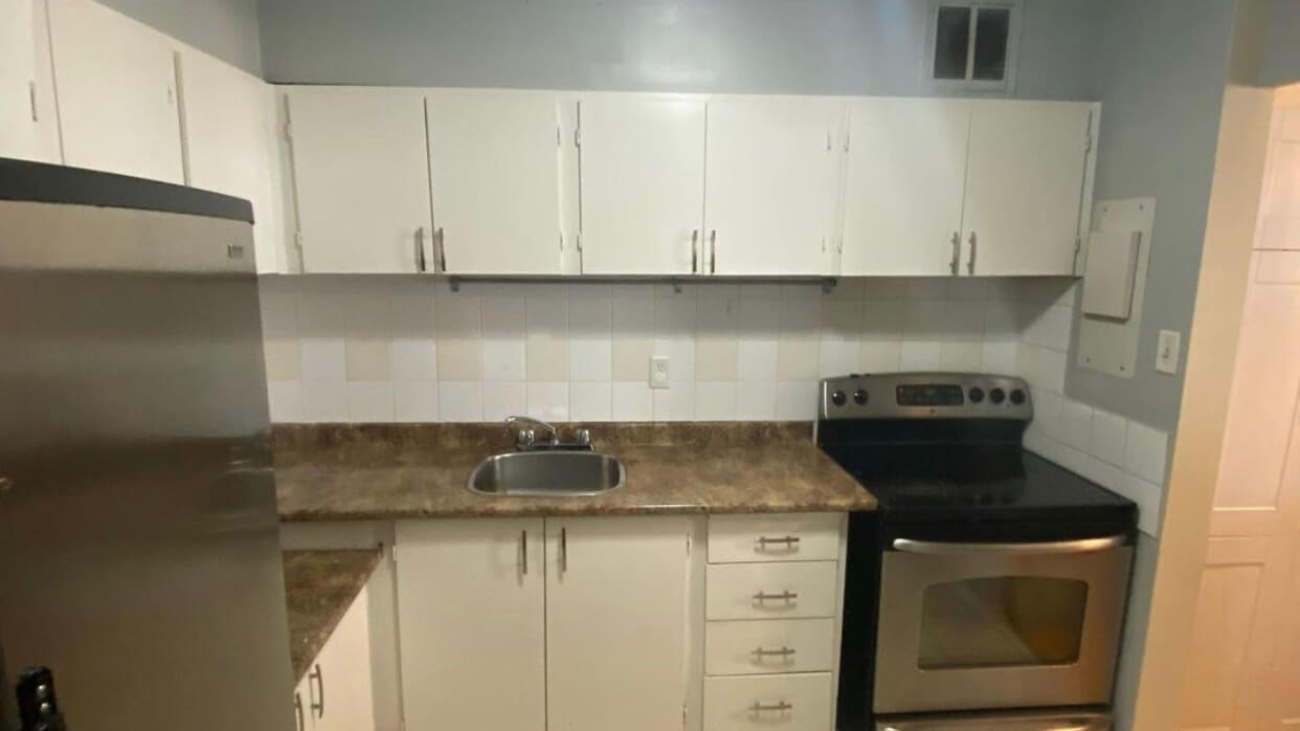
Cabinet refacing contractors replace worn doors and drawer fronts, apply new veneer to cabinet boxes, and update hardware to deliver a like-new kitchen faster than a full renovation. In York (Toronto), Paint2decor INC at 2710 St Clair Ave W specializes in refacing, refinishing, and spray painting for homeowners who want a durable, modern look without weeks of disruption.
By Masoud Kakar, Paint2decor INC • Last updated: 2026-05-02
Overview and table of contents
This complete guide explains what cabinet refacing is, why experienced contractors matter, how the process works, which materials to choose, and how refacing compares to refinishing and full replacement. You’ll get checklists, quality standards, and York/Toronto-specific tips to plan a smooth, high‑quality makeover with minimal downtime.
Use this quick roadmap to jump to the section you need.
- What is cabinet refacing?
- Why cabinet refacing contractors matter
- How cabinet refacing works (step-by-step)
- Types of refacing and materials
- How to choose the right contractor in Toronto
- Refacing vs. refinishing vs. replacement (comparison)
- Best practices and quality standards
- Tools, materials, and resources
- Case studies: York and Toronto kitchens
- FAQ
- Key takeaways and next steps
- Related guides from our cabinet series
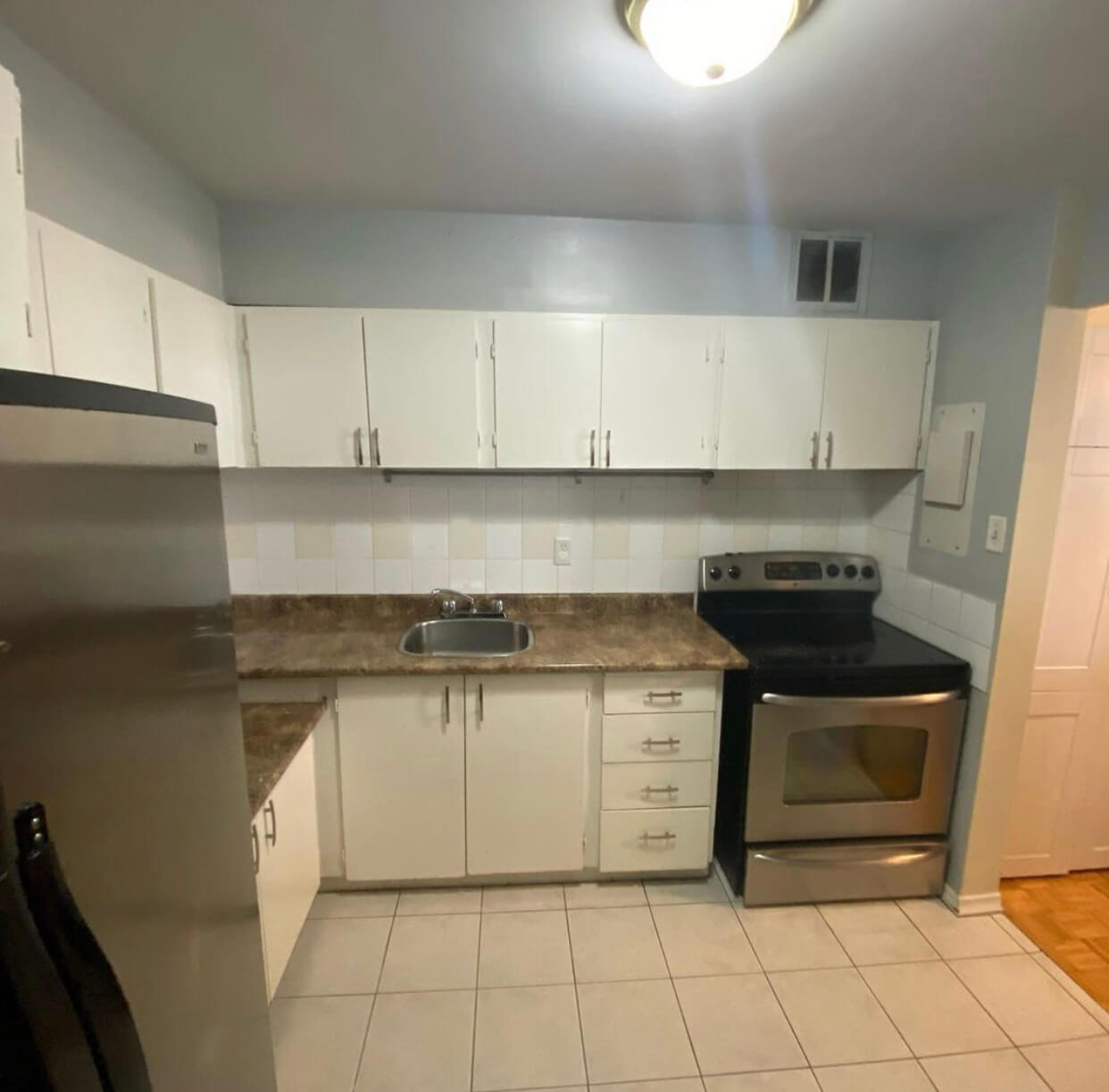
What is cabinet refacing?
Cabinet refacing is the professional upgrade of cabinet exteriors: contractors replace doors and drawer fronts, apply new veneer or laminate to face frames and exposed sides, and finish with updated hardware. The result keeps your existing boxes, shortens timelines, and delivers a fresh style without the tear‑out of full replacement.
Refacing focuses on what you see and touch every day while preserving structurally sound cabinet boxes. It’s ideal when you like your kitchen’s layout but want new style, color, and durability. In our York shop work and on‑site visits, we prepare, veneer, and finish components so your home stays functional and tidy.
- Main elements replaced: doors, drawer fronts, surface skins, toe kicks, light valances, and visible end panels.
- What stays: cabinet boxes, shelves, and internal hardware if in good condition (or upgraded to soft‑close).
- Finishing options: factory-finished doors, spray‑applied coatings, wood veneers, and high‑pressure laminates.
- Good fit for: unchanged layouts, solid box construction, and homeowners seeking minimal disruption.
For Toronto homeowners comparing pathways, we also deliver full kitchen cabinet refinishing in Toronto and precision cabinet repainting and refinishing services when resurfacing isn’t the best match.
Why cabinet refacing contractors matter
Experienced cabinet refacing contractors control dust, deliver factory‑level spray finishes, and ensure veneers bond cleanly to existing boxes. Skilled teams sequence removal, prep, and installation so your kitchen stays usable. The difference shows up in door alignment, finish durability, and a project that runs on time.
Here’s the thing: refacing looks simple, but real quality hides in the prep and sequencing. We’ve seen DIY attempts where veneer seams telegraph, door gaps vary, or finishes chip because surfaces weren’t degreased or scuff‑sanded correctly. A pro team brings systems—documented steps, spray equipment, and controlled conditions.
- Finish durability: Professional spray application creates even film build and better adhesion than brush-only methods.
- Door geometry: Consistent reveals and soft‑close hardware rely on accurate drilling, shimming, and hinge calibration.
- Surface integrity: Proper veneer prep avoids failure on high‑touch edges and around appliances.
- Home protection: Zip walls, HEPA vacuums, and clean jobsite habits keep your home livable during work.
In our experience across the GTA, the most common homeowner regret is underestimating finish science. Spray finishing in a booth with the right tip size, temperature, and flash times produces the smooth, durable results people expect.
How cabinet refacing works (step-by-step)
Refacing follows a defined sequence: assess boxes, document sizes, remove doors/drawers, prep and degrease, apply veneers to frames and sides, spray-finish new doors, then install hardware and align. Good contractors stage the work to limit downtime and protect adjacent surfaces.
When we manage a reface, our goal is a clean, predictable experience. You get a clear schedule, daily cleanup, and a single point of contact. Below is the simplified workflow we share with homeowners before we start.
- Assessment and planning: Verify cabinet box integrity, hinge patterns, and reveal targets; confirm door style and finish.
- Site protection: Mask counters, floors, and appliances; isolate work zones; set HEPA filtration.
- Removal and labeling: Carefully remove and label doors/drawers; catalog hinge locations and hardware.
- Surface preparation: Degrease, degloss, and scuff-sand face frames and end panels; address minor repairs.
- Veneer/laminate application: Bond new skins to face frames and exposed sides; roll out seams; trim edges cleanly.
- Spray finishing: Finish new doors/drawer fronts in a controlled booth; target smooth, even sheen.
- Reinstallation: Hang doors, fit drawers, install pulls/knobs; calibrate hinges for consistent gaps.
- Final checks: Walkthrough, touch-ups, care guidance, and aftercare recommendations.
Pro tip: document hinge adjustments and reveal targets during removal. That record speeds final alignment and reduces callbacks.
Types of refacing and materials
Refacing materials fall into four common families: real‑wood veneers, rigid thermofoil (RTF), high‑pressure laminate (HPL), and painted MDF/wood doors. Matching materials to your home’s wear patterns and style goals is the fastest path to a long‑lasting, easy‑to‑clean finish.
Materials influence look, cleanability, and edge performance. In busy Toronto kitchens, we often pair paint‑grade shaker doors with durable spray finishes and veneer or HPL skins on frames for a consistent appearance.
- Real‑wood veneer: Warm, natural grain; can be clear‑coated or stained. Requires careful edge protection at dishwashers and sinks.
- RTF (thermofoil): Seamless, easy‑clean surfaces; sensitive to prolonged high heat—use heat shields at ovens.
- HPL (laminate): Highly durable skins for frames and ends; wide color/pattern options; great for contemporary looks.
- Painted doors (MDF/wood): Crisp profiles and endless colors; professional spray finishes provide the best feel and longevity.
Curious about door profiles and aesthetics? Explore styles, then align them with your space plan and lighting. For deeper inspiration, see this industry guide on modern cabinet door profiles and compare how panel depth changes the mood.
How to choose the right contractor in Toronto
Choose a refacing contractor with specialized cabinet experience, a documented spray process, and local project photos. Verify door style options, veneer sources, scheduling, and cleanup protocol. In York/Toronto, prioritize teams with consistent reviews and transparent communication from consult to final walkthrough.
Picking the right partner sets your whole project up for success. We recommend a short due‑diligence checklist to separate surface‑level promises from proven process.
- Portfolio depth: Ask for before/after photos of at least 5 recent refaces in the GTA.
- Process clarity: Request a written step‑by‑step; compare it with our published preparation guidelines.
- Finish capability: Confirm spray‑booth finishing and sample boards of actual coatings.
- Material transparency: Doors, veneers, and laminates should be named products with spec sheets.
- Aftercare plan: Expect care instructions and a post‑project check‑in.
- Local credibility: HomeStars recognition and steady reviews reflect consistency over time.
Local considerations for York
- Scheduling around traffic: Access near Jane St at St Clair Ave West can affect morning arrival; window your site start times accordingly.
- Seasonal planning: Toronto humidity swings influence coating cure and veneer handling; controlled environments reduce risk.
- On‑site protection: If you’re near Smythe Park where airflow can be brisk, maintain dust control with sealed work zones and HEPA vacuums.
Want to see how our process maps to your space? Review our dedicated page for kitchen cabinet refacing in Toronto and compare finish options side by side.
Thinking about a reface? Book a quick assessment to review door styles, spray finishes, and timeline. We’ll map a plan that keeps your kitchen usable.
Request a consultation to get personalized recommendations.
Refacing vs. refinishing vs. replacement (comparison)
Refacing changes your cabinet exteriors with new doors and skins while keeping boxes. Refinishing repaints or re‑stains existing doors and frames. Replacement removes everything for new boxes and layout. Choose refacing for fast style change, refinishing for budget‑friendly color shifts, and replacement for full layout changes.
Each path solves a different problem. If your boxes are sound and the layout works, refacing delivers a dramatic style reset with the least disruption. If your doors are solid and you love the profile, refinishing may be smarter. If storage, flow, or appliance locations must change, replacement is the right call.
| Approach | What changes | Best when | Timeline | Disruption | Style flexibility | Notes |
|---|---|---|---|---|---|---|
| Refacing | New doors/skins | Boxes are sound; layout stays | Often days | Low | High | Update hardware; add soft‑close |
| Refinishing | Repaint/re‑stain | Doors are good; want color change | Days to a week | Low‑moderate | Moderate | Great for classic profiles |
| Replacement | Full tear‑out/new boxes | Layout/storage must change | Weeks | High | Unlimited | Coordinate trades and permits |
If you’re comparing paths, our refacing overview and refinishing guide show clear before/afters to help decide.
Best practices and quality standards
Quality refacing hinges on surface prep, controlled spray finishing, and clean veneer application. Look for HEPA dust control, accurate hinge boring, consistent reveals, and documented aftercare. These standards protect your home, extend finish life, and keep doors aligned through seasonal movement.
Over hundreds of GTA projects, we’ve found repeatable practices that raise outcomes across styles and materials.
- Prep discipline: Degrease and scuff every bonding surface; confirm adhesion with test patches.
- Edge performance: Heat‑resistant shields at ovens for RTF; sealed edges near dishwashers and sinks.
- Hardware precision: Jig‑guided drilling; soft‑close hinges; accurate handle spacing.
- Spray controls: Proper tip size, temperature, and flash times for smooth film build.
- Clean jobsite: Daily cleanup, sealed zones, and respectful communication.
Curious how finishes feel in person? We provide sample boards during consults, so you can see sheen, color accuracy, and edge details before we start.
Tools, materials, and resources
Successful refacing uses precise measuring tools, dust control, surface prep abrasives (often 120–220 grit), high‑bond adhesives, quality veneers/laminates, and professional HVLP spray systems. Reliable resources help you verify material specs, finish care, and health/safety practices for your household.
Use these references to evaluate materials and methods as you plan your project, and pair them with our in‑home consults.
- Material specs: Ask vendors for door core, veneer species, and laminate wear ratings.
- Surface prep: Confirm degreaser compatibility and proper abrasion levels.
- Health and safety: Read respirator and ventilation guidance for spray finishing tasks.
- Care and cleaning: Use non‑abrasive cleaners and microfiber cloths; avoid harsh solvents.
For background reading on paint processes, this industry article explains cabinet painting process steps so you can compare finishing workflows. If you’re weighing a full renovation path, review this explainer on melamine vs. plywood cabinet boxes to understand substrate differences.
Case studies: York and Toronto kitchens
Real projects show how contractor process drives results. In York and across Toronto, we’ve refaced kitchens that needed modern style, better hardware, and durable finishes—without changing layouts. These snapshots highlight goals, constraints, and outcomes homeowners can expect.
Each home is different, but patterns repeat: strong boxes, dated doors, and a desire to speed up the makeover. Here are three examples from our local workflow.
York semi-detached: layout kept, look transformed
- Goal: Replace dated raised‑panel oak with a warm white shaker and brushed‑nickel hardware.
- Constraint: Keep counters and backsplash intact; maintain daily cooking.
- Approach: Paint‑grade shaker doors, HPL skins on frames, soft‑close hinges and glides.
- Result: Brighter space, aligned reveals, quiet hardware—no layout change needed.
Toronto condo: maximize durability in a compact kitchen
- Goal: Contemporary flat‑panel doors with a satin spray finish that resists fingerprints.
- Constraint: Limited on‑site space; strict condo rules on work hours.
- Approach: Off‑site spray finishing, on‑site box skins, precise scheduling and daily cleanup.
- Result: Sleek, consistent sheen and no disruption to neighbors.
Family home near parks: kid‑proof and easy to clean
- Goal: Durable, easy‑wipe surfaces to stand up to heavy use.
- Constraint: Busy household; kitchen must stay usable throughout.
- Approach: HPL frame skins, paint‑grade shaker doors with professional spray topcoats.
- Result: Resilient finish and tidy jobsite, with cooking uninterrupted.
For more transformations, browse our refacing showcase alongside our broader cabinet refinishing portfolio.
Frequently asked questions
Homeowners often ask how refacing differs from painting, what to expect during the process, and how to prepare their space. These concise answers cover the essentials so you can plan confidently and keep your kitchen running during the upgrade.
What do cabinet refacing contractors replace?
They replace doors and drawer fronts and cover exposed cabinet frames with new veneer or laminate. Contractors also update visible end panels, toe kicks, and hardware. Your existing cabinet boxes stay, which shortens timelines and reduces disruption compared with full replacement.
How long does a typical refacing project take?
Most homes see the on‑site portion measured in days rather than weeks, since boxes remain. Doors are finished off‑site in a spray booth while frames are skinned on‑site. Clear scheduling and daily cleanup help keep your kitchen usable throughout.
When is refinishing a better option than refacing?
Choose refinishing when your doors are in good shape and you love their profile, but you want a new color or sheen. Refacing is better when you want a different door style or need to refresh worn edges and visible end panels.
Can I upgrade to soft‑close hardware during refacing?
Yes. Refacing is the perfect moment to add soft‑close hinges and glides. Contractors re‑drill with jigs for accuracy and align reveals so doors close smoothly and quietly. It’s a small upgrade that makes a big daily difference.
How do I prepare my kitchen for refacing?
Clear counters, empty the first few inches of front‑row items in cabinets, and create a small staging area. We protect floors and appliances, isolate work zones, and maintain daily cleanup so your household can keep cooking during the project.
Key takeaways and next steps
Refacing refreshes style fast by keeping cabinet boxes and upgrading exteriors. The right contractor controls dust, sequences work cleanly, and delivers factory‑level finishes. Review materials, process, and local logistics, then book a consult to lock your plan and timeline.
- Refacing = new doors/skins; boxes stay, disruption stays low.
- Contractor process drives durability and alignment quality.
- Match materials (veneers, HPL, painted doors) to wear patterns.
- Use checklists for portfolio, process, and aftercare.
- Plan around York/Toronto access and seasonality.
Ready to explore options? Start with our Toronto refacing overview or chat about professional cabinet refinishing to see which path fits best.
Related guides from our cabinet series
These guides expand your choices: explore step‑by‑step prep, sustainability, and refinishing approaches. Skim them to compare workflows and decide whether refacing, refinishing, or repainting best matches your layout, timeline, and style goals in the GTA.
If you’re mapping your project, our articles on cabinet prep best practices and sustainable refinishing in Toronto will help you plan a cleaner, smoother experience from day one.
We also recommend reading this comparison on replacing vs. refacing to frame your decision before you lock designs.