White vs Gray Kitchen Cabinets: Which Lasts Longer? 2025 Guide

White vs Gray Kitchen Cabinets: Which Will You Love in 5 Years?

Choosing between white and gray kitchen cabinets represents one of the most common dilemmas Toronto homeowners face when updating kitchens. Both colors offer timeless neutral foundations, but each creates distinctly different atmospheres, maintenance requirements, and long-term satisfaction levels. Understanding these differences helps you select the color you’ll genuinely love years after installation rather than second-guessing your decision.

The white versus gray cabinet debate dominates kitchen design conversations because both options deliver broad appeal, strong resale value, and versatile styling possibilities. However, the choice between these seemingly similar neutrals significantly impacts your kitchen’s mood, perceived size, and daily experience. Making informed decisions requires looking beyond Pinterest inspiration to consider practical factors like lighting conditions, maintenance preferences, and personal style authenticity.

This comprehensive comparison reveals the honest pros and cons of white versus gray kitchen cabinets, helping you determine which color aligns with your specific space, lifestyle, and long-term satisfaction. Whether you’re refinishing existing cabinets or selecting colors for new installations, understanding these distinctions prevents costly color regret.

Quick Answer: White or Gray Cabinets?

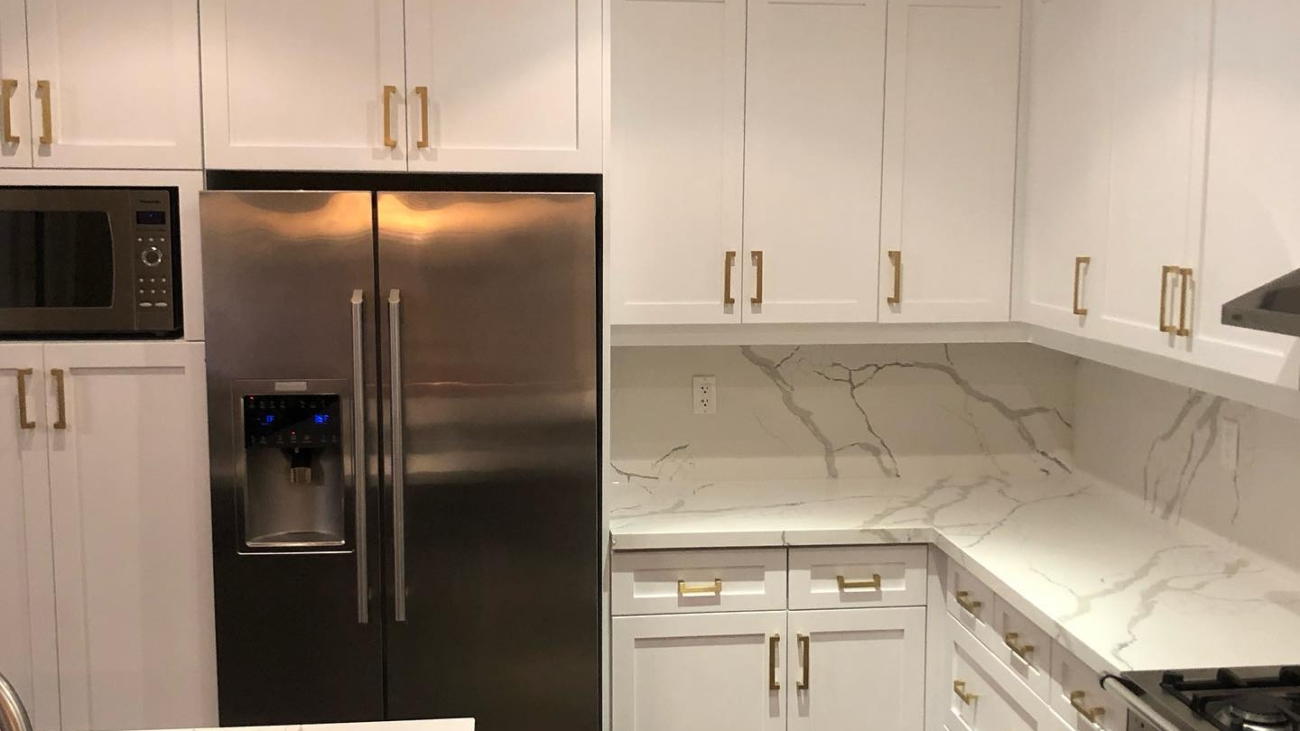
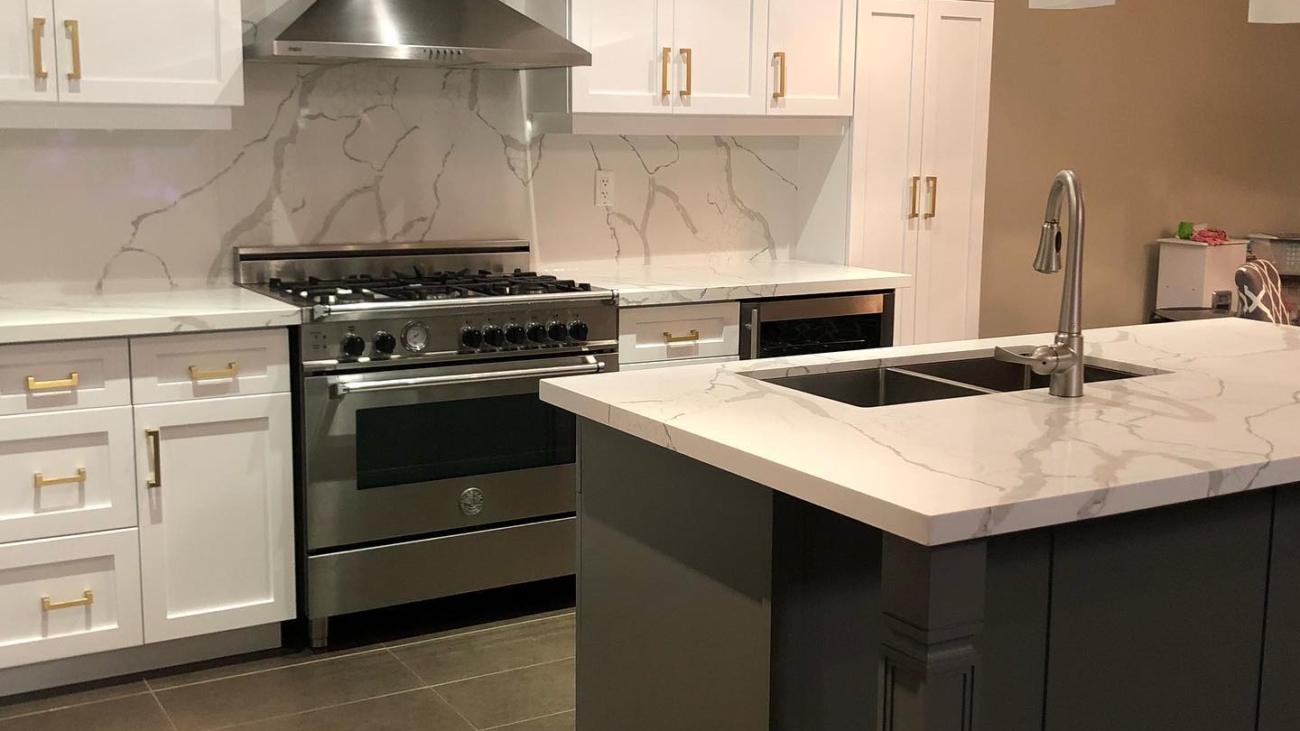
White cabinets maximize brightness and space perception—ideal for small or dark kitchens, traditional styles, and maximum resale appeal.

Gray cabinets offer sophisticated warmth and hide dirt better—perfect for contemporary styles, larger kitchens, and design-forward homeowners.

White Kitchen Cabinets: The Timeless Classic Choice

White cabinets maintain their position as North America’s most popular kitchen color, consistently accounting for approximately forty percent of all cabinet installations and refinishing projects. This enduring preference stems from white’s remarkable versatility, light-reflecting properties, and ability to create clean, fresh aesthetics across diverse architectural styles.

✓ White Cabinet Advantages

  • Maximize Brightness: White reflects light beautifully, making kitchens feel larger and more open—particularly valuable in Toronto’s urban homes where natural light may be limited
  • Timeless Appeal: White never truly goes out of style, providing longevity that transcends passing design trends
  • Versatile Styling: Works seamlessly with any countertop material, backsplash design, flooring color, and hardware finish
  • Strong Resale Value: Broad buyer appeal makes white cabinets safe investments for homeowners planning to sell within five to ten years
  • Traditional to Modern: Adapts beautifully to both classic traditional kitchens and sleek contemporary spaces
  • Easy Touch-Ups: White paint for repairs readily available, making maintenance straightforward

✗ White Cabinet Challenges

  • Shows Dirt Readily: Fingerprints, cooking splatters, and grime appear more obviously on white surfaces, requiring frequent cleaning
  • Can Feel Sterile: Without proper warming elements like wood tones or brass hardware, all-white kitchens may feel cold or clinical
  • Yellowing Concerns: Lower-quality white paints may yellow over time, particularly in kitchens with gas appliances or heavy cooking
  • Less Distinctive: White’s popularity means your kitchen may lack unique personality or memorable character
  • Maintenance Intensity: Keeping white cabinets looking pristine requires regular cleaning and eventual repainting sooner than darker colors

Best White Cabinet Shades for Toronto Kitchens

Not all whites appear equal—undertones dramatically affect how white cabinets look in your specific lighting conditions. Cool whites with blue undertones feel crisp and modern but may appear stark in north-facing kitchens with limited natural light. Warm whites containing slight yellow or cream undertones create inviting warmth while maintaining brightness. Popular choices include Benjamin Moore’s Simply White (warm neutral), Sherwin-Williams’ Pure White (true neutral), and Benjamin Moore’s Cloud White (soft warm).

Gray Kitchen Cabinets: The Sophisticated Modern Alternative

Gray cabinets surged in popularity over the past decade, offering homeowners seeking contemporary sophistication an alternative to ubiquitous white while maintaining neutral versatility. This color choice signals design awareness and provides depth that pure white cannot achieve, creating kitchens feeling intentionally curated rather than builder-grade basic.

✓ Gray Cabinet Advantages

  • Sophisticated Aesthetic: Gray conveys contemporary elegance and designer quality without bold color commitment
  • Hides Imperfections: Shows dirt, fingerprints, and wear less obviously than white, reducing apparent maintenance needs
  • Adds Depth: Creates visual interest and dimension that pure white cannot provide
  • Trending Appeal: Currently very popular, making homes feel updated and on-trend for buyers
  • Versatile Pairing: Works beautifully with both warm and cool accent colors, stainless appliances, and various countertop materials
  • Forgiving: Minor damage and aging appear less noticeable on gray compared to crisp white surfaces

✗ Gray Cabinet Challenges

  • Can Feel Heavy: Dark grays may make small kitchens feel closed-in or cave-like without adequate lighting
  • Trend Risk: While currently popular, gray’s strong trend association may eventually feel dated compared to timeless white
  • Undertone Complexity: Gray’s undertones (blue, green, purple) can clash unexpectedly with existing finishes if not carefully selected
  • Lighting Sensitivity: Gray appears dramatically different under various lighting conditions, requiring careful testing in your specific space
  • Narrower Appeal: Some buyers prefer traditional white, potentially impacting resale in conservative markets

Choosing the Right Gray Shade

Gray cabinet selection proves more complex than white due to undertone variations significantly impacting appearance. Warm grays containing beige undertones (greige) feel inviting and work well with wood floors and brass hardware. Cool grays with blue undertones create crisp contemporary aesthetics pairing beautifully with stainless steel and marble. Popular choices include Sherwin-Williams’ Repose Gray (warm neutral), Benjamin Moore’s Chelsea Gray (rich medium), and Sherwin-Williams’ Agreeable Gray (warm greige).

Head-to-Head Comparison: White vs Gray Kitchen Cabinets

Factor White Cabinets Gray Cabinets
Light Reflection Excellent – maximizes brightness Good – depends on shade depth
Space Perception Makes rooms feel larger Moderate – darker shades can compress
Maintenance Visibility High – shows dirt readily Low – hides imperfections well
Style Versatility Excellent – works with any style Good – best in contemporary settings
Resale Appeal Excellent – broadest buyer appeal Good – appeals to design-conscious buyers
Trend Longevity Timeless – never dates Good – but tied to current trends
Warmth Factor Can feel cool without warm accents Naturally warmer, more grounded
Design Impact Clean, fresh, classic Sophisticated, contemporary, distinctive

Which Color Works Best for Your Toronto Kitchen?

Selecting between white and gray cabinets requires evaluating your specific kitchen characteristics, lifestyle needs, and personal preferences beyond generic design advice.

Choose White Cabinets If:

  • Your Kitchen Is Small: White maximizes perceived space in compact Toronto kitchens, particularly valuable in condominiums and older homes with smaller layouts
  • Natural Light Is Limited: North-facing kitchens or those with small windows benefit enormously from white’s light-reflecting properties
  • You Prefer Traditional Style: White cabinets feel authentic in classic, transitional, and farmhouse kitchen designs
  • Resale Timeline Is Short: Planning to sell within three to five years makes white’s broad appeal particularly valuable
  • You Want Maximum Flexibility: White provides the most versatile foundation for changing decor, hardware, and accent colors over time
  • Cleanliness Matters Most: Despite showing dirt, white’s cleanliness associations matter more to you than maintenance convenience

Choose Gray Cabinets If:

  • Your Kitchen Is Large: Spacious kitchens with abundant natural light accommodate gray’s depth without feeling oppressive
  • You Love Contemporary Design: Gray feels authentic in modern, industrial, and transitional kitchen styles
  • Maintenance Simplicity Appeals: Gray’s ability to hide fingerprints and minor wear reduces apparent cleaning needs
  • You Want Distinctive Style: Gray offers personality and sophistication that ubiquitous white cannot provide
  • This Is Your Forever Home: Long-term homeowners can embrace personal color preferences without resale concerns
  • You Have Excellent Lighting: Abundant natural and artificial light prevents gray from feeling heavy or dark

The Best of Both: Two-Tone Cabinet Combinations

Many Toronto homeowners discover their perfect solution combines white and gray strategically rather than choosing exclusively. Two-tone kitchens featuring white upper cabinets with gray lowers offer the best of both colors—brightness and spaciousness from white uppers, grounding sophistication from gray lowers that also hide wear better near the floor.

Paint2Decor’s Two-Tone Recommendations

Two-tone cabinet combinations rank among our most requested refinishing projects in Toronto. The classic white-upper-gray-lower configuration works beautifully in ninety percent of kitchens, providing visual interest without overwhelming spaces. We typically recommend keeping contrast moderate—pairing bright white with soft gray rather than stark white with charcoal creates sophisticated results without dramatic impact.

Alternative two-tone approaches include painting perimeter cabinets one color while creating contrasting kitchen islands, or using gray on lower cabinets and open white shelving above. These variations allow personalization while maintaining design cohesion.

Resale Value Considerations: White vs Gray Kitchen Cabinets

Real estate implications influence many cabinet color decisions, particularly for homeowners planning to sell within five to ten years. Understanding how each color impacts buyer perception and home valuation guides strategic investment decisions.

White Cabinets and Home Value

White cabinets appeal to approximately seventy-five to eighty percent of homebuyers, making them the safest choice for maximizing market appeal. Real estate professionals consistently report that white kitchens photograph beautifully for listings, appeal across demographics, and allow buyers to envision their personal style easily. White cabinets typically add three to five percent to home value in Toronto’s competitive market.

Gray Cabinets and Home Value

Gray cabinets appeal strongly to design-conscious buyers and younger demographics (millennials and Gen Z) who appreciate contemporary aesthetics. However, they may polarize traditional buyers preferring classic white. Gray cabinets typically add two to four percent to home value, slightly less than white but still providing positive returns. The key lies in selecting appropriate gray shades—soft warm grays outperform dark cool grays in resale scenarios.

The Verdict for Selling Toronto Homes

If selling within three years, white offers maximum safety and broadest appeal. If selling in five to ten years, gray remains relevant and appealing, particularly in urban Toronto neighborhoods where design-forward buyers concentrate. For forever homes, personal preference should trump resale considerations entirely—you’ll enjoy your choice daily for decades, making satisfaction far more important than hypothetical future buyer preferences.

2025 Trend Insight

While gray dominated 2015-2020, white is experiencing resurgence as homeowners tire of trendy grays showing age. However, this doesn’t mean gray is “out”—quality gray cabinets remain beautiful and relevant. The shift indicates that white’s timeless nature provides longer satisfaction compared to any trending alternative, including gray.

Can’t Decide Between White or Gray?

Our free color consultation includes large samples you can view in your actual kitchen lighting. See both options before committing!

Book Your Free Color Consultation

Frequently Asked Questions About White vs Gray Kitchen Cabinets

Which is more popular, white or gray kitchen cabinets?

White cabinets remain more popular overall, accounting for approximately forty percent of kitchen projects compared to gray’s twenty-five percent. However, gray’s popularity varies by region and demographic—urban Toronto neighborhoods with younger homeowners show stronger gray preferences, while suburban areas favor traditional white. Both colors deliver excellent results when properly executed and thoughtfully selected.

Do gray kitchen cabinets go out of style?

While gray surged as a trend in recent years, quality gray cabinets won’t suddenly become dated or ugly. However, gray does carry trend associations that white avoids entirely. Gray cabinets installed today will likely feel less timeless in fifteen to twenty years compared to white, but they’ll remain attractive and functional. Choose gray if you love it genuinely, not simply because it’s currently trendy, ensuring long-term satisfaction regardless of future design shifts.

Are white or gray cabinets easier to keep clean?

Gray cabinets show dirt, fingerprints, and cooking residue less obviously than white, making them appear cleaner between actual cleanings. However, both colors clean equally easily with proper products and techniques. The difference lies in apparent cleanliness rather than actual maintenance difficulty. If you prefer not seeing every fingerprint daily, gray offers advantage. If you prefer knowing exactly when cabinets need cleaning, white’s visibility helps maintain consistent cleanliness.

Can I mix white and gray cabinets in the same kitchen?

Yes, two-tone kitchens combining white and gray cabinets create sophisticated, designer-quality results when executed thoughtfully. The most popular combination features white upper cabinets with gray lowers, providing brightness above while grounding the space below. Alternative approaches include gray perimeter cabinets with white island, or vice versa. Ensure sufficient contrast between shades while avoiding stark extremes that feel jarring rather than intentional.

Which cabinet color is better for resale value?

White cabinets typically provide slightly higher resale value due to broader buyer appeal, though the difference is modest—perhaps one to two percent of home value. Both colors deliver positive returns on investment significantly exceeding outdated cabinet colors. The quality of execution matters more than white versus gray choice—professionally painted cabinets in either color impress buyers, while poor-quality work in any color detracts from value regardless of trendiness.

Making Your Final White vs Gray Cabinet Decision

The white versus gray cabinet debate lacks universal right answers because optimal choices depend entirely on your specific kitchen, lifestyle, and personal preferences. Both colors offer beautiful, versatile foundations for stunning kitchens when thoughtfully selected and properly executed.

Rather than agonizing over which color is “better” in abstract terms, evaluate how each performs in your specific circumstances. Consider your kitchen size, natural lighting, existing finishes, personal style authenticity, maintenance preferences, and timeline for staying in your home. Test large samples in your actual space, observing how colors appear during different times of day under varying lighting conditions.

Ready to transform your Toronto kitchen with beautiful white or gray cabinets?

Paint2Decor’s expert team helps you select the perfect shade through complimentary color consultations featuring large samples you can evaluate in your actual kitchen. We’ve successfully completed hundreds of cabinet refinishing projects in both colors, understanding exactly which shades work best in Toronto’s diverse home styles and lighting conditions. Contact us today for honest guidance, superior execution, and stunning results that you’ll love for years to come. Your perfect cabinet color awaits—let us help you discover it with confidence.

refinishing cabinets without sanding

Refinishing Kitchen Cabinets Without Sanding: Is It Possible? (Expert Truth)

The promise of refinishing kitchen cabinets without sanding sounds incredibly appealing—skip the most labor-intensive, messy step and jump straight to painting. But can you really achieve professional, lasting results without proper surface preparation? The honest answer requires understanding what “without sanding” truly means and when shortcuts succeed versus fail dramatically.

Sanding represents the least enjoyable aspect of cabinet refinishing, generating fine dust that migrates throughout homes despite containment efforts, requiring hours of tedious physical labor, and demanding attention to detail most DIYers underestimate. Marketing messages promising “no-sand” solutions naturally attract homeowners seeking easier paths to updated kitchens. However, understanding the science behind paint adhesion reveals why complete sanding elimination rarely delivers lasting professional results.

This expert guide cuts through marketing hype to reveal the truth about refinishing cabinets without sanding, examining alternative methods, when they work successfully, their limitations, and why professional approaches deliver superior long-term value even when requiring more effort upfront.

The Honest Truth About “No-Sand” Refinishing

You CAN refinish cabinets without traditional sanding using liquid deglossers or specialty primers—BUT these methods still require surface preparation and work best on specific cabinet types. Complete preparation elimination guarantees disappointing results.

Understanding Why Cabinet Refinishing Traditionally Requires Sanding

Before exploring sanding alternatives, understanding why this step exists in traditional refinishing protocols explains both its importance and what alternatives must accomplish to succeed.

The Science of Paint Adhesion

Paint adheres to surfaces through mechanical and chemical bonding. Mechanical adhesion occurs when paint flows into microscopic surface irregularities, creating physical “grip” similar to velcro. Chemical adhesion involves molecular bonding between paint and surface. Glossy cabinet finishes, whether factory-applied polyurethane or previous paint, create smooth, non-porous surfaces that prevent both adhesion types.

Sanding roughens smooth surfaces, creating texture that allows paint mechanical grip. This preparation step transforms slick, paint-resistant surfaces into receptive foundations where primers and paints bond securely rather than simply sitting on top waiting to peel or chip.

What Happens When You Skip Sanding Completely

Painting directly over glossy cabinet finishes without any surface preparation produces initially acceptable appearance that deteriorates rapidly. Paint adhesion failures manifest as peeling edges, chipping around hardware areas, bubbling where moisture penetrates, and complete delamination in high-traffic zones. These failures typically appear within weeks to months, wasting time and materials while creating frustration far exceeding the effort saved by skipping preparation.

Legitimate Alternatives to Traditional Cabinet Sanding Methods

While eliminating surface preparation entirely fails, several alternative methods reduce or replace traditional sanding while maintaining adequate paint adhesion. Understanding each method’s proper application, limitations, and ideal candidates ensures appropriate selection for your specific situation.

Method #1: Liquid Deglosser (TSP Substitute)

What It Is: Chemical solutions that etch glossy finishes, creating microscopic texture for paint adhesion without mechanical abrasion.

How It Works: Apply deglosser with clean cloths, allowing chemical reaction to break down glossy surface coatings. After prescribed time, wipe clean and proceed with priming.

Best For: Glossy painted cabinets in good condition, cabinets with intricate details difficult to sand, homeowners with dust sensitivity concerns.

Limitations: Less effective on heavy polyurethane finishes, requires excellent ventilation due to strong fumes, still demands thorough cleaning before application.

Cost: $15-25 per quart, enough for average kitchen.

Method #2: Bonding Primers (Adhesion Promoters)

What It Is: Specialized primers formulated with adhesion-promoting chemicals that bond to glossy surfaces without extensive sanding.

How It Works: Light scuff sanding or deglossing followed by bonding primer application creates foundation for paint adhesion through chemical rather than primarily mechanical means.

Best For: Laminate cabinets, previously painted surfaces, combination with light sanding for optimal results.

Limitations: More expensive than standard primers ($45-65/gallon), still benefits from light surface prep, not magic solution for badly damaged finishes.

Recommended Products: Benjamin Moore Fresh Start, KILZ Adhesion, Zinsser B-I-N Shellac Primer.

Method #3: Light Scuff Sanding (Minimal Approach)

What It Is: Quick surface roughening using fine-grit sandpaper or sanding sponges rather than aggressive material removal.

How It Works: Light circular motions with 220-grit sandpaper break glossy finish without removing substantial material, creating adequate texture for primer bonding.

Best For: Painted cabinets without heavy clear coat finishes, combination with bonding primers, homeowners wanting preparation without intensive sanding.

Reality Check: This technically involves sanding, just significantly less than traditional approaches. Marketing calling this “no-sand” stretches truth considerably.

The Real Comparison: Traditional Sanding vs Alternative Methods

Factor Traditional Sanding Liquid Deglosser Bonding Primer Only
Labor Intensity High (6-8 hours) Medium (3-4 hours) Low (1-2 hours prep)
Dust Creation Significant None Minimal
Cost $20-40 (sandpaper) $15-25 (deglosser) $45-65 (primer)
Longevity Excellent (10-12 years) Good (6-8 years) Fair to Good (4-7 years)
Adhesion Quality Superior Good Adequate with proper prep
Skill Required Moderate Low to Moderate Low
Failure Risk Low Medium Medium to High

When “No-Sand” Methods Work Successfully (And When They Fail)

Alternative methods succeed under specific conditions but fail when applied inappropriately. Understanding these scenarios prevents wasted effort and disappointing results.

Situations Where Alternatives Work Well

✓ Success Scenarios

  • Recently painted cabinets (less than 5 years old) with glossy latex paint respond well to liquid deglossers
  • Laminate cabinets benefit from bonding primers more than aggressive sanding that might damage thin surface layers
  • Cabinets with intricate details where sanding proves difficult technically benefit from chemical preparation
  • Light color to light color changes reduce coverage demands, making alternative prep adequate
  • Professional application using commercial-grade products unavailable to consumers

Situations Requiring Traditional Sanding

⚠️ Use Traditional Sanding For:

  • Heavy polyurethane finishes on wood cabinets—chemical deglossers cannot adequately etch thick clear coats
  • Badly worn or damaged finishes requiring surface leveling and repair before painting
  • Dark to light color changes where complete coverage matters critically
  • Kitchen cabinets near stoves experiencing heavy grease accumulation requiring mechanical removal
  • Long-term durability priorities where maximum adhesion ensures extended finish life
  • Stained wood cabinets being painted where tannin bleeding prevention demands proper sealing after sanding

Professional Perspective: Why Experts Rarely Skip Proper Preparation

Professional cabinet refinishers universally emphasize proper surface preparation despite marketing trends promoting “no-sand” shortcuts. This commitment to traditional methods stems from experience-based understanding of long-term performance rather than resistance to innovation.

Paint2Decor’s Professional Approach

We combine best practices from both traditional and modern methods. Light mechanical sanding addresses heavy buildup and damage, followed by professional-grade bonding primers ensuring superior adhesion. This balanced approach minimizes dust while maximizing durability—delivering results lasting eight to twelve years rather than requiring touch-ups after two to three years.

Our experience across hundreds of Toronto kitchens proves that proper preparation, while requiring more upfront effort, prevents the disappointment and expense of premature finish failure. We’ve corrected countless failed “no-sand” DIY attempts, and the pattern is consistent: shortcuts made seem appealing initially create far greater problems requiring complete project redoing.

Why Proper Sanding Remains Industry Standard

Professional refinishers maintain sanding protocols because warranty obligations and reputation protection demand reliable long-term results. Chemical alternatives and bonding primers represent valuable tools complementing rather than replacing mechanical surface preparation. The most successful refinishing combines appropriate light sanding with quality primers, creating synergistic adhesion far exceeding either method alone.

Making the Right Choice for Your Toronto Kitchen Cabinets

Deciding whether to attempt “no-sand” refinishing or invest in proper preparation depends on multiple factors unique to your situation, skill level, and expectations.

Choose Alternative Methods If:

  • Cabinets have relatively recent glossy paint
  • You’re refinishing laminate surfaces
  • Dust creation poses serious concerns
  • You accept shorter lifespan (5-7 years)
  • Budget constraints limit options
  • You plan to sell within 3-5 years

Choose Traditional Sanding If:

  • Cabinets have heavy polyurethane finishes
  • Maximum durability matters (10+ years)
  • This is your forever home
  • Dark to light color changes planned
  • Cabinet surfaces show significant wear
  • You want professional-quality results

Want Results That Last Without the Mess?

Our professional process combines efficient preparation with superior materials, delivering durability that budget shortcuts can’t match. Get stunning cabinets that last 10+ years!

Get Your Free Professional Quote

Frequently Asked Questions About Refinishing Cabinets Without Sanding

Can you really refinish cabinets without sanding at all?

Technically yes, using liquid deglossers and bonding primers, but results prove less durable than properly sanded surfaces. “No-sand” methods work adequately for recently painted cabinets in good condition but fail on heavy finishes or damaged surfaces. Most professional refinishers use light sanding combined with quality primers for optimal adhesion and longevity, representing the best balance between effort and results.

What is the best product for refinishing cabinets without sanding?

Bonding primers like Benjamin Moore Fresh Start, KILZ Adhesion, or Zinsser B-I-N provide the best results when minimizing sanding. These specialized primers contain adhesion promoters that bond to glossy surfaces more effectively than standard primers. However, combining these primers with light scuff sanding delivers superior results compared to either method alone, maximizing both adhesion quality and long-term durability.

How long do cabinets last when refinished without sanding?

Cabinets refinished using alternative methods without proper sanding typically last four to seven years before showing significant wear, compared to eight to twelve years for traditionally prepared surfaces. Durability depends heavily on application quality, product selection, cabinet usage levels, and maintenance practices. High-traffic areas like lower cabinets near sinks show wear sooner than less-used upper cabinets regardless of preparation method.

Does liquid deglosser work as well as sanding cabinets?

Liquid deglosser works adequately on thin glossy paint finishes but cannot effectively etch heavy polyurethane or multiple paint layers. It provides convenient alternative for simple refinishing projects but delivers inferior adhesion compared to mechanical sanding. Best results come from using deglosser to supplement rather than replace light sanding, combining chemical etching with mechanical texture creation for optimal primer bonding.

Should I hire professionals if I want to skip sanding?

Yes, professional services deliver significantly better results even when minimizing sanding, because experts use commercial-grade products, proper application techniques, and understand when shortcuts work versus when traditional methods prove essential. Professionals also provide warranties protecting your investment, which DIY “no-sand” approaches cannot offer. The cost difference between DIY shortcuts and professional service narrows considerably when factoring in likely shorter lifespan and potential need for early refinishing.

Final Verdict: Can You Successfully Refinish Cabinets Without Sanding?

The answer remains nuanced rather than simple yes or no. You can achieve adequate results using alternative methods under specific circumstances, but these shortcuts rarely match traditional preparation’s durability and longevity. The question becomes whether accepting shorter lifespan and higher failure risk justifies avoiding sanding’s effort and mess.

For most Toronto homeowners, the optimal approach combines light surface preparation with quality bonding primers—not truly “no-sand” but significantly less labor-intensive than aggressive traditional sanding while maintaining professional-quality results. This balanced method minimizes dust creation and physical effort while ensuring paint adhesion that lasts years rather than months.

Ready for cabinet refinishing that delivers lasting beauty without disappointing shortcuts? Paint2Decor’s proven process uses efficient preparation techniques that minimize disruption while maximizing durability. We’ve refined our methods through hundreds of Toronto kitchens, understanding exactly how much preparation your specific cabinets need for optimal results. Contact us today for honest assessment and professional refinishing that stands the test of time—because your kitchen deserves better than shortcuts that fail within years.


how long does cabinet refinishing take

How Long Does Cabinet Refinishing Really Take? Complete Timeline Guide

Planning kitchen updates but worried about how long cabinet refinishing disrupts your daily routine? The complete cabinet refinishing timeline typically spans five to ten days from start to finish, though specific duration depends on kitchen size, cabinet condition, and whether you choose DIY or professional services. Understanding realistic timelines helps you plan effectively and set appropriate expectations.

Cabinet refinishing timeline questions rank among the most common concerns Toronto homeowners express when considering kitchen updates. Unlike complete renovations requiring weeks or months of kitchen inaccessibility, refinishing projects maintain partial functionality throughout most phases, allowing meal preparation and family routines to continue with minimal disruption.

This comprehensive timeline guide reveals exactly how long cabinet refinishing takes at each project phase, what factors extend or shorten duration, and practical strategies for living comfortably while work progresses. Whether you’re planning DIY refinishing or hiring professionals, realistic timeline expectations prevent frustration and help you coordinate household schedules around project completion.

Quick Answer: Average Cabinet Refinishing Timeline

5-10 Days

Professional service for medium-sized kitchens (20-25 cabinet pieces)

DIY projects: 7-14 days | Large kitchens: 10-14 days | Small kitchens: 3-7 days

Complete Phase-by-Phase Cabinet Refinishing Timeline Breakdown

Cabinet refinishing progresses through distinct phases, each requiring specific time investment and presenting unique considerations. Understanding this progression helps you anticipate project flow and plan household activities around work schedules.

Phase 1: Consultation and Color Selection (Day 1 or Pre-Project)

Duration: 1-2 hours

Professional refinishing begins with detailed consultations where experts assess cabinet condition, discuss color preferences, explain process details, and provide accurate quotes. This phase involves examining cabinet construction quality, identifying needed repairs, evaluating hardware condition, and sampling colors in your actual kitchen lighting. Quality contractors dedicate adequate time ensuring complete understanding before work begins, preventing miscommunication and disappointment later.

Homeowner Involvement: Decision-making regarding colors, finishes, hardware choices, and project scheduling. Prepare questions about process, products, and expectations.

Phase 2: Preparation and Cabinet Removal (Days 1-2)

Duration: 4-8 hours depending on kitchen size

Preparation represents the most physically demanding yet critically important refinishing phase. Professional teams remove all cabinet doors, drawer fronts, and hardware, labeling each piece for proper reinstallation. They protect countertops, appliances, and flooring with professional-grade materials, then thoroughly clean all surfaces removing years of accumulated grease, grime, and cooking residue that prevents paint adhesion.

What Happens: Cabinet emptying (homeowner responsibility beforehand), door and drawer removal, hardware removal and storage, workspace protection setup, deep cleaning with commercial degreasers, initial surface inspection for repairs.

Kitchen Status: Cabinet boxes remain accessible for essential items storage, though full functionality is limited. Plan simple meals requiring minimal storage access.

Phase 3: Sanding, Repairs, and Surface Preparation (Days 2-3)

Duration: 6-12 hours across 1-2 days

Surface preparation determines refinishing success more than any other factor. Professionals systematically sand all surfaces creating proper texture for primer adhesion, repair minor damage like scratches or small dents, fill old hardware holes if changing hardware size or placement, and perform final cleaning removing all sanding dust. This meticulous preparation prevents common refinishing failures like peeling and chipping.

What Happens: Mechanical sanding using professional equipment, wood filler application where needed, deglosser application for laminate surfaces, detailed dust removal with tack cloths and vacuums, final surface inspection before priming.

Dust Alert: Despite dust containment efforts, fine particles may migrate beyond work areas. Consider covering nearby furniture and sealing doorways to adjacent rooms.

Phase 4: Primer Application (Days 3-4)

Duration: 4-6 hours application plus 6-12 hours drying

Quality primer application creates the foundation for beautiful, durable paint finishes. Professionals apply bonding primers using spray equipment for factory-smooth results, ensuring even coverage across all surfaces including hard-to-reach areas and detailed profiles. Proper drying time between primer and paint coats proves essential for lasting adhesion and durability.

What Happens: Spray primer application to all cabinet surfaces, inspection for coverage consistency, extended drying period in controlled environment, light sanding between coats if needed for smoothness.

Kitchen Status: Work areas must remain undisturbed during drying. Avoid touching surfaces or generating dust that might settle on wet primer.

Phase 5: Paint Application – First Coat (Days 4-5)

Duration: 4-6 hours application plus 8-12 hours drying

First paint coat application requires the same meticulous attention as primer, establishing color coverage and beginning the build toward final finish depth. Professional spray application produces smoother results than brush or roller methods, eliminating visible brush marks and creating uniform coating thickness.

What Happens: First paint coat application using professional spray equipment, coverage inspection ensuring no missed areas, extended drying period allowing proper cure, surface evaluation determining if additional coats are needed.

Color Check: First coat reveals true color appearance, though full depth develops with subsequent coats. This represents your last opportunity for color changes before additional coats complicate modifications.

Phase 6: Paint Application – Second Coat (Days 5-6)

Duration: 4-6 hours application plus 12-24 hours drying

Second paint coat provides full color saturation, eliminates any remaining primer show-through, and begins building the durable finish thickness essential for kitchen cabinet longevity. Most refinishing projects require minimum two paint coats, with some colors or coverage situations demanding three coats for professional results.

What Happens: Second paint coat application, final coverage inspection, extended drying ensuring proper cure before handling, preparation for optional topcoat application.

Phase 7: Optional Protective Topcoat (Days 6-7)

Duration: 3-5 hours application plus 12-24 hours curing

While not always necessary with premium cabinet paints, protective topcoats add extra durability and easier cleaning capabilities. Clear polyurethane or conversion varnish topcoats create hard, protective surfaces that resist scratching, moisture damage, and everyday wear significantly better than paint alone, particularly important for high-traffic areas like lower cabinets.

What Happens: Clear topcoat application, final inspection for uniformity, extended curing period before reassembly, quality control checks across all surfaces.

Phase 8: Reassembly and Hardware Installation (Days 7-8)

Duration: 4-8 hours depending on kitchen size

Reassembly requires careful handling of freshly painted surfaces, precise door alignment ensuring proper closure and appearance, hardware installation with attention to consistent positioning, and final adjustments for perfect functionality. Professional teams reinstall components systematically, checking alignment and function at each step.

What Happens: Cabinet door and drawer front reinstallation, hardware installation (new or cleaned existing), hinge adjustments for proper alignment, final cleaning removing any dust or residue, comprehensive quality inspection.

Kitchen Status: Full functionality returns! You can reload cabinets and resume normal kitchen use, though gentle treatment for first 48 hours allows complete cure.

Factors That Affect How Long Cabinet Refinishing Takes for Your Toronto Kitchen

While average timelines provide useful planning guidance, specific factors unique to your situation influence actual project duration. Understanding these variables helps you anticipate whether your project falls toward the shorter or longer end of typical timeframes.

Kitchen Size and Cabinet Quantity

Larger kitchens with more cabinet pieces naturally require extended timelines. A small 8×10 kitchen with fifteen cabinet pieces might complete in five to seven days, while expansive kitchens with thirty-five plus pieces extend to ten to fourteen days. Cabinet surface area impacts painting time more significantly than simple piece count—large pantry cabinets require more application and drying time than small upper cabinets.

Cabinet Material and Condition

Wood cabinets generally refinish faster than laminate surfaces requiring specialized bonding primers and extra preparation steps. Cabinets in poor condition needing extensive repairs add one to three days for damage correction, wood filler application, and additional sanding. Water damage, deep scratches, or structural issues require professional assessment determining whether refinishing remains viable or replacement becomes necessary.

Color and Finish Complexity

Standard single-color applications follow the typical five to ten day timeline. However, two-tone cabinets requiring different colors for upper and lower cabinets add complexity and time. Specialty finishes like distressing, glazing, or custom color matching extend timelines by one to three days. Dark colors painted over light cabinets or vice versa may require additional primer coats ensuring complete coverage.

Environmental Conditions

Temperature and humidity significantly impact paint drying and curing times. Toronto’s humid summers may extend drying periods compared to drier seasons, while very cold weather slows chemical curing processes. Professional services often use climate-controlled drying environments optimizing cure conditions regardless of outdoor weather, maintaining consistent timelines year-round.

DIY vs Professional Cabinet Refinishing Timeline Comparison

Timeline differences between DIY and professional refinishing prove substantial, affecting not just project duration but household disruption levels and stress experienced throughout the process.

Timeline Aspect Professional Service DIY Approach
Small Kitchen (15-18 pieces) 3-5 days 7-10 days
Medium Kitchen (20-25 pieces) 5-8 days 10-14 days
Large Kitchen (30+ pieces) 8-12 days 14-21 days
Daily Work Hours 6-8 hours (dedicated crew) 2-4 hours (evenings/weekends)
Kitchen Accessibility Partial throughout, full upon completion Very limited during entire project
Drying Optimization Controlled environment, optimal conditions Dependent on home conditions
Mistake Correction Included in timeline Extends project significantly

Why Professional Refinishing Completes Faster

Professional teams work full days with focused attention eliminating competing household responsibilities that slow DIY progress. Multiple crew members tackle different tasks simultaneously—one person preparing surfaces while another applies primer to previously prepared pieces. Professional-grade spray equipment covers surfaces faster than brush and roller methods while producing superior results. Controlled drying environments optimize cure times regardless of weather conditions.

Paint2Decor’s Efficient Process Advantage

Our on-site refinishing service eliminates cabinet removal to workshops, reducing timeline by two to four days compared to off-site refinishing. We work efficiently around your schedule, maintaining kitchen accessibility for essential functions throughout most project phases. Our proven process, refined through hundreds of Toronto projects, ensures predictable timelines without quality compromise. Most medium kitchens complete in just five to seven days from start to beautiful finish.

Surviving Without Your Kitchen: Practical Tips While Cabinet Refinishing Progresses

Even with partial kitchen accessibility, cabinet refinishing temporarily disrupts normal household routines. These practical strategies help families maintain comfortable daily patterns despite project constraints.

Before Project Begins: Preparation Checklist

  • Empty all cabinets completely, storing items in dining room, basement, or spare bedroom
  • Create temporary kitchenette in another room with microwave, coffee maker, and essential items
  • Stock disposable plates, cups, and utensils minimizing dishwashing needs
  • Plan simple meals requiring minimal cooking—sandwiches, salads, takeout, prepared foods
  • Designate essential items box remaining accessible throughout project
  • Communicate timeline with family members, especially children, setting expectations

During Project: Daily Living Strategies

  • Meal Planning: Embrace takeout, meal delivery services, or eating out more frequently during project duration. Consider it part of your renovation budget and an opportunity to try new Toronto restaurants.
  • Coffee and Breakfast: Maintain morning routine with coffee maker and breakfast items in temporary location. Start days normally despite kitchen disruption.
  • Cleaning Considerations: Expect fine dust despite containment efforts. Daily quick cleaning of adjacent areas prevents accumulation.
  • Pet and Child Management: Keep curious pets and small children away from work areas. Wet paint and refinishing products pose health risks and potential project damage.
  • Ventilation: Ensure excellent airflow throughout home, especially during painting and drying phases. Open windows when weather permits and run exhaust fans.

⚠️ Don’t Rush the Process

Attempting to accelerate cabinet refinishing timeline by rushing drying periods or skipping recommended steps compromises results significantly. Inadequate drying causes tacky surfaces that collect dust and debris. Premature handling damages fresh finishes. Skipped preparation steps lead to peeling and adhesion failure. Trust the process and timeline—patience during refinishing pays dividends in lasting beauty and durability.

Scheduling Your Cabinet Refinishing Project: Best Timing Strategies

Strategic project timing minimizes disruption and maximizes household comfort during refinishing. Consider these factors when scheduling your Toronto cabinet refinishing.

Seasonal Considerations for Toronto Homeowners

Spring and fall offer optimal refinishing conditions in Toronto, featuring moderate temperatures and humidity levels that support proper paint drying and curing. Summer’s high humidity can extend drying times slightly, while winter’s cold temperatures slow chemical curing processes. However, professional services using climate-controlled conditions maintain consistent timelines regardless of season.

Consider scheduling refinishing during seasons when outdoor cooking becomes viable—spring through early fall. Grilling reduces indoor cooking needs, making temporary kitchen limitations more manageable. Holiday periods typically prove challenging for refinishing projects due to entertaining needs and family gatherings requiring full kitchen functionality.

Coordinating with Other Home Projects

Cabinet refinishing integrates well with other kitchen updates when properly sequenced. Complete refinishing before backsplash installation, countertop replacement, or flooring work—these subsequent projects won’t damage freshly painted cabinets. However, complete any ceiling or wall painting before cabinet refinishing begins, preventing overspray damage to fresh cabinet finishes.

5-7 Days Optimal scheduling for most Toronto households:
Start refinishing early in the week, completing by weekend for full kitchen functionality restoration before Monday.

Get Your Kitchen Back Faster with Professional Refinishing

Our efficient five to seven day timeline minimizes disruption while delivering stunning results. Book your free consultation and get precise timeline for your specific kitchen!

Schedule Your Project Today

Frequently Asked Questions About Cabinet Refinishing Timeline

How long does cabinet refinishing take for an average kitchen?

Cabinet refinishing typically takes five to ten days for medium-sized Toronto kitchens with twenty to twenty-five cabinet pieces when completed professionally. Small kitchens may complete in three to seven days, while large kitchens extend to ten to fourteen days. DIY projects typically require double the professional timeline due to limited daily work hours and learning curves.

Can I use my kitchen during cabinet refinishing?

Yes, partial kitchen functionality remains throughout most professional refinishing phases. While you cannot access stored items in cabinets being refinished, refrigerator, stove, and sink typically remain usable. Plan simple meals and use disposable dishes minimizing cabinet access needs. Full functionality returns upon project completion when cabinets are reloaded.

What makes cabinet refinishing take longer than expected?

Unexpected timeline extensions typically stem from extensive repairs needed beyond initial assessment, weather conditions affecting drying times, or additional coats required for proper coverage. Dark to light or light to dark color changes may need extra coats. Honest contractors assess conditions thoroughly during consultations, providing accurate timelines that account for your specific situation.

How long before I can put items back in refinished cabinets?

You can begin reloading cabinets immediately upon project completion and reassembly. However, treating surfaces gently for the first forty-eight hours allows complete paint cure. Avoid placing heavy items that might chip edges, excessive moisture exposure, or aggressive scrubbing. After this initial period, refinished cabinets withstand normal kitchen use beautifully.

Does cabinet refinishing timeline differ for wood vs laminate cabinets?

Yes, laminate cabinet refinishing typically adds one to two days compared to wood cabinets due to specialized surface preparation requirements. Laminate surfaces need thorough deglossing or specialized bonding primers ensuring proper paint adhesion. However, this additional time investment proves worthwhile—professionally refinished laminate cabinets deliver beautiful, durable results lasting eight to twelve years.

Plan Your Cabinet Refinishing Timeline with Confidence

Understanding realistic cabinet refinishing timelines empowers you to plan effectively, coordinate household schedules, and maintain realistic expectations throughout your project. Whether you invest five days with professional services or two weeks completing DIY refinishing, knowing what to expect at each phase reduces stress and helps you prepare appropriately.

The temporary inconvenience of cabinet refinishing proves minor compared to the years of enjoyment beautiful updated kitchens provide. Strategic planning, proper preparation, and working with experienced professionals minimize disruption while maximizing results that enhance your home’s value and your daily quality of life.

Ready to transform your kitchen with minimal disruption? Paint2Decor’s proven refinishing process delivers stunning results in just five to seven days for most Toronto kitchens. Our efficient on-site service maintains maximum kitchen accessibility throughout the project while our experienced team ensures predictable timelines without quality compromise. Contact us today for detailed timeline estimates specific to your kitchen size and refinishing needs. Your beautiful updated kitchen awaits—and it’s closer than you think!


Kitchen cabinet color trends 2025 showing white navy gray and green options

17 Stunning Kitchen Cabinet Color Trends for 2025 (With Real Examples)

Your kitchen cabinets set the entire tone for your home’s most important gathering space. The right color choice transforms tired, outdated kitchens into stunning showpieces that impress guests, delight family members, and boost property value. Discover the kitchen cabinet color trends 2025 that Toronto homeowners are embracing to create spaces that feel both current and timeless.

Color trends in kitchen design evolve continuously, reflecting broader cultural shifts, design innovations, and changing lifestyle preferences. What felt fresh five years ago might now appear dated, while emerging palettes offer exciting possibilities for personal expression and aesthetic impact. Understanding current trends helps you make informed choices that balance contemporary appeal with lasting satisfaction.

This comprehensive guide explores seventeen stunning cabinet colors dominating Toronto kitchens in 2025, complete with practical pairing suggestions, psychological impact analysis, and expert tips for selecting the perfect shade for your specific space. Whether you’re planning a complete renovation or simple cabinet refinishing, these trending colors provide inspiration and direction for creating the kitchen you’ve always envisioned.

Top 5 Most Popular Kitchen Cabinet Color Trends 2025 Toronto Homeowners Choose

Five cabinet colors consistently dominate Toronto kitchen renovations in 2025, earning their popularity through versatility, timeless appeal, and proven market value. These trending shades work beautifully across architectural styles, from historic Victorian homes to modern condominiums, making them safe yet sophisticated choices for discerning homeowners.

Classic White: The Timeless Champion

Color Profile: Pure White, Cloud White, Simply White

White cabinets maintain their position as Toronto’s most requested color, accounting for approximately forty percent of all cabinet refinishing and replacement projects. This enduring popularity stems from white’s remarkable ability to brighten spaces, create visual spaciousness, and provide a neutral canvas that accommodates changing decor preferences over time.

Best For: Small kitchens needing brightness, traditional and transitional styles, maximizing resale value, creating clean modern aesthetics

Pairs Beautifully With: Marble or quartz countertops, subway tile backsplashes, hardwood or light gray flooring, stainless steel appliances, brass or matte black hardware

Toronto Application: Particularly popular in downtown condominiums where natural light limitations make brightness essential, and historic homes where white complements original architectural details without competing for attention.

White Cabinet Advantages

  • Makes small kitchens feel significantly larger and more open
  • Reflects natural light beautifully, enhancing overall brightness
  • Provides maximum flexibility for changing wall colors and decor
  • Appeals to broadest buyer demographic for optimal resale value
  • Never truly goes out of style across design eras
  • Easy to touch up and maintain long-term appearance

White Cabinet Considerations

  • Shows dirt, fingerprints, and cooking splatters more readily
  • Can feel sterile or cold without proper warming elements
  • May lack personality in spaces craving distinctive character
  • Requires regular cleaning to maintain pristine appearance

Sophisticated Gray: Modern Neutrality Perfected

Color Profile: Repose Gray, Agreeable Gray, Cityscape

Gray cabinets surge in popularity among Toronto homeowners seeking contemporary sophistication without bold color commitment. This versatile neutral bridges traditional and modern design sensibilities, offering depth and character while maintaining the adaptability of classic neutrals. Soft warm grays dominate current preferences over cooler blue-toned versions popular in previous years.

Best For: Contemporary and transitional kitchens, creating subtle sophistication, complementing stainless appliances, achieving designer-quality aesthetics

Pairs Beautifully With: White or light gray countertops, glass tile backsplashes, medium to dark wood flooring, brushed nickel or chrome hardware, white or black accent colors

Toronto Application: Extremely popular in renovated Victorian and Edwardian homes where gray provides period-appropriate sophistication with modern sensibility, and new construction townhomes targeting young professional buyers.

Navy Blue: Bold Yet Timeless Elegance

Color Profile: Hale Navy, Naval, Gentleman’s Gray

Navy cabinets represent the sweet spot between dramatic color impact and timeless sophistication. This rich, grounded blue reads as a sophisticated neutral rather than overwhelming color statement, providing depth and character without the commitment anxiety associated with brighter or lighter blues. Navy’s dramatic presence creates stunning focal points while maintaining broad appeal across design preferences.

Best For: Statement-making kitchens, traditional and coastal styles, creating depth in large spaces, homeowners confident in color choices

Pairs Beautifully With: White or cream countertops, white or light gray backsplashes, wide-plank wood flooring, brass or gold hardware, white upper cabinets in two-tone designs

Toronto Application: Trending strongly in Leslieville, High Park, and Beaches neighborhoods where homeowners embrace distinctive character, particularly effective in kitchens with abundant natural light that prevents navy from feeling heavy.

Forest Green: Nature-Inspired Sophistication

Color Profile: Studio Green, Hunter Green, Evergreen Fog

Green cabinets emerge as 2025’s breakout trend color, combining environmental consciousness with sophisticated earthiness. Deep forest greens provide organic warmth that feels both grounded and luxurious, appealing to homeowners seeking distinctive style beyond traditional neutrals. This shade works particularly well in kitchens emphasizing natural materials and biophilic design principles.

Best For: Creating unique personality, complementing natural wood elements, traditional and transitional styles, homeowners embracing color confidence

Pairs Beautifully With: Butcher block or wood-look countertops, white or cream backsplashes, natural wood or terracotta flooring, brass or bronze hardware, warm white or cream walls

Toronto Application: Gaining popularity in Forest Hill, Rosedale, and Lawrence Park where larger homes accommodate bold color choices, particularly effective in kitchens opening to gardens or green spaces that create visual continuity.

Warm Greige: Perfect Balance Achieved

Color Profile: Accessible Beige, Perfect Greige, Balanced Beige

Greige cabinets—sophisticated blends of gray and beige—deliver the warmth homeowners crave with the contemporary edge gray provides. This balanced neutral emerged as the solution to gray’s occasional coldness and beige’s dated associations, creating a versatile foundation that works beautifully with both warm and cool accent colors. Greige represents the ultimate compromise for households where partners disagree on color direction.

Best For: Versatile color foundations, bridging warm and cool elements, creating cozy contemporary spaces, appealing to diverse style preferences

Pairs Beautifully With: Quartz or granite countertops in multiple tones, glass or ceramic backsplashes, any flooring color, diverse hardware finishes, both warm and cool wall colors

Toronto Application: Universally popular across all Toronto neighborhoods, particularly favored in move-up family homes where timeless appeal and broad marketability matter for eventual resale considerations.

Bold and Dramatic Kitchen Cabinet Color Trends 2025 for Statement-Making Spaces

Adventurous Toronto homeowners increasingly embrace bold cabinet colors that create distinctive personality and memorable impact. These dramatic shades work beautifully when thoughtfully integrated with complementary elements, transforming kitchens into unique spaces that reflect confident personal style rather than generic design formulas.

2025 Trend Alert: Rich, Saturated Colors Gain Momentum

After years of safe neutrals dominating kitchen design, homeowners increasingly embrace saturated colors that make bold statements. This shift reflects growing confidence in personal style expression and desire for spaces feeling custom and unique rather than showroom generic.

Charcoal and Black: Sophisticated Drama

Color Profile: Iron Ore, Tricorn Black, Black Magic

Black and charcoal cabinets create stunning contemporary statements that feel both dramatic and surprisingly timeless. These deep shades work exceptionally well in kitchens with excellent natural light or as lower cabinets in two-tone configurations. The key to success lies in balancing darkness with sufficient light-reflecting elements that prevent spaces from feeling cave-like or oppressive.

Best For: Modern and industrial styles, creating dramatic contrast, showcasing beautiful countertops, large kitchens with abundant light

Pairs Beautifully With: White or light gray countertops, white or metallic backsplashes, light wood or concrete flooring, polished chrome or brushed gold hardware, abundant lighting fixtures

Professional Insight from Paint2Decor: Black and charcoal cabinets require more frequent cleaning to maintain their dramatic appearance, as dust and fingerprints show more readily on dark surfaces. However, the stunning visual impact makes this maintenance worth the effort for style-conscious homeowners. We recommend matte or satin finishes over high-gloss options that highlight every fingerprint.

Deep Plum and Aubergine: Luxurious Richness

Color Profile: Black Raspberry, Aubergine, Deep Purple

Purple-toned cabinets represent 2025’s most daring trend, appealing to homeowners seeking truly unique kitchens that depart completely from conventional color choices. These rich jewel tones create luxurious, moody atmospheres that feel sophisticated rather than overwhelming when paired with appropriate complementary elements. Plum works particularly well in vintage homes where dramatic color choices align with historical boldness.

Best For: Creating unique personality, Victorian and eclectic styles, confident color enthusiasts, spaces with excellent natural and artificial lighting

Pairs Beautifully With: White or cream countertops, white or gray backsplashes, dark wood flooring, brass or gold hardware, cream or soft gray walls

Sage and Mint: Fresh Contemporary Greens

Color Profile: Clary Sage, Sea Salt, Mint Condition

Lighter, fresher greens gain traction as alternatives to dramatic forest tones, offering nature-inspired color with brighter, more optimistic energy. These soft greens work beautifully in smaller kitchens where darker colors might feel overwhelming, and create serene, spa-like atmospheres that promote calm and wellbeing. Sage particularly appeals to homeowners embracing wellness-focused design principles.

Best For: Creating serene atmospheres, smaller kitchens needing lightness, coastal and cottage styles, spaces emphasizing natural materials

Pairs Beautifully With: White or butcher block countertops, white subway tile backsplashes, natural wood or white flooring, brass or bronze hardware, white or cream walls

Two-Tone Kitchen Cabinet Color Combinations That Define 2025 Trends

Two-tone cabinet configurations dominate 2025 kitchen design, offering visual interest and practical benefits that single-color kitchens cannot match. This approach allows homeowners to incorporate both safe neutrals and bolder accent colors, creating depth and dimension while accommodating diverse style preferences within single spaces.

Popular Two-Tone Combinations

Upper cabinets in lighter shades, lower cabinets in darker or bolder tones

Classic White Upper with Navy Lower Cabinets

This combination ranks as 2025’s most requested two-tone configuration, balancing navy’s dramatic sophistication with white’s brightening properties. Upper white cabinets reflect light and create vertical spaciousness while navy lowers ground the space and hide inevitable wear better than lighter options. The contrast creates dynamic visual interest without overwhelming smaller kitchens or feeling too bold for conservative tastes.

White Upper with Forest Green Lower Cabinets

This nature-inspired combination brings organic warmth while maintaining bright, airy upper areas. Green lowers connect kitchens to outdoor views and natural elements while white uppers prevent the space from feeling too enclosed or heavy. This pairing works exceptionally well in homes emphasizing sustainable materials and biophilic design principles throughout.

Gray Upper with Charcoal Lower Cabinets

Tonal two-tone combinations using different shades within the same color family create sophisticated, designer-quality results without bold color commitment. Light gray uppers paired with charcoal lowers provide depth and dimension while maintaining neutral versatility. This monochromatic approach feels contemporary and cohesive, appealing to minimalist sensibilities.

All-White with Colored Island Cabinet

Keeping perimeter cabinets neutral while introducing bold color exclusively on the kitchen island represents the perfect entry point for color-curious homeowners. This approach allows dramatic color impact in a contained, manageable area that feels less permanent and risky than full-kitchen color commitment. Popular island colors include navy, forest green, black, and deep plum.

Two-Tone Combination Style Vibe Best For Toronto Popularity
White + Navy Classic Contemporary Most kitchen sizes and styles Very High
White + Forest Green Organic Modern Nature-inspired designs High
Gray + Charcoal Sophisticated Minimalist Contemporary spaces High
White + Black Dramatic Modern High-contrast statements Medium-High
Cream + Sage Soft Traditional Cottage and farmhouse styles Medium

Color Psychology: How Kitchen Cabinet Colors Affect Your Mood and Daily Experience

Cabinet colors influence more than aesthetics alone—they impact psychological responses, emotional states, and even behavioral patterns within kitchen spaces. Understanding color psychology in interior design helps you select shades that support your desired atmosphere and enhance daily kitchen experiences beyond surface-level visual appeal.

White Cabinets: Clarity and Cleanliness

White promotes feelings of cleanliness, freshness, and spaciousness. This color creates crisp, organized atmospheres that support focused activity and efficient workflow. However, excessive white without warming elements can feel sterile or cold, potentially reducing the cozy warmth many families desire in kitchen gathering spaces.

Blue Cabinets: Calm and Trust

Blue tones promote calmness, reduce stress, and create serene environments that encourage relaxation and conversation. Navy and deeper blues add sophistication and confidence, while lighter blues inspire tranquility and openness. Blue kitchens often become favorite gathering spaces where family and friends naturally congregate and linger comfortably.

Green Cabinets: Balance and Harmony

Green connects us to nature, promoting balance, renewal, and wellbeing. This color reduces eye strain and creates harmonious environments that feel both refreshing and grounding. Green kitchens support mindful cooking practices and create atmospheres where healthy food preparation feels natural and aligned with environmental values.

Gray Cabinets: Sophistication and Neutrality

Gray provides sophisticated neutrality that feels contemporary without strong emotional associations. This versatile shade creates professional, organized atmospheres perfect for efficient cooking while providing flexible backdrops for changing decor and personal expression through accessories and accent colors.

Black and Charcoal Cabinets: Drama and Elegance

Dark colors create dramatic, elegant atmospheres that feel sophisticated and intentional. Black and charcoal promote focus and seriousness while adding luxurious weight to spaces. These powerful neutrals work best balanced with adequate lighting and light-reflecting surfaces that prevent oppressive or cave-like feelings.

Choosing the Perfect Kitchen Cabinet Color for Your Toronto Home’s Specific Style

Architectural style, existing finishes, natural lighting conditions, and personal preferences all influence ideal cabinet color selection. Strategic color choices that honor your home’s character while reflecting contemporary sensibilities create cohesive results that feel both current and appropriately contextual to surrounding elements.

Victorian and Edwardian Toronto Homes

Best Cabinet Colors: White, Navy, Forest Green, Deep Plum

Toronto’s beautiful historic homes feature architectural details that pair beautifully with both classic white and bold dramatic colors that reference Victorian-era boldness. White cabinets honor period simplicity while providing modern brightness, while navy and forest green echo rich colors popular during these homes’ original eras. Deep plum works exceptionally well in Victorian homes where dramatic color choices align with historical authenticity.

Avoid: Ultra-modern grays or industrial colors that conflict with ornate period details and warm wood trim typical in these homes.

Modern Toronto Condominiums

Best Cabinet Colors: White, Light Gray, Charcoal, Two-Tone Combinations

Contemporary condo kitchens typically feature clean lines, minimal ornamentation, and open-concept layouts that benefit from light-reflecting whites and sophisticated grays. These colors maximize perceived space in typically compact condo kitchens while complementing modern appliances and minimalist design sensibilities. Two-tone combinations add visual interest without requiring additional square footage.

Avoid: Heavy colors like forest green or plum that can overwhelm limited space, and overly traditional colors that conflict with contemporary architecture.

Mid-Century Toronto Homes

Best Cabinet Colors: White, Warm Wood Tones, Sage Green, Mustard Yellow Accents

Toronto’s abundant post-war housing stock features clean mid-century lines that pair beautifully with period-appropriate colors. White cabinets honor mid-century simplicity while natural wood tones reference the era’s material honesty. Sage green and muted yellows echo popular mid-century accent colors, creating authenticity without feeling dated or kitsch.

Avoid: Ornate traditional colors or ultra-contemporary dramatic darks that conflict with mid-century’s optimistic, streamlined aesthetic.

New Construction Toronto Homes

Best Cabinet Colors: Any Trending Option Based on Personal Preference

New construction offers blank canvas flexibility, allowing homeowners to select any cabinet color that aligns with personal style preferences and desired resale positioning. Consider neighborhood context and target buyer demographics when planning eventual sale. Conservative neighborhoods may favor classic whites and grays, while artistic communities embrace bolder color choices.

Practical Tips for Selecting Your Ideal Kitchen Cabinet Color Toronto Professionals Recommend

Moving from inspiration to confident decision requires systematic evaluation of practical factors beyond aesthetic appeal alone. These professional strategies help you narrow options and select cabinet colors you’ll love for years, avoiding regret and costly do-overs that plague hasty decisions.

Test Colors in Your Actual Kitchen Space

Paint large poster boards in your top color choices and position them in your kitchen for several days, observing how colors appear during different times of day and lighting conditions. Morning light, afternoon sun, and evening artificial lighting all affect color perception dramatically. Colors appearing beautiful in showrooms or online may read completely differently in your specific space with its unique lighting characteristics.

Paint2Decor Pro Tip: We provide complimentary color consultation services including large sample boards that show how colors will appear in your kitchen. This service eliminates guesswork and ensures complete satisfaction before we begin your cabinet refinishing project. Book your free color consultation today and see your options in person.

Consider Your Existing Fixed Elements

Cabinet color choices must harmonize with flooring, countertops, backsplashes, and appliances you’re not replacing. Bring samples of these fixed elements when consulting with designers or paint professionals, ensuring your selected cabinet color complements rather than clashes with existing investments. Granite countertops, tile backsplashes, and hardwood floors represent significant investments that influence appropriate cabinet color selection.

Evaluate Natural and Artificial Lighting Conditions

Kitchens with abundant natural light accommodate darker cabinet colors beautifully, while north-facing kitchens with limited natural light benefit from lighter, brighter shades. Consider window size, orientation, and nearby obstructions that affect light quality throughout the day. Artificial lighting also impacts color perception—warm LED bulbs enhance warm colors while cool LEDs complement gray and blue tones.

Think Long-Term Beyond Current Trends

While staying current matters, selecting colors you genuinely love regardless of trends ensures lasting satisfaction. Ask yourself whether you’ll still appreciate your chosen color in five or ten years, considering your decorating preferences and how cabinet colors align with your authentic style rather than simply following what’s popular currently. Trendy colors work beautifully for homeowners who enjoy updating frequently, while classic neutrals suit those preferring timeless longevity.

Factor in Resale Timeline and Market Positioning

Homeowners planning to sell within three to five years should prioritize colors with broad market appeal—primarily whites, soft grays, and potentially navy for upscale markets. Those planning to stay longer can embrace more personal color choices without resale concerns constraining decisions. Your home’s price point also influences appropriate risk levels—luxury properties accommodate bolder choices than entry-level homes where safe neutrals maximize buyer pools.

Complementary Elements That Make Kitchen Cabinet Color Trends 2025 Truly Shine

Cabinet color represents just one element of cohesive kitchen design. Strategic coordination with hardware, countertops, backsplashes, and lighting transforms good color choices into spectacular complete designs that feel professionally conceived rather than randomly assembled. These finishing touches multiply your cabinet color’s impact.

Hardware Finishes That Enhance Cabinet Colors

Cabinet Color Best Hardware Finishes Style Impact
White Cabinets Brass, Matte Black, Brushed Nickel Brass = warm traditional, Black = modern edge, Nickel = timeless neutral
Gray Cabinets Chrome, Brushed Nickel, Matte Black Chrome = contemporary polish, Nickel = soft sophistication, Black = contrast
Navy Cabinets Brass, Gold, Polished Nickel Warm metallics create luxurious contrast against deep blue
Green Cabinets Brass, Bronze, Antique Gold Warm metals complement organic green tones naturally
Black/Charcoal Polished Chrome, Brushed Gold, Matte Black Chrome = high contrast, Gold = luxury, Black = monochromatic

Countertop Pairings for Popular Cabinet Colors

White Cabinets: Pair with marble, white quartz, light gray quartz, or butcher block for classic appeal. Darker granite or black quartz creates dramatic contrast for contemporary edge.
Gray Cabinets: Complement with white or light gray quartz, subtle marble, or concrete-look surfaces. Avoid competing gray tones—choose clearly lighter or darker options.
Navy Cabinets: Balance with white or cream quartz, marble, or light gray surfaces. Warm-toned counters like cream or beige create inviting contrast.
Green Cabinets: Natural materials shine—butcher block, soapstone, or cream quartz. White marble adds elegance while wood brings organic continuity.
Black/Charcoal Cabinets: White or light gray countertops provide essential contrast. Marble with dramatic veining creates showstopping luxury.

Backsplash Options That Complete the Look

Backsplashes represent opportunities for texture, pattern, and additional color introduction. White subway tile remains timeless across all cabinet colors, providing clean simplicity that never competes. Glass tile adds subtle shimmer and depth, while marble slab backsplashes create luxurious continuity with marble countertops. Patterned cement tiles work beautifully with solid-colored cabinets, adding personality without overwhelming spaces.

Maintaining Your Kitchen Cabinet Color Investment Long-Term

Proper maintenance preserves your cabinet color’s beauty and extends the time between necessary refinishing projects. Different colors and finishes require specific care approaches that protect your investment while keeping cabinets looking freshly painted for years.

Daily and Weekly Cleaning Best Practices

Wipe cabinet surfaces daily with soft microfiber cloths to remove cooking splatters, grease, and fingerprints before they set or accumulate. Weekly cleaning using gentle dish soap and warm water maintains finish integrity better than harsh chemical cleaners that gradually degrade protective topcoats. Always wring cloths thoroughly—excess water can seep into seams and cause damage over time.

Addressing Common Cabinet Color Challenges

White and light-colored cabinets show dirt more readily but clean easily with gentle solutions. Dark cabinets hide cooking residue better but display dust and fingerprints prominently—regular dusting becomes essential. Matte finishes hide imperfections beautifully but require gentler cleaning than satin or semi-gloss options that tolerate more vigorous wiping.

Professional Maintenance Tip: Keep small amounts of your cabinet paint color for future touch-ups. Minor chips or scratches repair easily with light sanding and spot painting, preventing small issues from becoming noticeable problems. Paint2Decor provides touch-up kits with every refinishing project for long-term beauty maintenance.

When to Consider Cabinet Color Refresh or Change

Professional cabinet painting typically lasts eight to twelve years with proper care. When your cabinet color starts showing wear, fading, or simply no longer aligns with your style preferences, refinishing offers affordable transformation opportunities. Many Toronto homeowners refresh cabinet colors every decade, embracing new trends while maintaining budget consciousness through refinishing rather than replacement.

Ready to Transform Your Kitchen with Trending Cabinet Colors?

Let our award-winning team help you select the perfect color and execute flawless refinishing that makes your kitchen stunning. Free color consultation included with every quote!

Book Your Free Color Consultation

Frequently Asked Questions About Kitchen Cabinet Color Trends 2025

What is the most popular kitchen cabinet color in 2025?

White remains the most popular cabinet color in 2025, accounting for approximately forty percent of Toronto kitchen projects. However, sophisticated grays, navy blue, and forest green are rapidly gaining market share as homeowners embrace more personality and depth in their kitchen designs while maintaining relatively safe color choices with broad resale appeal.

Are white kitchen cabinets going out of style?

No, white cabinets remain timeless and will not go out of style. While color trends evolve and bolder choices gain popularity, white’s versatility, light-reflecting properties, and broad appeal ensure continued relevance across design eras. White works beautifully in both traditional and contemporary kitchens, making it a safe choice for any timeline or resale consideration.

What cabinet colors increase home value the most?

White and soft gray cabinets typically deliver the strongest return on investment, appealing to the broadest buyer demographic and photographing beautifully in listing presentations. Navy blue also performs well in upscale markets where buyers appreciate sophisticated color choices. The key is professional execution quality—expertly painted cabinets in any trending color add more value than poorly finished cabinets in “safe” neutrals.

Should upper and lower kitchen cabinets be different colors?

Two-tone cabinet configurations are very popular in 2025 and work beautifully when thoughtfully executed. Lighter upper cabinets with darker lowers create visual interest while maintaining brightness in upper areas. This approach allows you to incorporate both safe neutrals and bolder accent colors, achieving personality without overwhelming spaces. However, single-color kitchens remain equally valid—choose based on your specific style preferences and space characteristics.

How do I choose between white and gray cabinets?

Consider your kitchen’s natural lighting, existing finishes, and personal style preferences. White works best in smaller or darker kitchens needing maximum brightness, traditional styles, and when planning to sell soon. Gray suits contemporary aesthetics, larger kitchens with good lighting, and homeowners seeking subtle sophistication. Test large samples in your actual space during different times of day to see which feels right for your specific kitchen environment.

Transform Your Toronto Kitchen with the Perfect Cabinet Color Today

Selecting the ideal kitchen cabinet color represents an exciting opportunity to refresh your home’s most important gathering space with personality, style, and value-enhancing appeal. The kitchen cabinet color trends 2025 offers something for every preference—from safe classic whites to bold dramatic jewel tones that create unforgettable statements.

Your perfect cabinet color exists somewhere within these seventeen stunning options, waiting to transform your kitchen into the space you’ve always envisioned. Whether you embrace timeless neutrals that appeal to broad audiences or bold colors that express your unique personality, the key lies in thoughtful selection that considers your specific space characteristics, existing finishes, lifestyle needs, and long-term satisfaction.

Don’t let outdated cabinet colors hold your kitchen back any longer. The transformation you’re imagining is more achievable and affordable than you might think, especially through professional cabinet refinishing that delivers stunning results at a fraction of replacement costs. With proper color selection and expert execution, your kitchen can become the showpiece space that delights you daily and impresses everyone who enters.

Contact Paint2Decor today to schedule your complimentary color consultation. Our award-winning team brings expertise in color selection, trend knowledge, and flawless execution that ensures your cabinet color choice looks even better in reality than in your imagination. We’ll help you navigate options, test colors in your space, and execute refinishing that transforms your kitchen beautifully. Your dream kitchen color awaits—let’s make it reality together.

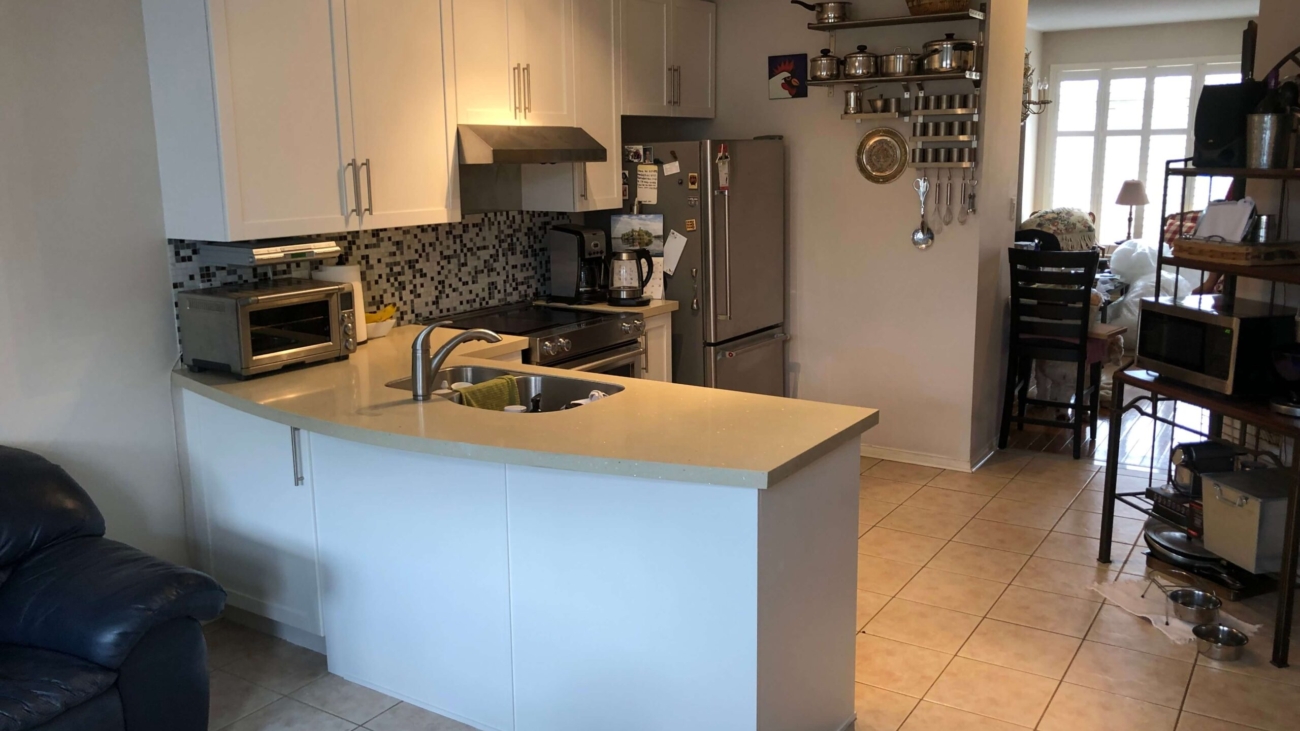
 

Kitchen cabinet refinishing cost Toronto before and after transformation

Kitchen Cabinet Refinishing Cost in Toronto: 2025 Price Breakdown & ROI Guide

Thinking about updating your kitchen but worried about the cost? You’re not alone. Kitchen cabinet refinishing cost Toronto homeowners face can vary significantly, but understanding the pricing breakdown helps you make informed decisions that save thousands while transforming your space.

Kitchen renovations rank among the most expensive home improvement projects, with full cabinet replacement often exceeding $20,000. However, refinishing your existing cabinets offers a cost-effective alternative that delivers stunning results at a fraction of the price. This comprehensive guide breaks down everything you need to know about cabinet refinishing costs in Toronto, helping you budget smartly and maximize your investment.

Whether you’re preparing to sell your home or simply want to refresh your kitchen’s appearance, understanding the true cost of cabinet refinishing versus replacement makes all the difference. Let’s explore the pricing factors, compare your options, and discover how much you can realistically expect to invest in your kitchen transformation.

Average Kitchen Cabinet Refinishing Cost Toronto Homeowners Pay in 2025

Toronto homeowners typically invest between $3,000 and $8,500 for professional kitchen cabinet refinishing, depending on kitchen size, cabinet material, and finish quality. This price range covers labor, materials, and professional application techniques that ensure long-lasting results.

For a standard 10-foot by 10-foot kitchen with approximately 20 cabinet doors and drawer fronts, expect to pay around $4,500 to $6,000. Larger kitchens with 30 or more cabinet pieces can reach $7,500 to $8,500. These estimates include preparation work, primer application, multiple paint coats, and protective topcoat finishes that ensure durability.

The investment varies based on several critical factors. Cabinet material significantly impacts pricing, with wood cabinets generally costing less to refinish than laminate surfaces, which require specialized primers and bonding agents. Your chosen finish also affects the final cost, premium options like custom color matching or specialty glazing techniques adding approximately $500 to $1,500 to the base price.

Price Breakdown by Kitchen Size

Kitchen Size Cabinet Pieces Average Cost Range Timeline
Small (8×10 ft) 15-18 pieces $3,000 – $4,500 5-7 days
Medium (10×12 ft) 20-25 pieces $4,500 – $6,500 7-9 days
Large (12×15 ft) 28-35 pieces $6,500 – $8,500 9-12 days
Extra Large (15+ ft) 36+ pieces $8,500 – $12,000 12-15 days

What Factors Influence Your Kitchen Cabinet Refinishing Cost Toronto Projects

Understanding the variables that impact pricing helps you anticipate costs accurately and make choices aligned with your budget. Several key factors determine your final investment in cabinet refinishing services.

Cabinet Material and Condition

Wood cabinets made from oak, maple, or cherry typically cost less to refinish because they accept paint and stain readily. Laminate and thermofoil cabinets require specialized preparation, including deglossing and bonding primers, which adds approximately $300 to $800 to your project cost. Cabinets with significant damage, water stains, or structural issues may need repair work before refinishing, increasing costs by $200 to $600.

Finish Selection and Customization

Standard paint colors using quality products fall within the typical price range. However, custom color matching, two-tone finishes, or specialty techniques like distressing or glazing add complexity and cost. Custom finishes typically increase your investment by 15% to 25% above standard pricing. Premium paint products with enhanced durability and easier maintenance may cost more upfront but offer better long-term value.

Hardware Replacement and Upgrades

While not included in basic refinishing costs, hardware replacement significantly impacts your final budget. New hinges, handles, and drawer pulls range from $3 to $15 per piece, with premium options reaching $25 or more. For a medium-sized kitchen requiring 40 hardware pieces, budget an additional $200 to $600 for this upgrade that dramatically enhances your cabinets’ overall appearance.

Toronto Market Factors

Toronto’s competitive home renovation market influences pricing. Downtown Toronto and premium neighborhoods like Rosedale or Forest Hill may see slightly higher rates due to travel time, parking costs, and regional demand. Suburban areas like Scarborough, Etobicoke, or North York often offer more competitive pricing while maintaining quality service standards.

Kitchen Cabinet Refinishing Cost Toronto vs. Replacement: The Real Comparison

Many Toronto homeowners wrestle with the refinish-versus-replace decision. Understanding the true cost difference helps you choose the option that maximizes value while achieving your desired aesthetic results.

Quick Cost Comparison: Cabinet refinishing typically costs 60-75% less than full replacement, with average savings ranging from $8,000 to $15,000 for medium-sized kitchens.

Complete Cost Breakdown Comparison

Project Aspect Refinishing Cost Replacement Cost Your Savings
Cabinet boxes $0 (existing) $8,000 – $15,000 $8,000+
Doors & drawer fronts Included in refinishing $3,000 – $6,000 $3,000+
Labor & installation $2,500 – $5,000 $4,000 – $8,000 $1,500+
Hardware $200 – $600 (optional) $400 – $1,200 $200+
Disposal & cleanup Minimal $500 – $1,000 $500+
Total Investment $3,000 – $8,500 $15,000 – $30,000+ $12,000+

When Refinishing Makes the Most Financial Sense

Cabinet refinishing delivers exceptional value when your existing cabinets remain structurally sound, feature quality construction, and simply need aesthetic updating. Solid wood cabinets from the 1990s and 2000s often boast superior construction compared to modern budget replacements, making refinishing the smarter investment.

Homeowners planning to sell within three to five years particularly benefit from refinishing’s lower cost-to-impact ratio. Real estate professionals consistently report that updated kitchen cabinets significantly boost home appeal without the extended timeline and disruption of full replacement projects.

Refinishing Advantages

  • Saves $10,000+ compared to replacement
  • Completed in 5-10 days vs. 4-8 weeks
  • Maintains existing cabinet layout
  • Eco-friendly waste reduction
  • Minimal kitchen disruption
  • Keeps quality existing construction

Refinishing Limitations

  • Cannot change cabinet configuration
  • Won’t fix structural damage
  • Limited style transformation options
  • Door style remains unchanged
  • Interior typically stays original

Professional Kitchen Cabinet Refinishing Cost Toronto Services vs. DIY Investment

The DIY approach tempts budget-conscious homeowners, but understanding the true time investment, required skills, and potential pitfalls helps you make informed decisions about professional versus self-completed refinishing projects.

Hidden Costs of DIY Cabinet Refinishing

DIY cabinet refinishing initially appears budget-friendly, with materials costing $500 to $1,200 for a medium-sized kitchen. However, this estimate doesn’t account for specialized tools, multiple product attempts if initial results disappoint, or the 40-60 hours of labor required for quality results.

Toronto homeowners attempting DIY refinishing often underestimate the complexity involved. Professional-grade results require proper surface preparation, appropriate product selection, optimal application techniques, and controlled drying environments. Mistakes like visible brush strokes, uneven coverage, drips, or premature wear often necessitate professional correction, ultimately costing more than hiring experts initially.

Professional Service Value Proposition

Professional cabinet refinishing services bring expertise, efficiency, and guaranteed results that DIY approaches struggle to match. Experienced technicians complete projects in one-third the time homeowners require, using commercial-grade products unavailable to consumers and application techniques developed through years of practice.

Paint2Decor’s on-site refinishing service eliminates the need for cabinet removal, reducing project disruption while maintaining kitchen accessibility throughout the process. This approach saves the $800 to $1,500 workshop rental fees some refinishing companies charge, while our professionals work efficiently around your schedule.

Professional Advantage: Our refined process, developed through hundreds of Toronto kitchen projects, ensures consistent, durable results that stand up to daily kitchen use for years. We’re so confident in our work that we offer comprehensive warranties protecting your investment.

Maximizing Your Return on Investment for Cabinet Refinishing

Strategic planning transforms cabinet refinishing from a simple cosmetic update into a value-maximizing investment. Understanding which choices deliver the strongest returns helps you allocate your budget effectively while achieving stunning results.

Color Choices That Boost Home Value

Neutral colors like white, soft gray, and warm beige appeal to the broadest audience and consistently deliver strong returns. Toronto’s real estate market particularly favors crisp white cabinets paired with modern hardware, offering timeless appeal that resonates with buyers across demographics. Bold colors like navy or forest green create stunning showpiece kitchens but may limit appeal when selling.

Strategic Timing Considerations

Planning your cabinet refinishing project during Toronto’s slower renovation seasons, typically November through March, often yields better scheduling flexibility and occasionally more competitive pricing. However, quality contractors maintain consistent rates year-round, prioritizing value over seasonal discounts that might compromise service quality.

Homeowners selling within six months should prioritize refinishing early in their preparation process. Fresh cabinets significantly enhance listing photos, improve showing impressions, and justify higher asking prices. The return on investment for kitchen updates consistently ranks among home improvement’s highest performers.

Complementary Updates That Multiply Impact

Pairing cabinet refinishing with strategic additional updates multiplies your kitchen’s transformation while maintaining budget consciousness. New hardware typically costs $200 to $600 but dramatically enhances cabinet appearance. Updated lighting fixtures, modern faucets, and fresh backsplash installations create cohesive design stories that elevate your entire kitchen aesthetic.

Hidden Costs to Consider in Your Kitchen Cabinet Refinishing Budget

Transparent budgeting requires understanding potential additional expenses beyond base refinishing costs. Being aware of these factors prevents surprise charges and helps you plan comprehensively for your project investment.

Preparation and Repair Work

Cabinets requiring significant repair work before refinishing incur additional charges. Water damage repair, veneer replacement, or structural reinforcement typically adds $200 to $800 depending on extent and complexity. Honest contractors assess these needs during initial consultations, providing clear estimates that include necessary preparation work.

Additional Services and Upgrades

While base refinishing covers cabinet exterior painting, additional services enhance results and durability. Interior cabinet painting adds approximately $400 to $1,200 depending on kitchen size. Crown molding installation, cabinet toe-kick replacement, or decorative glazing techniques represent optional upgrades that enhance aesthetics while increasing investment.

Kitchen Setup and Protection

Professional refinishing services include workspace protection, but complete kitchen renovations might require temporary kitchen setup elsewhere in your home. Budget approximately $100 to $300 for plastic sheeting, drop cloths, and protective materials if tackling related projects simultaneously. Most refinishing projects maintain partial kitchen functionality throughout, minimizing disruption and additional costs.

How to Get Accurate Kitchen Cabinet Refinishing Cost Toronto Quotes

Securing accurate, comprehensive quotes ensures you compare services fairly and avoid unexpected charges. Understanding what quality estimates should include helps you evaluate contractor professionalism and project scope comprehensively.

Essential Quote Components

Professional estimates should detail cabinet count, square footage calculations, material specifications, labor breakdown, timeline expectations, and warranty information. Vague quotes lacking specific details often indicate inexperienced contractors or intentionally low initial estimates that increase through hidden charges later.

Request quotes from at least three reputable Toronto refinishing contractors. Compare not just pricing but also included services, product quality, timeline commitments, and warranty coverage. The lowest bid rarely represents the best value when considering long-term durability and satisfaction.

Questions to Ask During Consultations

Prepare specific questions addressing your concerns and project requirements. Ask about surface preparation methods, paint product brands and grades, application techniques, drying time between coats, and what’s included versus considered optional upgrades. Professional contractors welcome detailed questions, viewing them as signs of informed, serious clients.

Red Flags in Refinishing Estimates

Extremely low quotes often signal quality compromises in materials, rushed application, or insufficient preparation work. Contractors unwilling to provide written estimates, detailed material lists, or clear timeline commitments raise concerning questions about professionalism and accountability. Trust your instincts when evaluating contractors, prioritizing transparent communication and proven expertise over lowest pricing.

Ready to Transform Your Kitchen?

Get your detailed, no-obligation quote within 24 hours. Our expert team provides transparent pricing, quality guarantees, and stunning results that Toronto homeowners trust.

Request Your Free Estimate Today

Frequently Asked Questions About Kitchen Cabinet Refinishing Cost Toronto

How much does it cost to refinish kitchen cabinets in Toronto?

Kitchen cabinet refinishing in Toronto typically ranges from $3,000 to $8,500 for complete professional service, depending on kitchen size, cabinet material, and finish selection. A standard medium-sized kitchen with 20-25 cabinet pieces averages $4,500 to $6,500, delivering dramatic transformation at 60-75% less than replacement costs.

Is refinishing kitchen cabinets worth the investment?

Yes, cabinet refinishing delivers exceptional value when existing cabinets remain structurally sound. You’ll save $10,000 to $15,000 compared to replacement while achieving comparable aesthetic results. Refinishing also maintains kitchen functionality throughout the project, typically completing within 5-10 days versus 4-8 weeks for replacement.

How long does professionally refinished cabinet finish last?

Professional cabinet refinishing using quality products and proper techniques lasts 8-12 years with normal use and proper care. This longevity matches or exceeds many budget cabinet replacements, making refinishing a smart long-term investment. Regular cleaning with gentle products and avoiding harsh chemicals extends finish durability further.

What’s included in professional cabinet refinishing costs?

Professional refinishing costs typically include surface preparation, degreasing and cleaning, sanding or deglossing, primer application, multiple paint coats, protective topcoat, hardware removal and reinstallation, and workspace cleanup. Quality contractors provide detailed quotes specifying exactly what’s included versus optional upgrades.

Can I finance my kitchen cabinet refinishing project?

Many Toronto homeowners use home equity lines of credit, personal loans, or credit cards to finance cabinet refinishing. Some refinishing companies offer payment plans or work with financing partners. Given the relatively modest investment compared to full renovations, many homeowners comfortably pay for refinishing through regular savings or modest financing options.

Start Your Kitchen Transformation with Confidence

Understanding kitchen cabinet refinishing cost Toronto pricing empowers you to make informed decisions that balance budget constraints with quality expectations. Whether you’re preparing your home for sale or simply refreshing your living space, cabinet refinishing delivers dramatic transformation at a fraction of replacement costs.

The key to successful cabinet refinishing lies in partnering with experienced professionals who prioritize quality, transparency, and customer satisfaction. Paint2Decor’s award-winning team brings expertise developed through hundreds of Toronto kitchen transformations, ensuring your investment delivers lasting beauty and value.

Don’t let outdated cabinets hold your kitchen back any longer. With clear understanding of costs, options, and processes, you’re ready to take the next step toward the kitchen you’ve always wanted. Our team stands ready to answer questions, provide detailed estimates, and transform your vision into reality.

Contact Paint2Decor today for your free, detailed consultation. Discover exactly what your kitchen transformation will cost, explore color options perfect for your space, and learn why Toronto homeowners consistently choose our refinishing services. Your dream kitchen awaits, and it’s more affordable than you think.